
Jamal Lewis Biography Quotes 15 Report mistakes
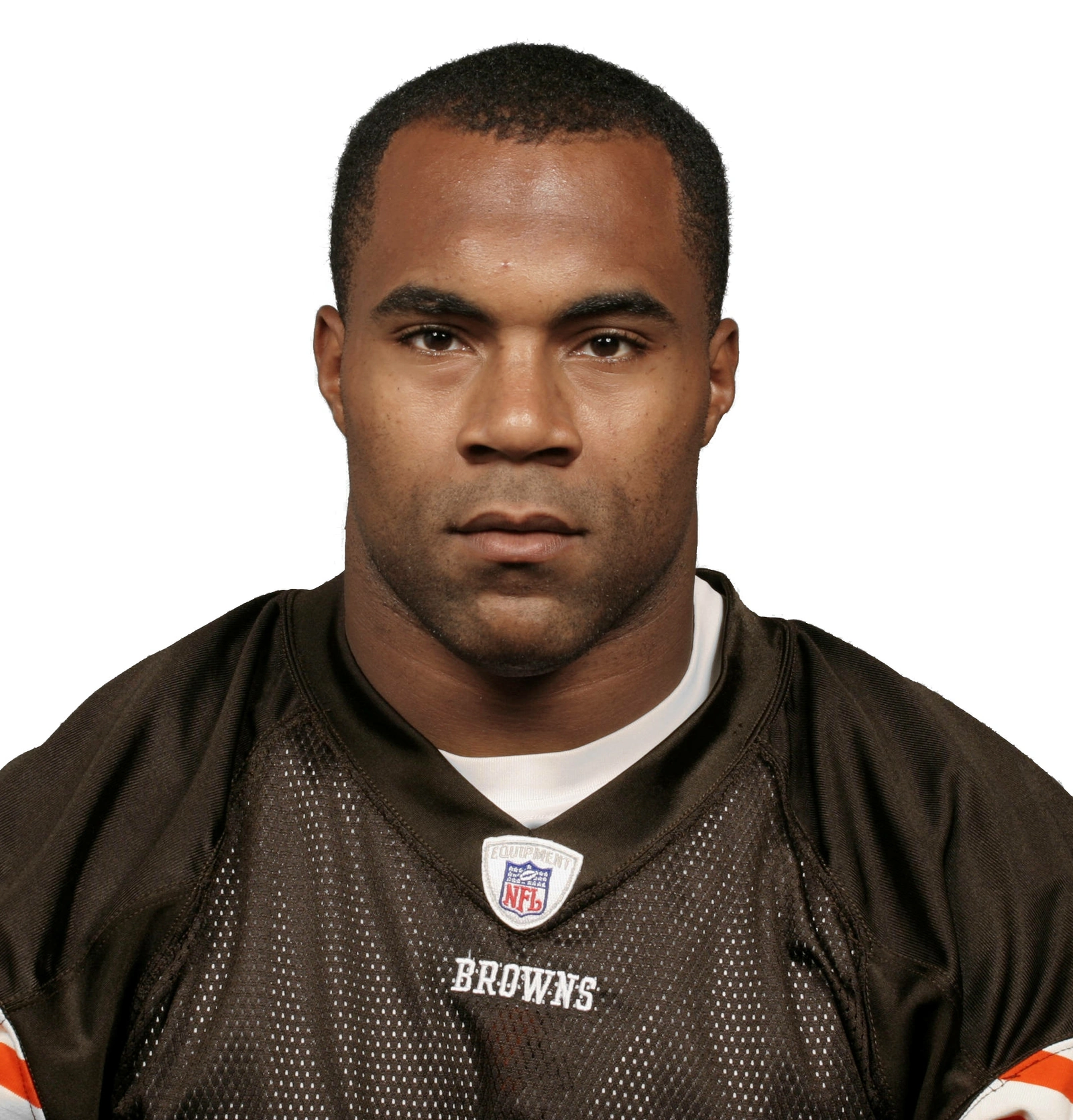
| 15 Quotes | |
| Born as | Jamal Lafitte Lewis |
| Occup. | Athlete |
| From | USA |
| Born | August 26, 1979 Atlanta, Georgia, U.S. |
| Age | 46 years |
| Cite | |
Citation Formats
APA Style (7th ed.)
Jamal lewis biography, facts and quotes. (2026, February 11). FixQuotes. https://fixquotes.com/authors/jamal-lewis/
Chicago Style
"Jamal Lewis biography, facts and quotes." FixQuotes. February 11, 2026. https://fixquotes.com/authors/jamal-lewis/.
MLA Style (9th ed.)
"Jamal Lewis biography, facts and quotes." FixQuotes, 11 Feb. 2026, https://fixquotes.com/authors/jamal-lewis/. Accessed 12 Feb. 2026.
Early Life
Jamal Lafitte Lewis was born on August 26, 1979, in Atlanta, Georgia, and grew up in a community where football was a central part of daily life. A powerful runner from an early age, he developed the blend of speed, balance, and strength that would define his career. At Frederick Douglass High School in Atlanta he became one of the nation's top high school running backs, earning attention from major college programs. Family guidance and the support of influential coaches at the prep level helped steer him toward a path of discipline and opportunity, setting the stage for his emergence on the national scene.College Career at Tennessee
Lewis chose the University of Tennessee, playing under head coach Phillip Fulmer in an era when the Volunteers were among the strongest programs in the country. As a true freshman in 1997 he made an immediate impact, sharing the backfield spotlight with future NFL talent and benefitting from a veteran locker room that included leaders on both sides of the ball. His sophomore season in 1998 was derailed by a significant knee injury, but the team, led by quarterback Tee Martin and a deep, disciplined roster, captured the national championship. Lewis returned to action with determination, showing the resilience that would become a trait of his professional career and putting enough on film to establish himself as a first-round NFL prospect.Entering the NFL with the Baltimore Ravens
In the 2000 NFL Draft, general manager Ozzie Newsome and the Baltimore Ravens selected Lewis fifth overall, entrusting him to energize an offense that complemented one of the most formidable defenses in league history. Under head coach Brian Billick, and running behind an offensive line anchored by Hall of Famer Jonathan Ogden, Lewis quickly became a focal point. As a rookie he helped power the Ravens to a championship in Super Bowl XXXV, teaming with quarterback Trent Dilfer and veterans like Shannon Sharpe on offense while the defense, led by Ray Lewis, Rod Woodson, and Tony Siragusa, stifled opponents. Jamal Lewis's physical style fit the identity of the franchise, and his postseason production made him a central figure in Baltimore's first title run.Setback and Resurgence
The momentum of his rookie success was halted by a major knee injury in the 2001 preseason, costing him the entire year. The rehabilitation required patience and discipline, but he returned to the field in 2002 and again established himself among the league's premier power backs. His running style, decisive through the hole, punishing at the second level, and relentless late in games, restored the Ravens' ball-control approach and set the stage for one of the most memorable rushing seasons in NFL history.The Historic 2003 Season
In 2003, behind an offensive line shaped by Jonathan Ogden and a staff committed to the ground game, Lewis rushed for 2, 066 yards, at the time the second-highest single-season total in NFL history. That year included a single-game rushing record performance of 295 yards against the Cleveland Browns, a mark that stood at the top of the record book for several years. His dominance was recognized with NFL Offensive Player of the Year honors, and he earned Pro Bowl and All-Pro recognition. The run-first identity of the Ravens, supported by a defense still anchored by Ray Lewis, gave Jamal Lewis the platform to define an era of Baltimore football.Legal Challenges and Continuity
Off the field, Lewis faced legal trouble stemming from conduct in 2000. He later pleaded guilty in 2004 to using a cell phone to attempt to arrange a drug transaction, and he served a brief federal sentence in 2005. The episode was a significant personal and professional challenge, prompting scrutiny and league discipline, yet he continued to contribute on the field. Coaches, teammates, and the organization's leadership kept football structure around him during that period, and he remained a productive starter for Baltimore.Later Years in Baltimore
Following his historic peak, Lewis's production fluctuated with injuries, offensive changes, and the rigors of a heavy workload. Even so, he remained the centerpiece of Baltimore's rushing attack through the mid-2000s, carving out additional 1, 000-yard seasons and mentoring younger players. His reputation as a tough, straight-ahead runner who wore down defenses became his signature, and he left Baltimore with a legacy defined by record-breaking performances and a Super Bowl ring.Cleveland Browns Tenure
Lewis signed with the Cleveland Browns in 2007, where he immediately became a stabilizing force for a rising offense. With a line that included standout rookie Joe Thomas and guard Eric Steinbach, and alongside skill players such as quarterback Derek Anderson and receiver Braylon Edwards, he helped the Browns produce one of their most competitive seasons in years. He remained in Cleveland through 2009, providing veteran leadership and a physical tone for the offense while managing the accumulated wear of a demanding career.Retirement and Post-Football Life
After the 2009 season, Lewis stepped away from the field. Like many athletes transitioning from the NFL, he explored business ventures and investments, experiencing both successes and setbacks. Public filings indicated financial difficulties that culminated in a bankruptcy case, highlighting the complexities of post-career planning even for high-profile players. He also spoke about the physical aftermath of a power-running career, adding his voice to broader conversations about player health and long-term well-being. His connection to the communities where he played remained visible through appearances and outreach, and he has been recognized by the Ravens organization for his contributions to the franchise's identity.Legacy
Jamal Lewis belongs to the exclusive fraternity of 2, 000-yard rushers, a group that underscores the rarity and difficulty of sustaining dominance across an entire NFL season. His 2003 campaign remains one of the benchmark performances in league history, and his role in the Ravens' first championship season cemented him as a foundational figure in Baltimore sports. The people around him, Phillip Fulmer at Tennessee, Ozzie Newsome and Brian Billick in Baltimore, teammates such as Ray Lewis, Jonathan Ogden, Shannon Sharpe, Trent Dilfer, and later Joe Thomas and Derek Anderson in Cleveland, formed the network that shaped his journey. Defined by power, resilience, and a capacity to rise after setbacks, Jamal Lafitte Lewis left a blueprint for the modern workhorse running back and a legacy that endures with fans of both the Volunteers and the NFL.Our collection contains 15 quotes written by Jamal, under the main topics: Wisdom - Sports - Training & Practice - Romantic - Teamwork.
Source / external links