
James De La Vega Biography Quotes 10 Report mistakes
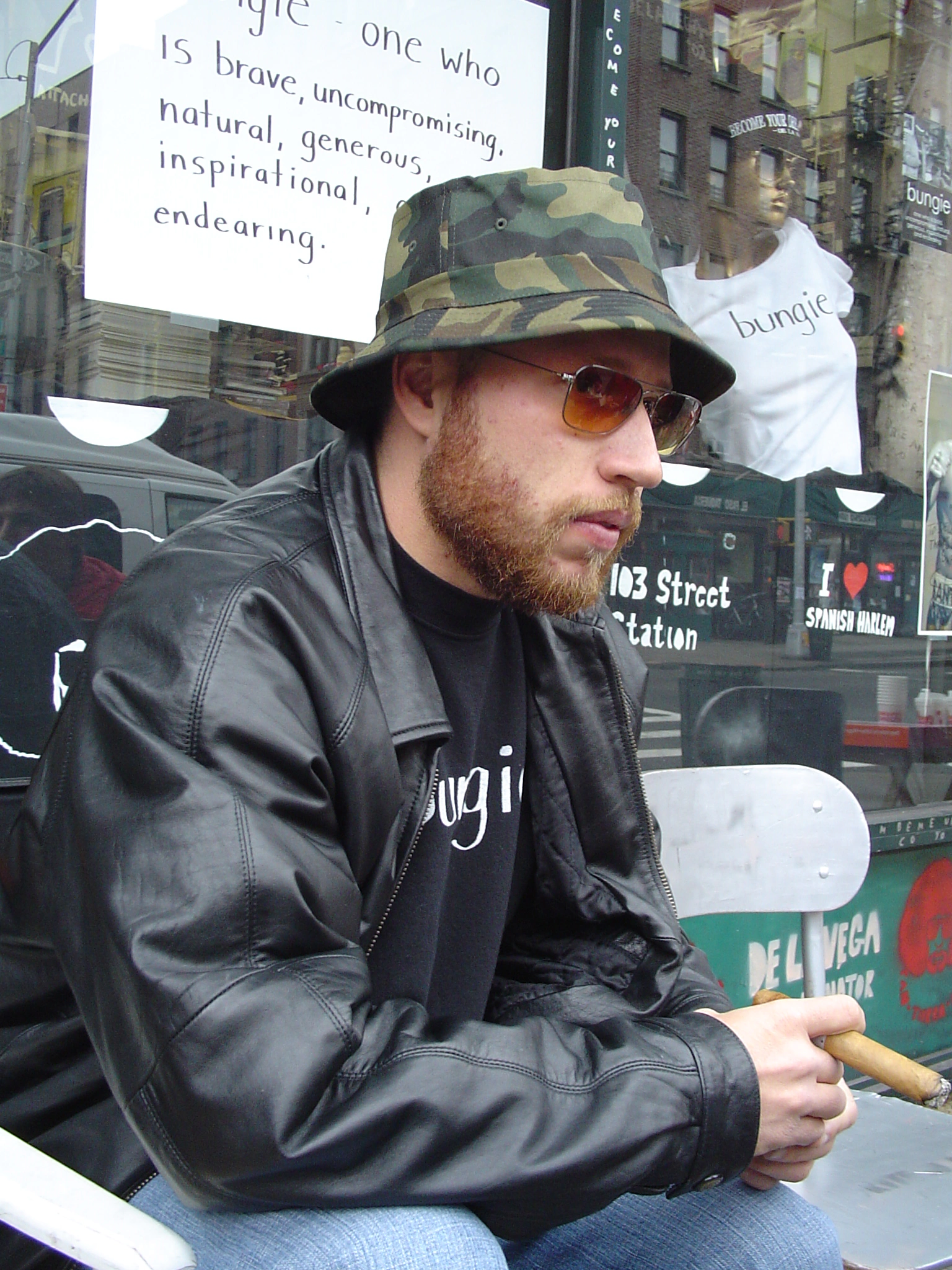
Attr: Gustavo Morales, CC BY-SA 3.0
| 10 Quotes | |
| Occup. | Artist |
| From | USA |
| Born | 1972 New York City, New York, USA |
| Cite | |
Citation Formats
APA Style (7th ed.)
James de la vega biography, facts and quotes. (2026, February 11). FixQuotes. https://fixquotes.com/authors/james-de-la-vega/
Chicago Style
"James De La Vega biography, facts and quotes." FixQuotes. February 11, 2026. https://fixquotes.com/authors/james-de-la-vega/.
MLA Style (9th ed.)
"James De La Vega biography, facts and quotes." FixQuotes, 11 Feb. 2026, https://fixquotes.com/authors/james-de-la-vega/. Accessed 7 Mar. 2026.
Early Life and Background
James De La Vega was born around 1972 in the United States and came of age in New York City at a moment when street-level culture was being rewritten in public. He became closely associated with Spanish Harlem and the broader uptown geography where murals, handstyles, and spoken-word bravado mixed with the daily arithmetic of rent, policing, and neighborhood pride. His work would later read as both love letter and field report: faces and slogans laid onto walls as if the city itself were a notebook.The emotional weather of his early life was shaped by proximity to both community warmth and urban precarity. For De La Vega, the block was not a backdrop but a collaborator - elders, storefronts, kids on stoops, corner rhythms. That sense of belonging carried an ache: the fear that gentrification, poverty, and indifference could erase local stories. The desire to leave marks that looked back at the neighborhood helped form his identity before any gallery or publication did.
Education and Formative Influences
De La Vega developed in the long shadow of New York graffiti, the rise of hip-hop, and the citys late-20th-century cycles of disinvestment and renewal; his influences were as much social as aesthetic. The visual grammar available to him included subway-era legends, community murals, and downtown art-world myths, but he filtered them through an uptown sensibility: portraiture as civic recognition, slogans as survival tools, and humor as a way to deflate despair. Early practice centered on drawing and painting, then moved outward into public space, where audience arrived uninvited and critique was immediate.Career, Major Works, and Turning Points
De La Vegas reputation grew through his street presence - quick, legible works that combined cartooning, portraiture, and aphorism, often placed where everyday pedestrians, not art tourists, were the primary viewers. He became known for creating images and text that turned walls into conversations, aligning his practice with community memory in Spanish Harlem while also circulating through the wider New York street-art ecosystem that flourished alongside and after graffiti. Over time, he also produced work for broader audiences - paintings, prints, and media appearances - but the core turning point was his decision to treat the city as both studio and stage, accepting the risks of ephemerality, arrest, and erasure as part of the medium.Philosophy, Style, and Themes
De La Vega framed art less as self-expression than as self-instruction - a way of keeping faith with an inner calling amid noise and scarcity. His most quoted imperatives read like notes to a younger self and to anyone trying to stay intact in New York: “Become your dream”. The line is deceptively simple; psychologically it signals an ethic of identity as practice, not possession, and it explains why his public works often feel like coaching shouted across the street - urgent, direct, built for someone who cannot afford abstraction.That urgency also reveals a complicated tenderness: ambition tempered by empathy for people getting pushed off course. He warned about the citys grinding pressure without romanticizing it, insisting that perseverance is a moral act when conditions are designed to scatter attention and dull hope: “The pressure of survival in the big city will make you lose sight of your dream... Hang in there”. At the same time, he resisted the idea of art as private property, preferring exchange over prestige: “I like the idea of the artist going out in the world, creating a dialogue”. Stylistically this appears in his punchy text, recognizable figures, and approachable wit - a rhetoric meant to be read at walking speed - and thematically in his focus on pride, struggle, and the right of a neighborhood to see itself reflected with dignity.
Legacy and Influence
De La Vega endures as a bridge figure between graffiti-era public authorship and a later street-art scene that often drifted toward branding; his work insisted on accountability to place. In Spanish Harlem especially, he helped model a form of visual storytelling that treats community as subject rather than scenery, using portraits and street-level aphorisms to keep local identity visible amid constant churn. His influence lives in artists who choose the sidewalk as their first audience, who see dialogue as the point, and who use art not to escape the city but to answer it.Our collection contains 10 quotes written by James, under the main topics: Motivational - Art - Never Give Up - Deep - Live in the Moment.
Source / external links