
James Huneker Biography Quotes 5 Report mistakes
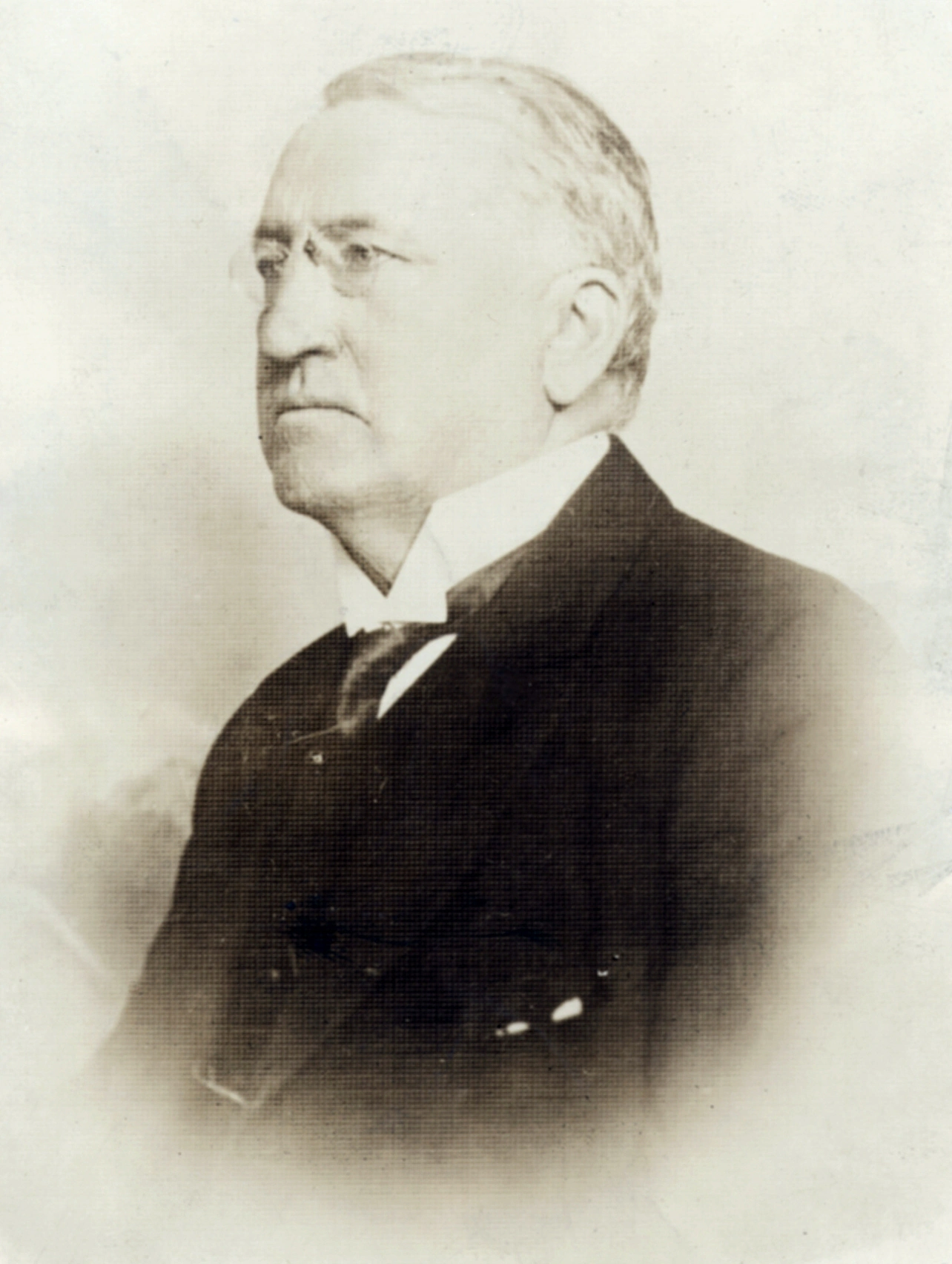
| 5 Quotes | |
| Born as | James Gibbons Huneker |
| Occup. | Writer |
| From | USA |
| Born | January 31, 1857 Philadelphia, Pennsylvania, United States |
| Died | February 9, 1921 |
| Aged | 64 years |
| Cite | |
Citation Formats
APA Style (7th ed.)
James huneker biography, facts and quotes. (2026, March 2). FixQuotes. https://fixquotes.com/authors/james-huneker/
Chicago Style
"James Huneker biography, facts and quotes." FixQuotes. March 2, 2026. https://fixquotes.com/authors/james-huneker/.
MLA Style (9th ed.)
"James Huneker biography, facts and quotes." FixQuotes, 2 Mar. 2026, https://fixquotes.com/authors/james-huneker/. Accessed 5 Mar. 2026.
Early Life and Background
James Gibbons Huneker was born on January 31, 1857, in Philadelphia, Pennsylvania, into a Catholic, Irish-American milieu that prized respectability yet lived close to the noise of the modern city. Philadelphia after the Civil War was a place of workshops, printing houses, concert rooms, and crowded streets where immigrant energy met a growing middle-class hunger for culture. Huneker grew up during the decades when the United States was beginning to measure itself against Europe not only in industry but in art, and he early absorbed the sense that taste could be a kind of destiny.He was temperamentally drawn to intensity rather than consensus: friends later remembered a man of nervous quickness, appetite for talk, and a contrarian streak that would become his professional signature. The urban mix of parlor music, theater, newspapers, and the first wave of American cosmopolitanism helped form his identity as a critic who wanted culture to feel immediate, sensuous, and risky. The inner tension that marked him - craving both discipline and stimulation - would animate his writing life, which often read like an argument between a moral upbringing and a bohemian curiosity.
Education and Formative Influences
Huneker studied music seriously rather than taking a conventional academic path, training as a pianist and immersing himself in the repertoire that American conservatories still treated as imported scripture. A turning point came with time in Paris in the late 1870s, where he sought advanced study and encountered a European artistic climate less guarded than American propriety; the citys concert life, literary cafes, and avant-garde talk fed his conviction that criticism should be a form of lived experience, not merely verdict. He returned to the United States with a musicians ear, a continental orientation, and a sharpened sense that modern art required new language.Career, Major Works, and Turning Points
Settling in New York, Huneker became one of the eras most recognizable cultural journalists, writing on music, theater, literature, and painting for major periodicals and helping build an American audience for figures then considered difficult or scandalous. He championed Chopin and Liszt with a performers intimacy, wrote with early American seriousness about Ibsen, Strindberg, and the new European stage, and treated emerging modernists with curiosity rather than alarm. His books gathered and refined this work: "Chopin: The Man and His Music" (1900) blended biography with interpretive listening; "Iconoclasts" (1905) brought Nietzsche, Wagner, and others into an American critical vocabulary; "The Pathos of Distance" (1913) and later collections consolidated his persona as a witty, erudite, sometimes combative mediator between Old World experiment and New World aspiration. The larger turning point was cultural: he wrote during the passage from Gilded Age optimism to the anxieties of the First World War, and his criticism became a running record of how modernity changed the nerves of art.Philosophy, Style, and Themes
Huneker believed great art defeats time by intensifying it, and his best pages try to pin sensation to the page without reducing it to doctrine. “Great art is an instant arrested in eternity”. That line doubles as self-portrait: his criticism is built from moments - a cadence, a stage gesture, a paragraph of prose - seized with a musicians timing and then translated into a rhetoric of electric adjectives, quick analogies, and moral risk. He resisted the tidy uplift that American reviews often demanded; instead he wrote as if taste were a form of character, revealed under pressure.His psychology surfaces in the way he treats artists as paradoxes - adult technique powered by childish need, discipline masking play. “Scratch an artist and you surprise a child”. The remark clarifies Hunekers recurring theme: the creator is never fully civilized, and that is the source of invention. At the same time, he distrusted grand narratives of progress and exposed the hollowness beneath fashionable certainties; his urban irony could turn metaphysical. “Life is like an onion: you peel off layer after layer and then you find there is nothing in it”. In Hunekers hands that bleakness is not surrender but stimulus: if life has no core, art becomes the crafted intensity that makes living bearable - and criticism, when honest, becomes a record of that search.
Legacy and Influence
Huneker died on February 9, 1921, in New York City, having helped normalize the idea of the American critic as a public intellectual with European range and a personal voice. Later reviewers have faulted his extravagance and loved him for it: his prose modeled criticism as literature, and his advocacy helped widen American receptivity to modern drama, continental thought, and serious musical discussion outside conservatory walls. In an age when cultural authority was shifting from inherited standards to contested modern tastes, Huneker made judgment feel like an adventure, leaving behind a template for the cosmopolitan, high-voltage critic who writes not to certify art but to make it audible.Our collection contains 5 quotes written by James, under the main topics: Motivational - Wisdom - Art - Meaning of Life.
James Huneker Famous Works
- 1920 Painted Veils (Novel)
- 1915 New Cosmopolis (Book)
- 1905 Iconoclasts: A Book of Dramatists (Book)
- 1905 Visionaries (Short Stories)
- 1902 Melomaniacs (Short Stories)
- 1900 Chopin: the Man and His Music (Book)
Source / external links