
James Huneker Biography Quotes 5 Report mistakes
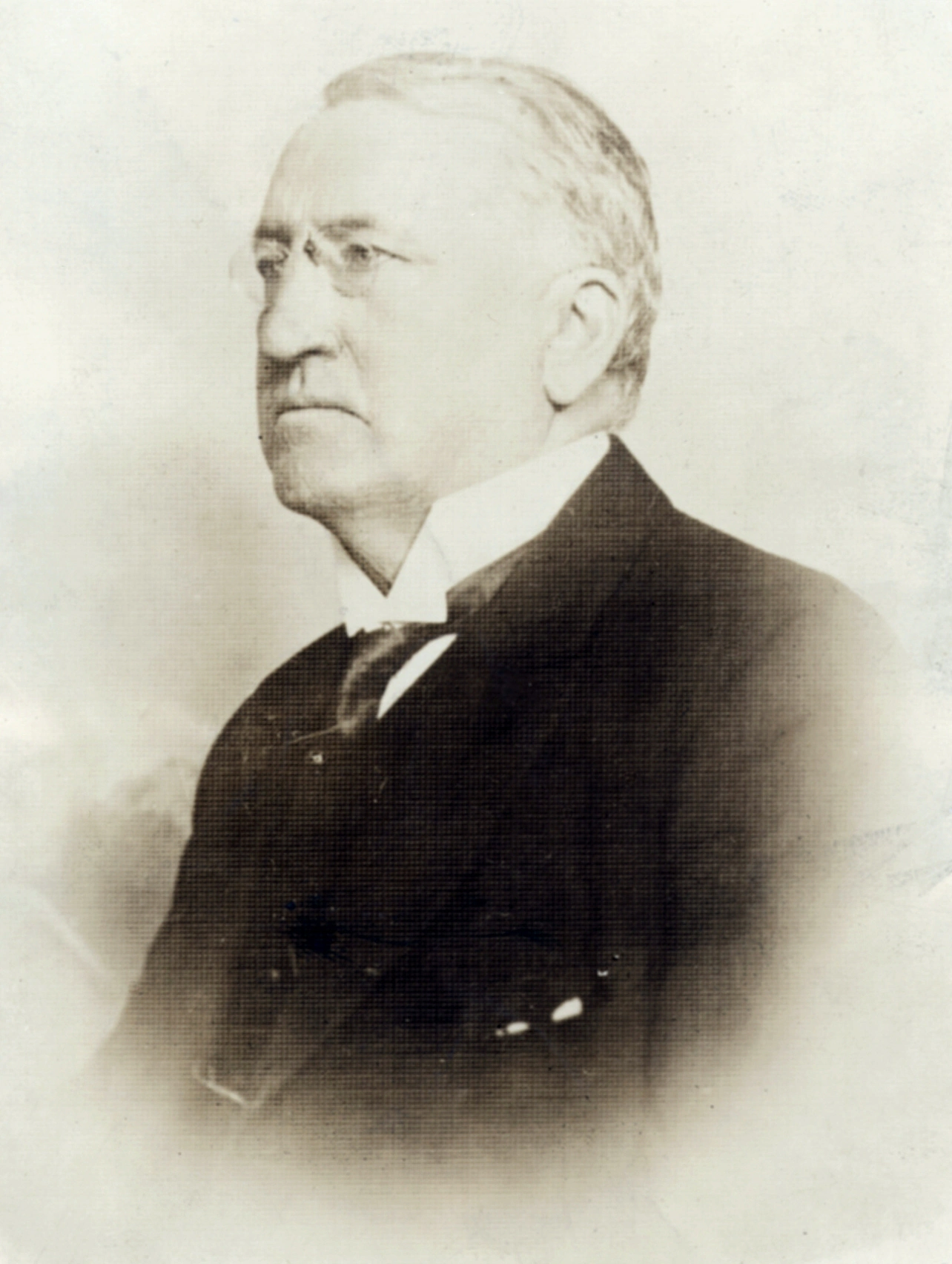
| 5 Quotes | |
| Born as | James Gibbons Huneker |
| Occup. | Writer |
| From | USA |
| Born | January 31, 1857 Philadelphia, Pennsylvania, United States |
| Died | February 9, 1921 |
| Aged | 64 years |
| Cite | |
Citation Formats
APA Style (7th ed.)
James huneker biography, facts and quotes. (2026, February 11). FixQuotes. https://fixquotes.com/authors/james-huneker/
Chicago Style
"James Huneker biography, facts and quotes." FixQuotes. February 11, 2026. https://fixquotes.com/authors/james-huneker/.
MLA Style (9th ed.)
"James Huneker biography, facts and quotes." FixQuotes, 11 Feb. 2026, https://fixquotes.com/authors/james-huneker/. Accessed 12 Feb. 2026.
Early Life and Education
James Gibbons Huneker was born on January 31, 1857, in Philadelphia, Pennsylvania. Raised in a city with strong musical and theatrical traditions, he gravitated early to the piano and to the cosmopolitan literature that was beginning to filter into American bookstores. As a young man he pursued serious musical training and, like many ambitious Americans of his generation, spent time in Europe to deepen his craft. Paris, then the magnetic pole for artists and writers, sharpened his ear and broadened his reading, and the experience gave him the fluent cultural range that later distinguished his criticism. Although he never became a concert star, the discipline and repertory he absorbed at the keyboard shaped his lifelong attention to form, style, and interpretation.From the Newsroom to the Critical Desk
Returning to the United States in the late nineteenth century, Huneker entered journalism. He wrote for newspapers in Philadelphia before settling in New York, where he eventually became one of the city's most recognizable voices on music, theater, literature, and the visual arts. His longest and most visible platform was in New York daily journalism, especially at the New York Sun, where his column became a thoroughfare for new ideas from Europe and for pungent appraisals of America's own stage and concert life. Huneker covered the rise of virtuoso pianism, music dramas by Wagner, and the shock of the new represented by Richard Strauss and Claude Debussy, writing with equal parts technical acuity and zest. He relished forceful personalities and contrarian viewpoints, and his pieces often moved from a concert hall in Manhattan to a literary controversy in Paris in a single graceful paragraph.Books, Subjects, and a Cosmopolitan Canon
Huneker reached a wider public through a stream of books that crossed genres. Chopin: The Man and His Music (1900) remains one of his most durable works, a blend of biography, analysis, and pianistic insight that introduced many English-language readers to Chopin's idiom with uncommon clarity. In Iconoclasts: A Book of Dramatists (1905), he championed modern theater and wrote incisively about Henrik Ibsen, August Strindberg, and George Bernard Shaw at a time when these writers still felt novel, even dangerous, to many American readers. Egoists: A Book of Supermen (1909) placed figures such as Stendhal and Friedrich Nietzsche into a bold critical narrative about will, style, and intellectual freedom, helping to naturalize continental debates for an American audience. He also published collections of stories and criticism, including Melomaniacs, Visionaries, The Pathos of Distance, Ivory, Apes, and Peacocks, and New Cosmopolis, books that mixed portraits, travel, aphorism, and cultural reportage. He wrote about painters and sculptors as avidly as he wrote about composers and novelists, often introducing names and movements, symbolism, impressionism, and their offshoots, that were just beginning to receive American hearings.Style, Method, and Temperament
Huneker's prose was quick, cosmopolitan, and aphoristic. He favored bright images and abrupt turns over solemn treatises, yet his wide reading and training lent rigor beneath the sparkle. He resisted provincialism and pleaded for a big-tent culture that would admit the audacities of Strauss alongside the subtleties of Debussy, the intensity of Dostoevsky alongside the refined art of Henry James. He assumed that readers could handle strong flavors and rewarded them with pungent summaries, short, epigrammatic verdicts, and sudden historical cross-references. At the keyboard he admired finesse and structural clarity, and in print he applied similar criteria to drama and fiction: tempo, architecture, psychological shading, the rhythm of a scene or paragraph.Circles, Colleagues, and Influence
In New York's overlapping worlds of newspapers, theaters, and concert halls, Huneker moved among editors, performers, impresarios, and fellow critics. He contributed essays and reviews to magazines as well as daily papers, and he was read by younger writers who were forming their own critical identities. H. L. Mencken, who became one of the most formidable American critics of the next generation, paid open tribute to Huneker's example and popularized the sobriquet "the dean of American critics" for him. George Jean Nathan, another leading critic of the era, operated in the same world of Manhattan letters and theater that Huneker helped to animate. The composers and writers Huneker advocated, Chopin as a touchstone of pianistic style, Wagner for drama and ambition, Richard Strauss for audacity, Claude Debussy for color and nuance, Ibsen and Strindberg for dramaturgical rigor, Shaw for wit and moral provocation, Nietzsche for his unsettling provocations, formed a constellation that defined the modern sensibility he wanted his readership to confront.Public Presence and Reception
Huneker did not write to placate. His columns could be combative, and his enthusiasms sometimes ran ahead of public taste. Yet the very friction generated heat and attention, and over time readers came to expect from him both guidance and surprise. He was as capable of revisiting the established classics as he was of championing the unfamiliar, and he resisted the easy postures of snobbery or boosterism. His reach, aided by newspapers with large circulations and books that found their way into libraries across the country, helped acclimate American audiences to European currents while also sharpening debates at home about what kind of culture the United States should cultivate.Later Years and Legacy
Huneker continued to publish through the 1910s, even as war disrupted the routes by which art and artists traveled between Europe and the United States. His late collections, rich in reminiscence and travel, preserved his wonder at cities, stages, galleries, and salons. He died in New York City on February 9, 1921. By then he had become a reference point, read for his judgments, his style, and his capacity to make demanding work feel urgent and alive. His Chopin study kept its place on musicians' shelves, and his literary and theatrical essays remained a record of how modernism first sounded to an American ear both skeptical and eager. The critics who followed, Mencken prominent among them, absorbed his lesson that criticism could be spirited, erudite, and utterly contemporary. Through that example, James Gibbons Huneker helped shape an American tradition of cultural journalism that refused to choose between pleasure and seriousness, between local obligations and global curiosity.Our collection contains 5 quotes written by James, under the main topics: Motivational - Wisdom - Art - Meaning of Life.
James Huneker Famous Works
- 1920 Painted Veils (Novel)
- 1915 New Cosmopolis (Book)
- 1905 Iconoclasts: A Book of Dramatists (Book)
- 1905 Visionaries (Short Stories)
- 1902 Melomaniacs (Short Stories)
- 1900 Chopin: the Man and His Music (Book)
Source / external links