
James L. Brooks Biography Quotes 16 Report mistakes
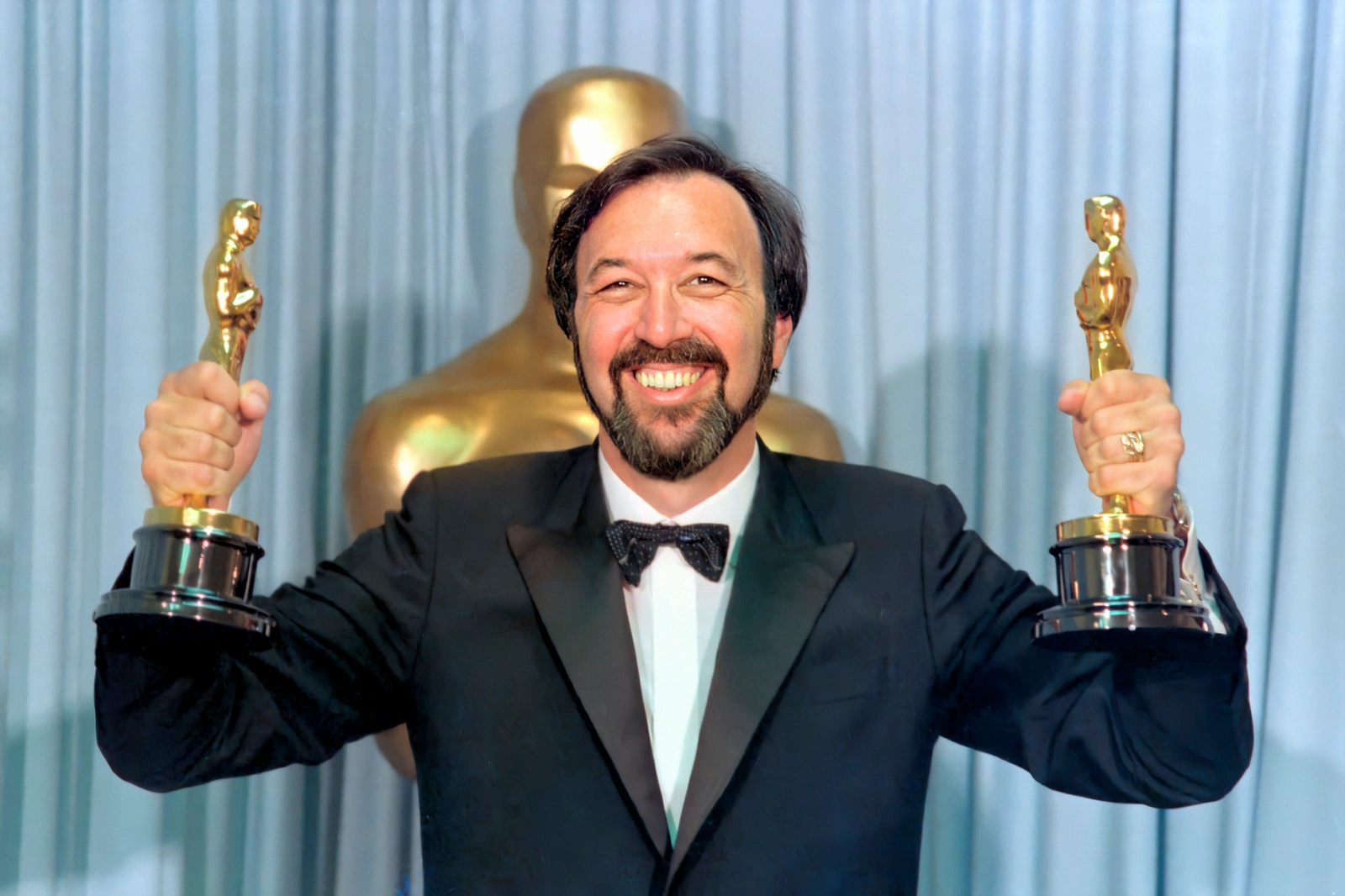
| 16 Quotes | |
| Born as | James Lawrence Brooks |
| Occup. | Producer |
| From | USA |
| Born | May 9, 1940 Brooklyn, New York, USA |
| Age | 85 years |
| Cite | |
Citation Formats
APA Style (7th ed.)
James l. brooks biography, facts and quotes. (2026, March 9). FixQuotes. https://fixquotes.com/authors/james-l-brooks/
Chicago Style
"James L. Brooks biography, facts and quotes." FixQuotes. March 9, 2026. https://fixquotes.com/authors/james-l-brooks/.
MLA Style (9th ed.)
"James L. Brooks biography, facts and quotes." FixQuotes, 9 Mar. 2026, https://fixquotes.com/authors/james-l-brooks/. Accessed 22 Mar. 2026.
Early Life and Background
James Lawrence Brooks was born on May 9, 1940, in Brooklyn, New York, into a Jewish working-class family whose instability and emotional weather would later feed his art. His father, Edward Brooks, worked as a salesman and died when James was very young; his mother, Mildred, was a gifted but difficult presence whose volatility left deep marks. Brooks grew up with an older sister, Dianne, in a household where affection, insecurity, and survival were tightly interwoven. That early mixture became one of his lifelong subjects: families that love imperfectly, people who wound each other while trying to connect, and comedy used not to escape pain but to make it speakable.
He was raised largely in Newark, New Jersey, and came of age in postwar America, when television was rapidly replacing radio as the national hearth and urban ethnic neighborhoods were beginning to disperse under suburban pressure. Brooks absorbed the rhythms of ordinary speech, the humiliations of status, and the small heroics of daily labor. Long before he became known for polished film dialogue and emotionally exact sitcoms, he had developed a reporter's eye for the tiny revealing moment - embarrassment at a dinner table, an interrupted confession, a joke that lands because it hides dread. His later work would return again and again to these origins, turning domestic unease and professional striving into a distinctly American tragicomedy.
Education and Formative Influences
Brooks attended Weequahic High School in Newark but was not an academic prodigy; the classroom mattered less than the instinct, already forming, to observe people under pressure. He briefly enrolled at New York University, then left and entered journalism, a decisive apprenticeship. As a copy boy and later writer at CBS News in New York, and then as a police reporter in New Jersey, he learned compression, pacing, and the discipline of finding human stakes inside institutional routine. That newsroom training shaped his mature method: scenes built around interruption, status shifts, and the collision between public performance and private feeling. Television in the late 1950s and early 1960s was also teaching him structure - how quickly character must be established, how dialogue can carry exposition invisibly, and how mass audiences respond to emotional truth when it arrives wrapped in wit.
Career, Major Works, and Turning Points
After moving to Los Angeles, Brooks began writing for television, contributing to series such as My Mother the Car before finding a more personal register on Room 222 in the late 1960s and early 1970s. His breakthrough came as creator of The Mary Tyler Moore Show, which redefined the sitcom by placing a single working woman at its center and surrounding her with colleagues rendered as comic types who kept revealing bruised inner lives. He followed it with Rhoda, Lou Grant, and Taxi, proving unusually adept at building shows that balanced ensemble comedy with loneliness, class friction, and moral ambiguity. In film, Brooks made a stunning directorial debut with Terms of Endearment (1983), which won Academy Awards and demonstrated that his television-honed sense of timing could coexist with melodrama of real force. Broadcast News (1987) became perhaps his signature film, anatomizing journalism, ambition, and erotic confusion with painful precision. Later films including I'll Do Anything, As Good as It Gets, Spanglish, and How Do You Know extended his interest in people whose intelligence does not spare them from emotional blindness. As a producer, he also exerted enormous cultural influence through Gracie Films, most famously by helping launch The Simpsons, whose satirical family chaos echoes his old fascination with love under stress.
Philosophy, Style, and Themes
Brooks's work is built on an unusual faith: that entertainment can be crowd-pleasing without becoming emotionally dishonest. He has said, “I think you have a pact with an audience in every picture, and I think the pact is to try and be truthful and to be real”. That sentence reveals both his ethics and his anxiety. Brooks distrusts glibness because he knows how easily performance can replace feeling; his best scenes therefore pivot on hesitation, misstatement, and self-betrayal. Characters in his films and series are often articulate professionals - anchors, producers, parents, novelists - who can explain everything except the one thing they most need to say. Comedy, in his hands, is not decorative. It is the pressure valve that allows grief, need, and shame to enter the frame without sentimentality.
That same openness shaped his process. Speaking of Broadcast News, he remarked, “I've done it with Broadcast News-where there was no finish line, there was no agenda that I had to move all the characters to this point, that I was sort of open to what happens”. He also observed, “Tone is up for grabs in what we do - what's the tone of the scene?” Those remarks illuminate the signature Brooks texture: scenes that can turn from absurd to devastating within a few lines, yet never feel manipulated. He writes toward discovery, trusting actors as collaborators rather than delivery systems; accordingly, he once defined real possession of a role as the moment when a performer transforms intention into something irreducibly personal. In practice, that means his best work lives in unstable tonal zones - tenderness edged by panic, romance complicated by professional rivalry, family warmth undercut by resentment. The result is a cinema and television language of emotional simultaneity, where contradictory feelings are not flaws in characterization but the essence of it.
Legacy and Influence
James L. Brooks helped alter the emotional grammar of American screen storytelling. In television, he was central to the maturation of the sitcom from gag machine to humane social observation, influencing generations of creators who sought to marry humor with vulnerability. In film, he proved that adult, dialogue-driven stories about work, intimacy, and moral embarrassment could succeed commercially and artistically. His productions nurtured actors, writers, and directors, while The Simpsons extended his impact into global popular culture. More enduringly, Brooks legitimized a mode in which sentiment need not be naive, intelligence need not be cold, and comedy can hold sorrow without dissolving into it. His finest work remains instantly recognizable: nervous, compassionate, exacting, and alert to the possibility that the most revealing drama occurs when people try, and partly fail, to be decent to one another.
Our collection contains 16 quotes written by James, under the main topics: Funny - Truth - Writing - Knowledge - Movie.
Other people related to James: Jack Nicholson (Actor), Judd Hirsch (Actor), Albert Brooks (Actor), Helen Hunt (Actress), Shirley Knight (Actress), Marcia Wallace (Actress), Cloris Leachman (Actress), Wes Anderson (Writer)
Source / external links