
James M. Barrie Biography Quotes 33 Report mistakes
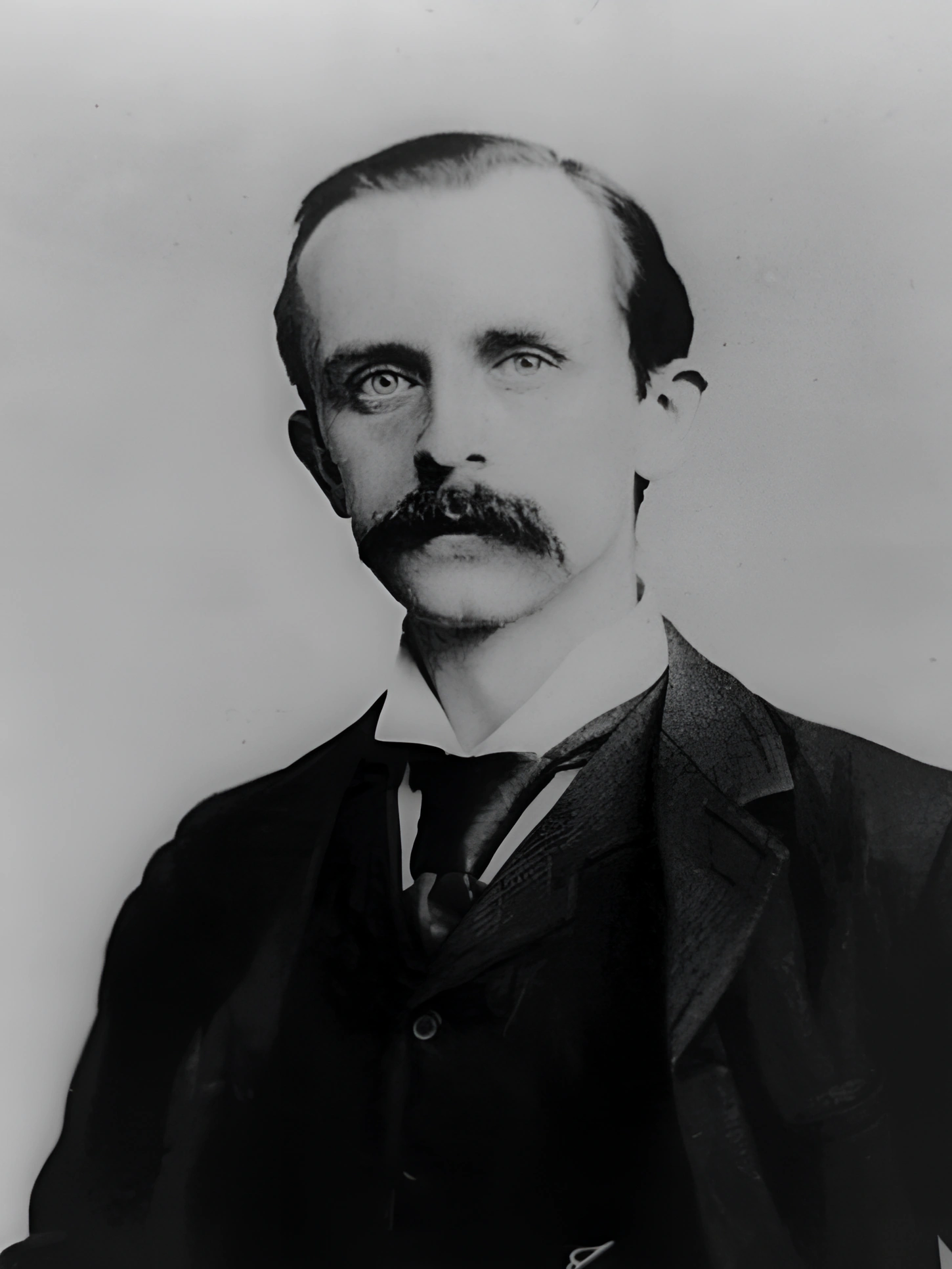
| 33 Quotes | |
| Born as | James Matthew Barrie |
| Occup. | Playwright |
| From | United Kingdom |
| Born | May 9, 1860 |
| Died | June 19, 1937 |
| Aged | 77 years |
| Cite | |
Citation Formats
APA Style (7th ed.)
James m. barrie biography, facts and quotes. (2026, February 11). FixQuotes. https://fixquotes.com/authors/james-m-barrie/
Chicago Style
"James M. Barrie biography, facts and quotes." FixQuotes. February 11, 2026. https://fixquotes.com/authors/james-m-barrie/.
MLA Style (9th ed.)
"James M. Barrie biography, facts and quotes." FixQuotes, 11 Feb. 2026, https://fixquotes.com/authors/james-m-barrie/. Accessed 25 Mar. 2026.
Early Life and Background
James Matthew Barrie was born on May 9, 1860, in Kirriemuir, Angus, a small Scottish weaving town shaped by Presbyterian discipline and the precarious respectability of skilled labor. He was the ninth of ten children of David Barrie, a handloom weaver, and Margaret Ogilvy Barrie, whose formidable storytelling and moral certainty became his earliest model of narrative authority. The household was affectionate but anxious, attentive to reputation, education, and the thin line between comfort and want in Victorian Scotland.The defining rupture came when Barrie was six: his adored older brother David died in a skating accident shortly before turning fourteen. Their mother retreated into grief, and the child Barrie found himself competing with a ghost - trying to console her by echoing the dead boy's presence, voice, and imagined future. That early apprenticeship in impersonation, consolation, and the emotional uses of make-believe would shadow his work: the boy who would not grow up was, first, a boy who could not be replaced.
Education and Formative Influences
Barrie attended the Dumfries Academy, where he edited school papers and began writing for audiences beyond Kirriemuir, then studied at the University of Edinburgh, graduating in 1882. He moved to London determined to climb, writing journalism and short fiction while absorbing the citys theater culture and the late-Victorian press economy that rewarded speed, wit, and sentiment. Scottish speech rhythms, the Kailyard taste for homely pathos, and the example of Robert Louis Stevenson and J.M. Synge-era Celtic revivalism informed his early voice, but so did the metropolitan lesson that a public persona could be authored as carefully as a play.Career, Major Works, and Turning Points
Barrie broke through with Scottish sketches and novels - notably Auld Licht Idylls (1888), A Window in Thrums (1889), and The Little Minister (1891) - which translated Kirriemuir-like life into marketable charm. He turned decisively to the stage in the 1890s, achieving major success with Quality Street (1901) and The Admirable Crichton (1902), comedies that tested class, performance, and the fragility of social roles. His central myth arrived through his friendship with Sylvia and Arthur Llewelyn Davies and their sons, whom he entertained with invented adventures that became Peter Pan: first in The Little White Bird (1902), then as the play Peter Pan, or The Boy Who Would Not Grow Up (1904), and later in the novel Peter and Wendy (1911). Barries private life ran alongside this public triumph: his marriage to the actress Mary Ansell (1894) ended in divorce (1909), and after the deaths of the Llewelyn Davies parents he became guardian to the boys, a role both tender and complicated in its emotional intensity.Philosophy, Style, and Themes
Barries art is often misread as simple whimsy, but its engine is loss managed by imagination. He wrote from the inside of grief, turning memory into a portable refuge: “God gave us memory so that we might have roses in December”. In his work, nostalgia is not decorative; it is a survival technique that converts pain into story, and story into a shared space where adults can briefly reenter a childhood that never quite existed as remembered. This is why Neverland glitters and chills at once - it is a theater set built over an abyss.His characters circle the mismatch between intention and outcome, the moral drama of selves we plan versus selves we become: “The life of every man is a diary in which he means to write one story, and writes another; and his humblest hour is when he compares the volume as it is with what he vowed to make it”. Barries stagecraft - lucid dialogue, sudden tenderness, and endings that refuse uncomplicated closure - treats identity as performance without reducing it to cynicism. Even his bravest line carries an undertow of denial and courage braided together: “To die will be an awfully big adventure”. Spoken by a child, it charms; understood as an adults fantasy of mastery over fear, it reveals Barries lifelong effort to domesticate mortality with language.
Legacy and Influence
Barrie died in London on June 19, 1937, having become both establishment figure and intimate mythmaker; he was created a baronet in 1913 and left the rights to Peter Pan to Great Ormond Street Hospital for Children, a charitable afterlife that matched his belief in art as consolation. His influence is vast: Peter Pan reshaped modern childhood, helping fix the 20th-centurys image of the child as simultaneously innocent, unknowable, and sovereign - a being adults long for and cannot retrieve. Theater-makers inherited his blend of comedy with metaphysical ache, while later writers and psychologists found in his Neverland a map of escapism, trauma, and the seductive ethics of refusing adulthood. Barrie endures because he wrote not just for children, but for the childlike fractures within adults - the places where memory blooms, where time hurts, and where imagination still negotiates with loss.Our collection contains 33 quotes written by James, under the main topics: Witty One-Liners - Motivational - Ethics & Morality - Wisdom - Love.
James M. Barrie Famous Works
- 1920 Mary Rose (Play)
- 1908 What Every Woman Knows (Play)
- 1904 Peter Pan (Play)
- 1902 The Little White Bird (Novel)
- 1902 The Admirable Crichton (Play)
- 1901 Quality Street (Play)
Source / external links