
James Naismith Biography Quotes 3 Report mistakes
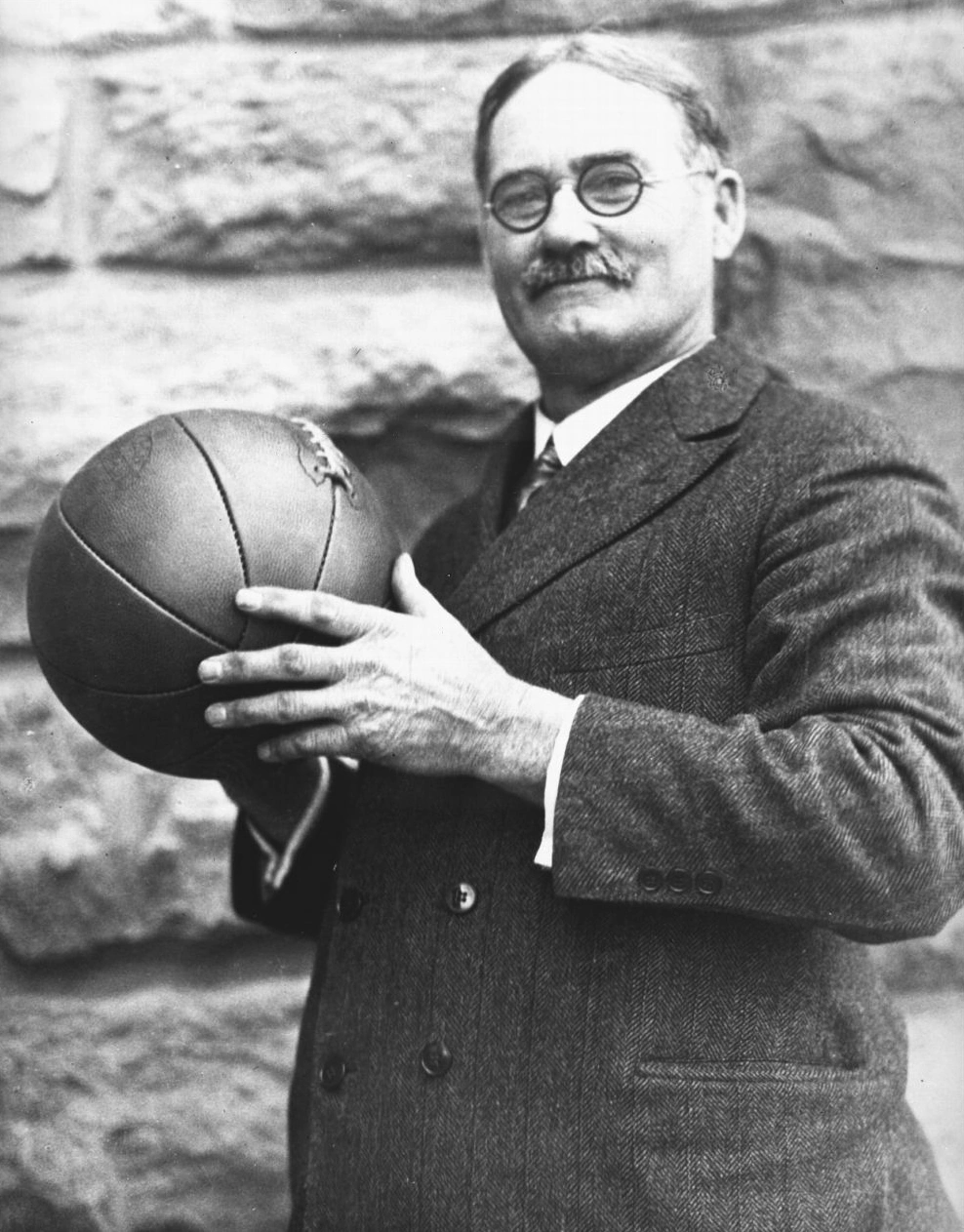
| 3 Quotes | |
| Occup. | Inventor |
| From | Canada |
| Born | November 6, 1861 Almonte, Province of Canada, British Empire |
| Died | November 28, 1939 Lawrence, Kansas |
| Aged | 78 years |
| Cite | |
Citation Formats
APA Style (7th ed.)
James naismith biography, facts and quotes. (2026, February 11). FixQuotes. https://fixquotes.com/authors/james-naismith/
Chicago Style
"James Naismith biography, facts and quotes." FixQuotes. February 11, 2026. https://fixquotes.com/authors/james-naismith/.
MLA Style (9th ed.)
"James Naismith biography, facts and quotes." FixQuotes, 11 Feb. 2026, https://fixquotes.com/authors/james-naismith/. Accessed 28 Mar. 2026.
Early Life and Background
James Naismith was born on November 6, 1861, near Almonte in rural Canada West (later Ontario), into a Presbyterian, Scots-descended farm community where stamina and self-command were practical virtues, not slogans. His earliest memories formed in the hard seasonal rhythm of timber and fields, a world that prized physical competence and moral reputation in equal measure. The boy who would later design a new game first learned, in creek beds and barnyards, how play could sharpen the body while binding a group together.Orphaned young when typhoid fever took his parents, Naismith was raised by relatives and carried into adulthood a quiet seriousness about duty and steadiness. That early loss did not make him brittle; it made him purposeful. He remained, by temperament, a reformer rather than a showman - convinced that character could be trained, and that institutions (schools, churches, YMCAs) were instruments for shaping it.
Education and Formative Influences
Naismith studied at McGill University in Montreal, earning degrees in physical education and later medicine, and absorbing the late-19th-century ideal that disciplined exercise could serve social order, health, and ethical formation. At McGill he played football and other sports, coached, and began to think like a teacher: not merely how to win, but how to structure rules so that competition produced restraint rather than injury. Presbyterian ethics, Muscular Christianity, and the era's anxieties about urbanization and idle youth all pressed in the same direction - toward organized games as moral pedagogy.Career, Major Works, and Turning Points
In 1891, while teaching at the YMCA International Training School in Springfield, Massachusetts, Naismith was tasked with creating an indoor activity to keep young men active through winter without the bruising violence of existing sports. He nailed up two peach baskets, wrote 13 rules, and on a gym floor shaped by New England practicality and Protestant reform, basketball was born. The game spread through YMCA networks with unusual speed: it was simple to teach, adaptable to cramped spaces, and exhilarating without requiring a culture of sanctioned brawling. Naismith later earned an M.D. from the University of Colorado, served as a chaplain and physical educator, and from 1898 coached at the University of Kansas, where his influence was less about wins than about building an athletic program grounded in education.Philosophy, Style, and Themes
Naismith's inner life reads as a reconciliation between rigor and kindness: a man who believed the body should be trained as an ally of the conscience. His ethic was not ascetic withdrawal but ordered vigor, the kind of self-mastery that could withstand modern temptations. That sensibility is crystallized in his motto-like injunction, “Be strong in body, clean in mind, lofty in ideals”. It was both personal creed and curriculum - a map of what he thought schools and gyms were for when industrial life threatened to thin human beings into workers without wholeness.Basketball, accordingly, was designed less as spectacle than as a corrective. Naismith resisted games that rewarded brute collision; he wanted motion, passing, and skill under rules that discouraged harm. He rejected the romantic myth of sudden genius and insisted on function: “The invention of basketball was not an accident. It was developed to meet a need. Those boys simply would not play 'Drop the Handkerchief.'”. Even his delight in the sport's global spread was intimate rather than imperial; he preferred the sight of the game taking root in ordinary places to any personal enrichment, admitting, “I am sure that no man can derive more pleasure from money or power than I do from seeing a pair of basketball goals in some out of the way place”. In those lines lies his psychology - a teacher's pride, an inventor's restraint, and a pastor's hope that a well-made game could build better citizens.
Legacy and Influence
Naismith died on November 28, 1939, after living to see basketball become an international sport and an Olympic event (1936), an outcome that confirmed his belief in institutions and rules as engines of culture. The enduring influence of his invention is not only the modern game's tactics, leagues, and vast economy, but the template it offers: sport as designed environment, where constraints teach cooperation, judgment, and self-control. In an age that often reduces athletics to entertainment or branding, Naismith remains a reminder that games can be engineered for human development - and that a modest Canadian educator, solving a winter problem in Springfield, could remake the world's playgrounds.Our collection contains 3 quotes written by James, under the main topics: Sports - Self-Improvement.
Other people related to James: Dean Smith (Athlete)
Source / external links