
Jane D. Hull Biography Quotes 28 Report mistakes
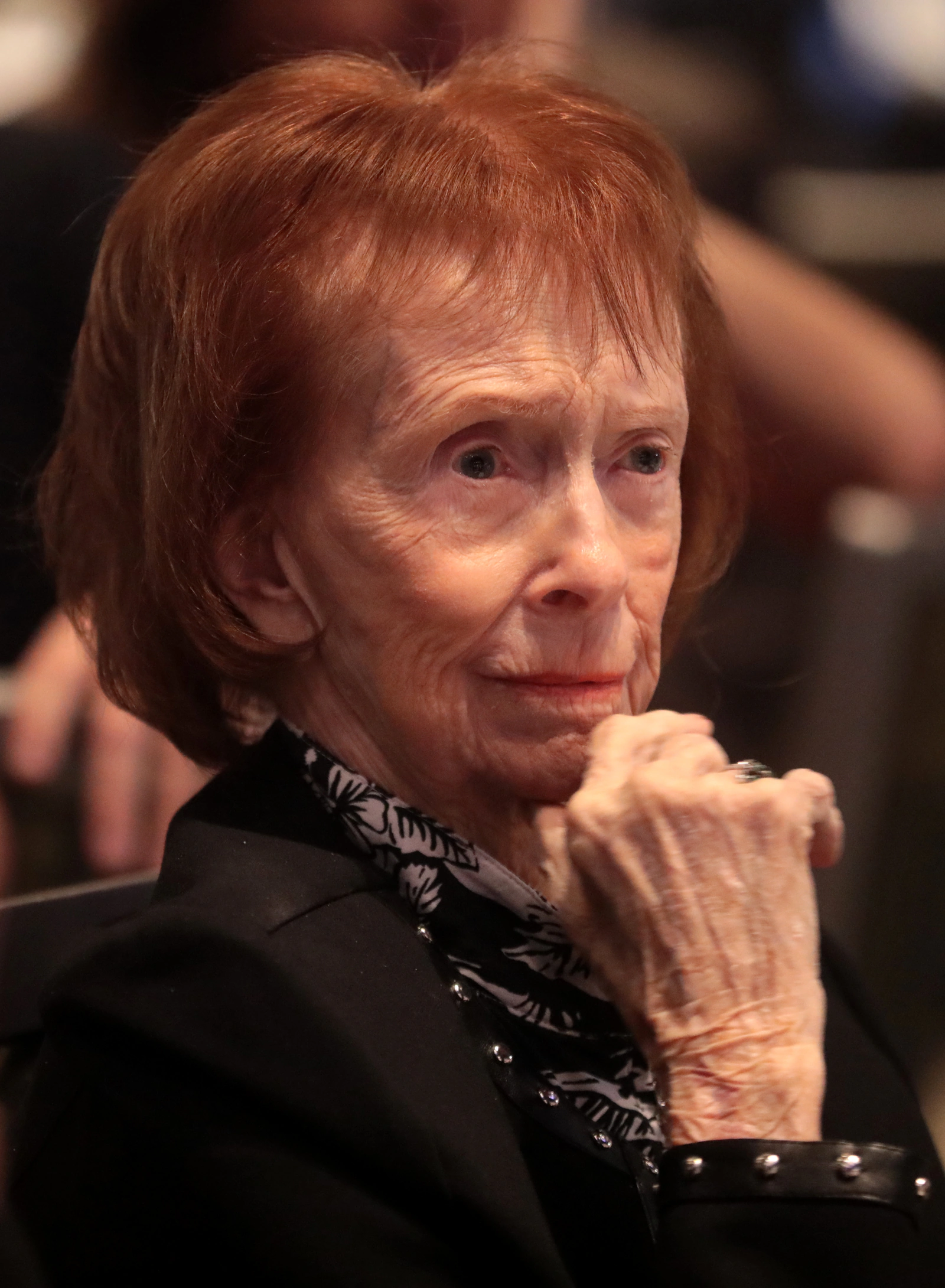
Attr: Gage Skidmore, CC BY-SA 3.0
| 28 Quotes | |
| Occup. | Politician |
| From | USA |
| Born | August 8, 1935 USA |
| Age | 90 years |
| Cite | |
Citation Formats
APA Style (7th ed.)
Jane d. hull biography, facts and quotes. (2026, February 11). FixQuotes. https://fixquotes.com/authors/jane-d-hull/
Chicago Style
"Jane D. Hull biography, facts and quotes." FixQuotes. February 11, 2026. https://fixquotes.com/authors/jane-d-hull/.
MLA Style (9th ed.)
"Jane D. Hull biography, facts and quotes." FixQuotes, 11 Feb. 2026, https://fixquotes.com/authors/jane-d-hull/. Accessed 12 Feb. 2026.
Early Life and Background
Jane Dee Bowersock Hull was born on August 8, 1935, in Kansas City, Missouri, into a Midwestern culture that prized thrift, churchgoing respectability, and civic duty. She grew up in the long shadow of the Depression and the mobilization of World War II, years that taught many Americans to treat government not as an abstraction but as the machinery that could steady families, build schools, and win wars. That early environment sharpened her later instinct for practical problem-solving over ideological display.In the 1960s she moved to Arizona, a state then racing from desert frontier to Sun Belt powerhouse. As Maricopa County and Phoenix expanded, Arizona politics became a contest over growth, water, public safety, and schools - and over how a new state identity could be forged without losing neighborly cohesion. Hull arrived as an adult, made Arizona home, and built her public persona around the adopted-state patriotism of someone who chose the place and then chose to serve it.
Education and Formative Influences
Hull trained as a teacher, a profession that shaped her political temperament: classroom work rewards repetition, patience, and measurable outcomes, and it exposes the fault lines of poverty, family stress, and unequal opportunity. In a state where rapid population growth constantly strained school systems, she carried into public life a teacher's habit of treating policy as something that lands on a child's desk - and a belief that institutions are judged by whether they are safe, competent, and fair.Career, Major Works, and Turning Points
A Republican, Hull rose through Arizona public life as a legislator and later as secretary of state before becoming the state's first female governor in 1997, taking office after Gov. Fife Symington resigned. She then won a full term in 1998 and governed through years when Arizona wrestled with budget pressures, crime anxieties, and debates over education finance, growth management, and immigration politics. Her administration promoted public safety initiatives and presided over the maturing of the state lottery as a revenue stream, while the late-1990s boom and early-2000s downturn made fiscal discipline a constant test. The capstone challenge of her tenure was steering Arizona through the immediate aftermath of the September 11, 2001 attacks, when national security, military readiness, and social cohesion abruptly dominated the American agenda.Philosophy, Style, and Themes
Hull's self-conception fused upward mobility with chosen-place loyalty, and she often framed her story as evidence of American permeability: "Where else but in America could a schoolteacher from Kansas City end up the governor of her adopted state?" That line was more than autobiography; it was a political psychology of gratitude, a belief that legitimacy comes from service rather than pedigree. It also functioned as an argument against cynicism, implying that institutions still work when citizens show up, vote, and accept unglamorous responsibility.Her governing themes centered on children, safety, and the moral ecology of everyday life - the home, the school, the neighborhood. She talked about parenting and schooling not as sentimental topics but as infrastructure for civic stability: "At the end of the day, the most overwhelming key to a child's success is the positive involvement of parents". In that worldview, the family is the first public institution, and policy succeeds when it reinforces the habits that families struggle to maintain under stress. Likewise, she tied environmental improvement to public order and domestic security: "We improved the environment in which our children live, learn and play by decreasing crime and clamping down on abuse and violence in the home and on the streets". The phrasing reveals a characteristic synthesis - social conservatism about personal responsibility paired with a pragmatic openness to state action when it promised safer streets, less victimization, and stronger schools.
Legacy and Influence
Hull left office in 2003 with a legacy defined less by a single signature law than by a steadying style during a period of rapid state change, including a post-9/11 recalibration of priorities and an ongoing struggle to fund education and public safety in a high-growth state. As Arizona's first woman governor, she widened the symbolic boundaries of who could plausibly lead in a still-male political culture, and her teacher-to-governor narrative became a durable model for civic credibility rooted in ordinary professional life. Her influence persists in Arizona's continued focus on linking crime policy, child welfare, and schooling to the long-term health of communities - an agenda that bears the imprint of a leader who viewed governance as the protection of everyday spaces where children become citizens.Our collection contains 28 quotes written by Jane, under the main topics: Motivational - Justice - Leadership - Freedom - Learning.
Source / external links