
Janet Fitch Biography Quotes 25 Report mistakes
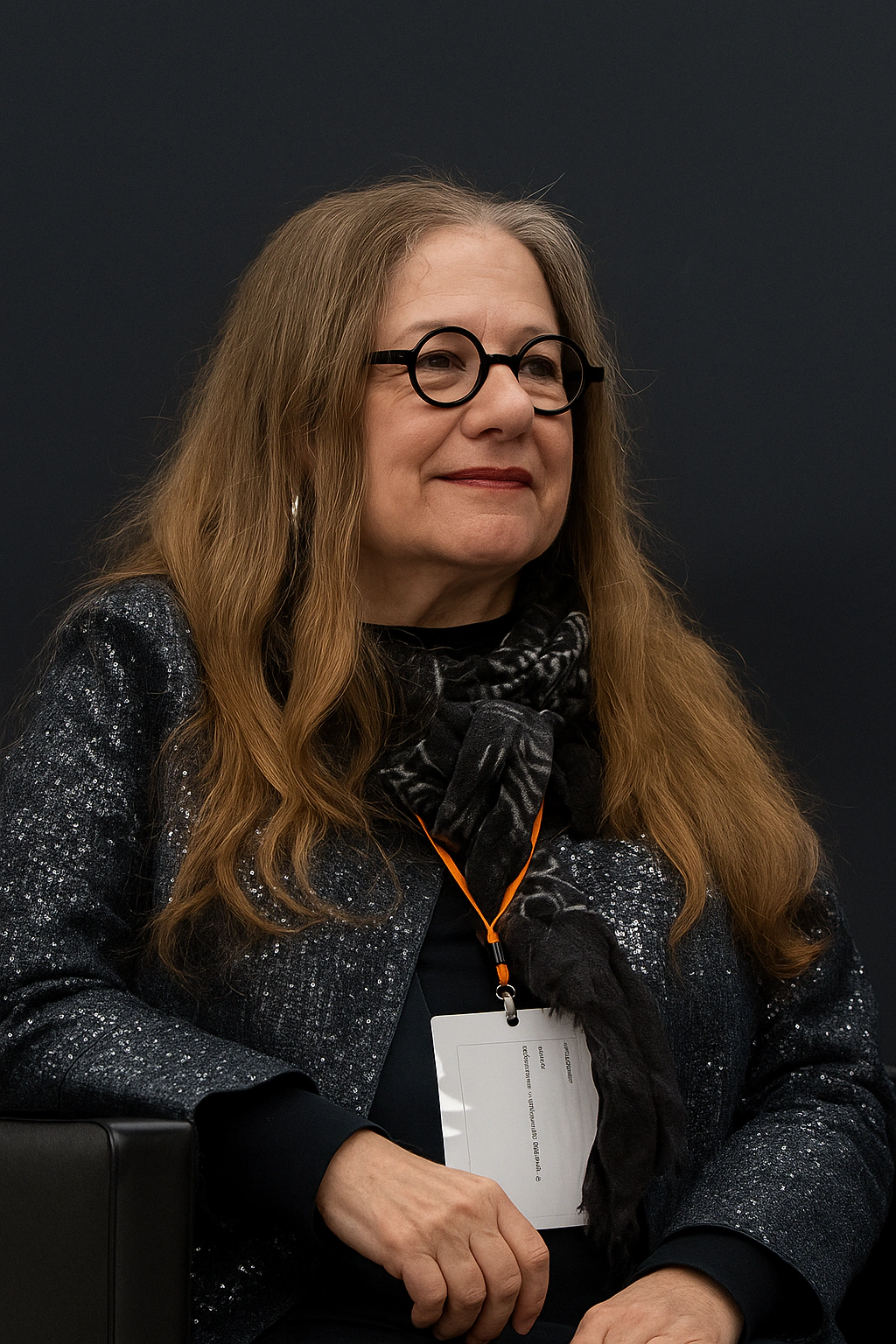
Attr: Bea Phi
| 25 Quotes | |
| Occup. | Author |
| From | USA |
| Born | November 9, 1955 Los Angeles, California, USA |
| Age | 70 years |
| Cite | |
Citation Formats
APA Style (7th ed.)
Janet fitch biography, facts and quotes. (2026, March 8). FixQuotes. https://fixquotes.com/authors/janet-fitch/
Chicago Style
"Janet Fitch biography, facts and quotes." FixQuotes. March 8, 2026. https://fixquotes.com/authors/janet-fitch/.
MLA Style (9th ed.)
"Janet Fitch biography, facts and quotes." FixQuotes, 8 Mar. 2026, https://fixquotes.com/authors/janet-fitch/. Accessed 26 Mar. 2026.
Early Life and Background
Janet Fitch was born on November 9, 1955, in Los Angeles, a city whose glitter, drought, ethnic layering, and private desolation would become central to her fiction. She grew up in a region where Hollywood fantasy and social fracture lived side by side, and her novels would later return obsessively to that contrast: beauty as lure, damage as inheritance, reinvention as both necessity and illusion. Fitch has spoken of a childhood steeped in books and observation, and the sensibility that emerged was less provincial than metropolitan - alert to class performance, female self-invention, and the emotional weather of Southern California.
Her family background has often been described in broad strokes rather than publicity-friendly anecdote, but what matters for her development is the combination of intellectual seriousness and instability that sharpened her powers of notice. Los Angeles in the 1960s and 1970s was not only the capital of images; it was also a place marked by migration, counterculture, racial tension, and the aftershocks of second-wave feminism. Fitch's later heroines are rarely protected by community. They are tested by abandonment, erotic power, foster systems, art, and the hard education of survival. That imaginative terrain suggests an early understanding that identity is improvised under pressure and that tenderness often arrives entangled with danger.
Education and Formative Influences
Fitch attended Reed College in Portland, Oregon, an environment famous for intellectual rigor and bohemian dissent, and there she studied history and literature while absorbing the habits of close reading that would mark her prose. Reed's seriousness about books, ideas, and self-invention suited her. She has acknowledged the importance of poetry to her formation, and her fiction bears the imprint of poets as much as novelists: compressed imagery, rhythmic sentence design, and emotional states rendered through sensuous detail. She was also shaped by the post-1960s expansion of women's writing, by European and Russian fiction, and by the feminist insistence that female interior life could carry epic weight. Before her breakthrough, she worked steadily and published stories, developing the patience and structural discipline that later allowed her to build large, psychologically dense novels.
Career, Major Works, and Turning Points
Fitch's first novel, White Oleander (1999), transformed her from a respected literary writer into a major public figure. The novel follows Astrid Magnussen, the daughter of a brilliant, narcissistic poet mother, through a succession of Los Angeles foster homes after the mother's imprisonment. It joined lyrical intensity to social realism and became an Oprah's Book Club selection, bringing Fitch an unusually broad readership; a 2002 film adaptation starring Alison Lohman, Michelle Pfeiffer, and Renée Zellweger further expanded her audience. Yet the novel's appeal was not reducible to plot: it offered a fierce anatomy of maternal charisma, female damage, and the making of an artist from wreckage. She followed it with Paint it Black (2006), a darker, punk-inflected Los Angeles novel of grief and erotic despair; the story was later adapted for film. Her later work, including The Revolution of Marina M. (2017) and Chimes of a Lost Cathedral (2022), showed her range widening into historical fiction, specifically revolutionary Russia, while retaining her signature interest in women under ideological and emotional siege. Across these turning points, Fitch remained committed to literary seriousness even after commercial success, resisting the flattening pressures of brand authorship.
Philosophy, Style, and Themes
Fitch writes as if identity were a dangerous artwork assembled from injury, appetite, and language. Her prose is lush without being vague; images arrive with painterly precision, but they are usually tethered to psychic conflict. She is drawn to girls and women who are acted upon, then slowly learn to narrate themselves. This is why her fiction returns to the body, clothing, weather, rooms, and color: exterior detail becomes the map of inner states. In White Oleander especially, Los Angeles is not backdrop but moral atmosphere - seductive, sun-struck, and unstable. Her characters yearn for metamorphosis, yet every transformation carries a cost, as if self-creation required an encounter with ruin.
Her psychology as a novelist is clearest in the aphoristic edge of her language. “Don't hoard the past. Don't cherish anything. Burn it. The artist is the phoenix who burns to emerge”. That line captures her faith in destruction as a precondition of artistic consciousness; memory in Fitch is never archive alone, but fuel. Equally revealing is her suspicion of inherited sentimentality: “Just because a poet said something didn't mean it was true, only that it sounded good”. Beneath the lyricism lies a hard intelligence wary of false transcendence. And when she writes, “Girls were born knowing how destructive the truth could be. They learned to hold it in, tamp it down, like gunpowder in an old fashioned gun. Then it exploded in your face on a November day in the rain”. she exposes a central theme of her work: female speech as both suppressed force and catastrophic release. Fitch's women are not symbols of resilience in any easy sense; they are volatile consciousnesses discovering that survival requires style, irony, and the courage to see clearly.
Legacy and Influence
Janet Fitch occupies a distinct place in contemporary American fiction: a literary novelist who reached a mass readership without simplifying her art. She helped legitimize a mode of emotionally intense, female-centered fiction that is sensuous, intellectually alert, and unsparing about power. Younger writers have drawn from her example in depicting girls' interior lives with seriousness rather than condescension, and in treating Los Angeles as a literary city of class conflict, foster care, punk culture, and spiritual hunger rather than mere celebrity surface. White Oleander remains her defining book because it entered popular culture while preserving the density of a serious novel, but her broader legacy lies in the authority she gave to damaged, observant female narrators who turn exposure into vision. In Fitch's world, art does not heal by erasing pain; it gives pain form, and thereby gives the self a future.
Our collection contains 25 quotes written by Janet, under the main topics: Truth - Wisdom - Art - Nature - Writing.
Frequently Asked Questions
- Paint It Black Janet Fitch: Paint It Black (2006) is a novel centered on grief and obsession after a young man’s death in Los Angeles.
- White Oleander Janet Fitch: White Oleander is Janet Fitch’s bestselling 1999 novel about a girl navigating foster homes after her mother is imprisoned.
- Janet Fitch husband: Janet Fitch keeps her personal life private; no widely confirmed public information about a husband is available.
- Kicks Janet Fitch: Kicks is a lesser-known title sometimes associated with Janet Fitch; her best-known works are White Oleander and Paint It Black.
- Janet Fitch books: Notable novels include White Oleander (1999), Paint It Black (2006), and The Revolution of Marina M. (2014).
- How old is Janet Fitch? She is 70 years old
Source / external links