
Jasmila Žbanić Biography Quotes 24 Report mistakes
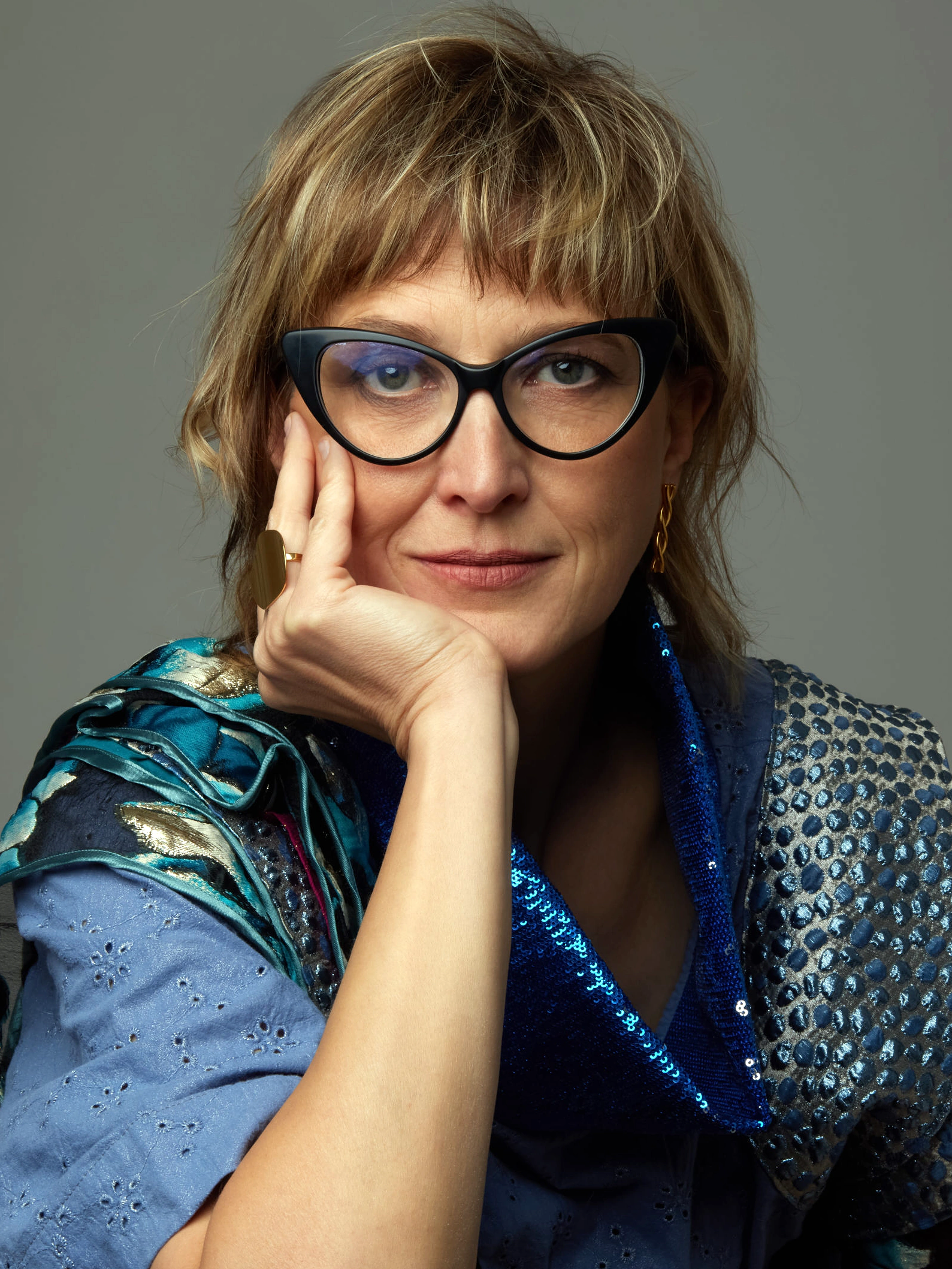
| 24 Quotes | |
| Occup. | Director |
| From | Bosnia and Herzegovina |
| Born | December 19, 1974 Sarajevo, SR Bosnia and Herzegovina, SFR Yugoslavia |
| Age | 51 years |
| Cite | |
Citation Formats
APA Style (7th ed.)
Jasmila žbanić biography, facts and quotes. (2026, February 15). FixQuotes. https://fixquotes.com/authors/jasmila-zbanic/
Chicago Style
"Jasmila Žbanić biography, facts and quotes." FixQuotes. February 15, 2026. https://fixquotes.com/authors/jasmila-zbanic/.
MLA Style (9th ed.)
"Jasmila Žbanić biography, facts and quotes." FixQuotes, 15 Feb. 2026, https://fixquotes.com/authors/jasmila-zbanic/. Accessed 29 Mar. 2026.
Early Life and Background
Jasmila Zbanic was born on December 19, 1974, in Sarajevo, then in the Socialist Federal Republic of Yugoslavia, into a Bosniak family shaped by the citys dense multicultural fabric and its long tradition of secular public life. Sarajevo in the late 1970s and 1980s offered both socialist stability and a cosmopolitan arts scene, but it also carried unspoken tensions that would erupt as Yugoslavia fractured at the start of the 1990s.Her adulthood began under siege. During the 1992-1996 war in Bosnia and Herzegovina, Sarajevo was encircled and shelled, daily life reduced to water queues, improvisation, and loss. The war did not merely provide later subject matter; it formed her moral baseline: how ordinary routines are defended against organized cruelty, how survivors carry the event inside them, and how women often become the custodians of continuity amid catastrophe. Those years also fixed her attention on the gap between international language about peace and the intimate realities of fear, hunger, and disappearance.
Education and Formative Influences
After the war, Zbanic studied at the Academy of Performing Arts in Sarajevo, training in theater and film in a society rebuilding its institutions while processing mass trauma, including the genocide at Srebrenica in July 1995. Early work in performance, documentary, and video art sharpened her ear for spoken testimony and her suspicion of grand narratives; she learned to treat the camera as a witness rather than a weapon, and to build drama from the social textures of postwar life - apartments, offices, aid bureaucracies, and family silences.Career, Major Works, and Turning Points
Zbanic emerged internationally with feature filmmaking that fused intimate character study with political consequence. Her breakthrough, "Grbavica: The Land of My Dreams" (2006), about a Sarajevo mother and daughter living with the concealed aftermath of wartime rape, won the Golden Bear at the Berlin International Film Festival, signaling that Bosnian stories could speak beyond national confines without dilution. She followed with "On the Path" ("Na putu", 2010), tracing how postwar disorientation and unemployment can make religious fundamentalism feel like order. Her most widely recognized film, "Quo Vadis, Aida?" (2020), centers a UN translator in Srebrenica as institutional procedure collapses into extermination; it earned major European awards and an Academy Award nomination, and became a defining cinematic account of how genocide is enabled by paperwork, caution, and delay. Across these turning points, she moved from postwar domestic fallout to the mechanics of atrocity itself, while keeping the frame anchored to ordinary people pressed into impossible choices.Philosophy, Style, and Themes
Zbanics cinema is governed by an ethical realism: she refuses the war-film bargain in which spectacle substitutes for comprehension. She has said, “Many films - even films directed by women - show war in an aestheticised or spectacular way, and this is not my experience of war”. That sentence reveals a psychology of distrust toward images that flatter viewers into feeling informed; for her, the most dangerous seduction is visual beauty attached to violence, because it invites distance. Her staging therefore favors tight interiors, procedural rhythms, and human faces caught between hope and dread, using restraint to compel imagination rather than feeding it.This restraint is also an argument about universality and responsibility. “I don't think it's exclusively a Balkans thing. I think we, human beings, behave more or less the same, and it could happen to any of us”. The line rejects Balkan exceptionalism and turns trauma into a warning about human tendencies under pressure: conformity, careerism, fear of disorder, and the wish to outsource moral risk. Her narrators - a mother guarding a daughter, a partner losing a lover to certainty, a translator bargaining with bureaucrats - are not symbols but moral instruments, designed to test how far decency can stretch. Even when her plots are anchored in Bosnia, they are built to travel, guided by her stated desire for broad understanding: “My big wish is that people in Europe also see the film, in America, everywhere, understanding what happens”.
Legacy and Influence
Zbanic has become one of the central authors of post-Yugoslav cinema, not by mythologizing Bosnia but by insisting that private life is where history is finally paid for. Her films have helped define how wartime sexual violence, radicalization, and the administrative anatomy of genocide can be represented without sensationalism, influencing younger directors and widening the audiences willing to face these subjects. In an era of resurgent nationalism and historical revisionism, her work functions as both art and civic memory - a body of cinema that insists that the past is not past, and that attention is a form of accountability.Our collection contains 24 quotes written by Jasmila, under the main topics: Truth - Art - Justice - Love - Deep.
Source / external links