
Jean Cocteau Biography Quotes 47 Report mistakes
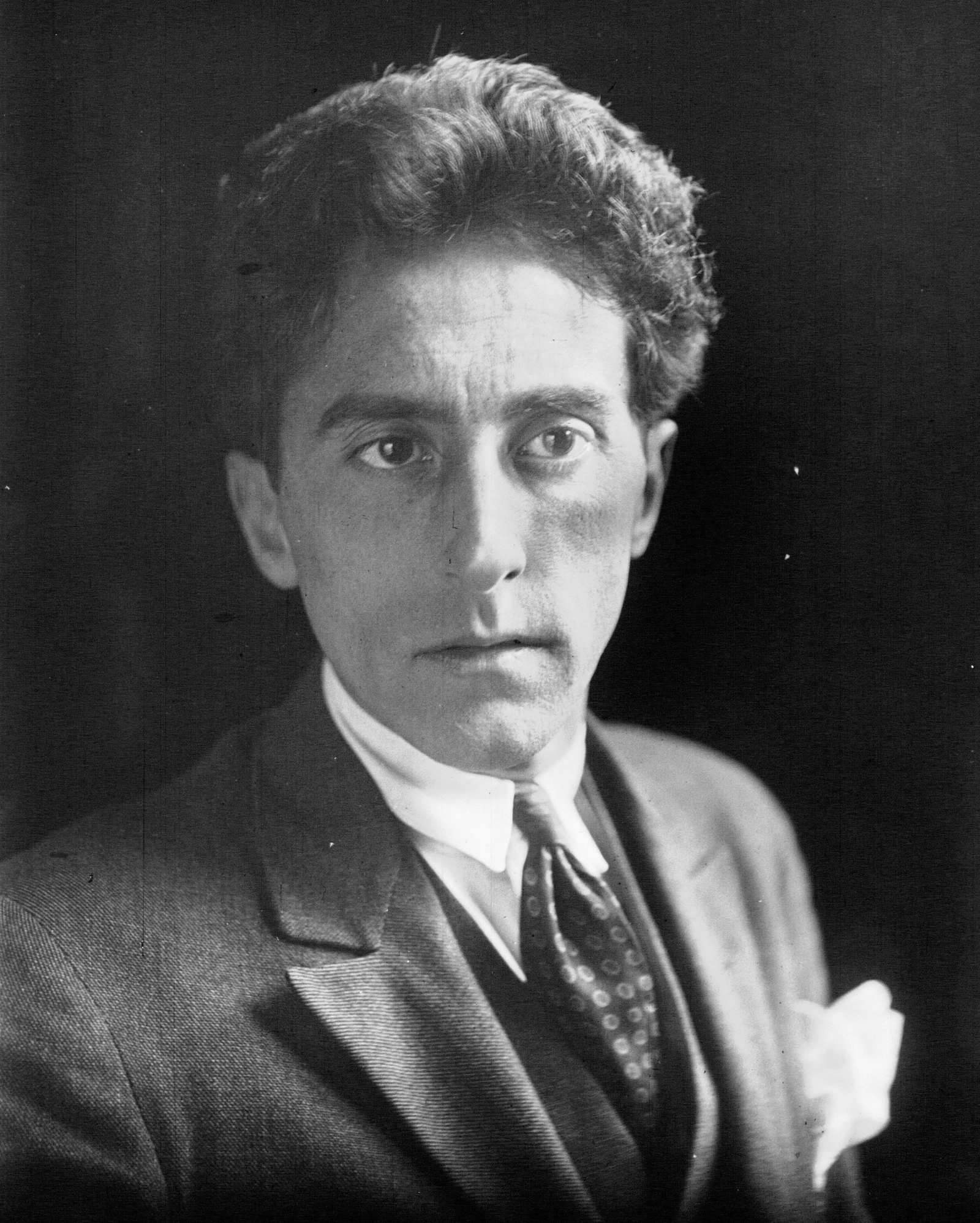
| 47 Quotes | |
| Occup. | Director |
| From | France |
| Born | July 5, 1889 Maisons-Laffitte, Yvelines, France |
| Died | October 11, 1963 Milly-la-Foret, Essonne, France |
| Cause | heart attack |
| Aged | 74 years |
| Cite | |
Citation Formats
APA Style (7th ed.)
Jean cocteau biography, facts and quotes. (2026, February 11). FixQuotes. https://fixquotes.com/authors/jean-cocteau/
Chicago Style
"Jean Cocteau biography, facts and quotes." FixQuotes. February 11, 2026. https://fixquotes.com/authors/jean-cocteau/.
MLA Style (9th ed.)
"Jean Cocteau biography, facts and quotes." FixQuotes, 11 Feb. 2026, https://fixquotes.com/authors/jean-cocteau/. Accessed 6 Mar. 2026.
Early Life and Background
Jean Cocteau was born on July 5, 1889, in Maisons-Laffitte, outside Paris, into a well-off bourgeois family that gave him early access to books, music, drawing, and the theater of Parisian society. France in his youth was a country of confident institutions and nervous undercurrents - the Belle Epoque glow shadowed by political scandal and the coming rupture of modernity. Cocteau absorbed that double register early: elegance and unease, manners and masks.A defining wound came in 1898 when his father, Georges Cocteau, died by suicide. The family rarely spoke plainly about it, and the silence itself became formative: Cocteau learned to read emotions in surfaces and to build protective fictions. The loss also sharpened his need for chosen families and artistic clans, a pattern that would recur through his friendships and collaborations, and in his lifelong fascination with death as both threat and portal.
Education and Formative Influences
Cocteau was an indifferent student in formal terms, drifting through schools in Paris and chafing at discipline, but he educated himself hungrily in salons, rehearsal rooms, galleries, and the citys bohemian circuits. He published early verse and became, while still a teenager, a presence in fashionable literary life - a prodigy as much of performance as of craft. The shock of Sergei Diaghilevs Ballets Russes and its total-art ambitions mattered deeply, as did his friendships with Erik Satie and, later, Igor Stravinsky; their example pushed him toward a modernism that was not purely cerebral but theatrical, rhythmic, and boldly synthetic.Career, Major Works, and Turning Points
Cocteau moved restlessly across genres: poetry, drawing, criticism, theater, ballet, the novel, and film, treating each as a different doorway into the same private labyrinth. A major early triumph and controversy was his scenario for the ballet Parade (1917), staged by Diaghilev with music by Satie and designs by Pablo Picasso, which brought the avant-garde into collision with wartime audiences. In the 1920s he wrote the novel Les Enfants terribles (1929) and the play Orphee (1926), works that distilled his themes of erotic intensity, sibling symbiosis, and the cost of imagination. His cinema made him internationally iconic: Le Sang dun poete (1930) announced film as his dream logic made visible; La Belle et la bete (1946) turned constraint-era ingenuity into a ravishing fairy tale; and Orphee (1950) - followed by Le Testament dOrphee (1960) - translated his myth of the artist into modern Paris, with mirrors as thresholds. Periods of illness and opium addiction, and the deaths of intimates such as Raymond Radiguet (1923), repeatedly forced reinvention, but each crisis also tightened his symbolic vocabulary.Philosophy, Style, and Themes
Cocteau treated art as an ordeal rather than a hobby, insisting on the seriousness of making as a kind of vocation: “Art is not a pastime but a priesthood”. That priesthood, in his case, demanded disguise. He loved masks, angels, monsters, and aristocratic poses not as escapism but as instruments for telling what could not otherwise be said - about desire, grief, and the self that splits under pressure. His public persona - elegant, quick, aphoristic - was a shield and a method, converting vulnerability into style.His films and plays return obsessively to thresholds: mirrors, corridors, stages, hotel rooms, and bedrooms where time becomes viscous. The artist in Cocteau is a medium who lies with precision, because he believes revelation requires artifice: “The poet is a liar who always speaks the truth”. Myth is the grand technology of that artifice, a way to flee the ordinary self while exposing it; in Cocteaus psychology, escape and confession are the same act. He framed modern distraction, addiction, and even polite fabrication as variants of the same hunger for metamorphosis: "Man seeks to escape himself in myth, and does so by any means at his disposal. Drugs, alcohol, or lies. Unable to withdraw into himself, he disguises
Our collection contains 47 quotes written by Jean, under the main topics: Witty One-Liners - Wisdom - Truth - Art - Justice.
Other people related to Jean: Elsa Schiaparelli (Designer), Berenice Abbott (Photographer), Kenneth Anger (Author), Philip Glass (Composer), Man Ray (Photographer), Roger Peyrefitte (Diplomat), Josephine Baker (Dancer), Anna Magnani (Actress)
Source / external links