
Jean de Brunhoff Biography Quotes 1 Report mistakes
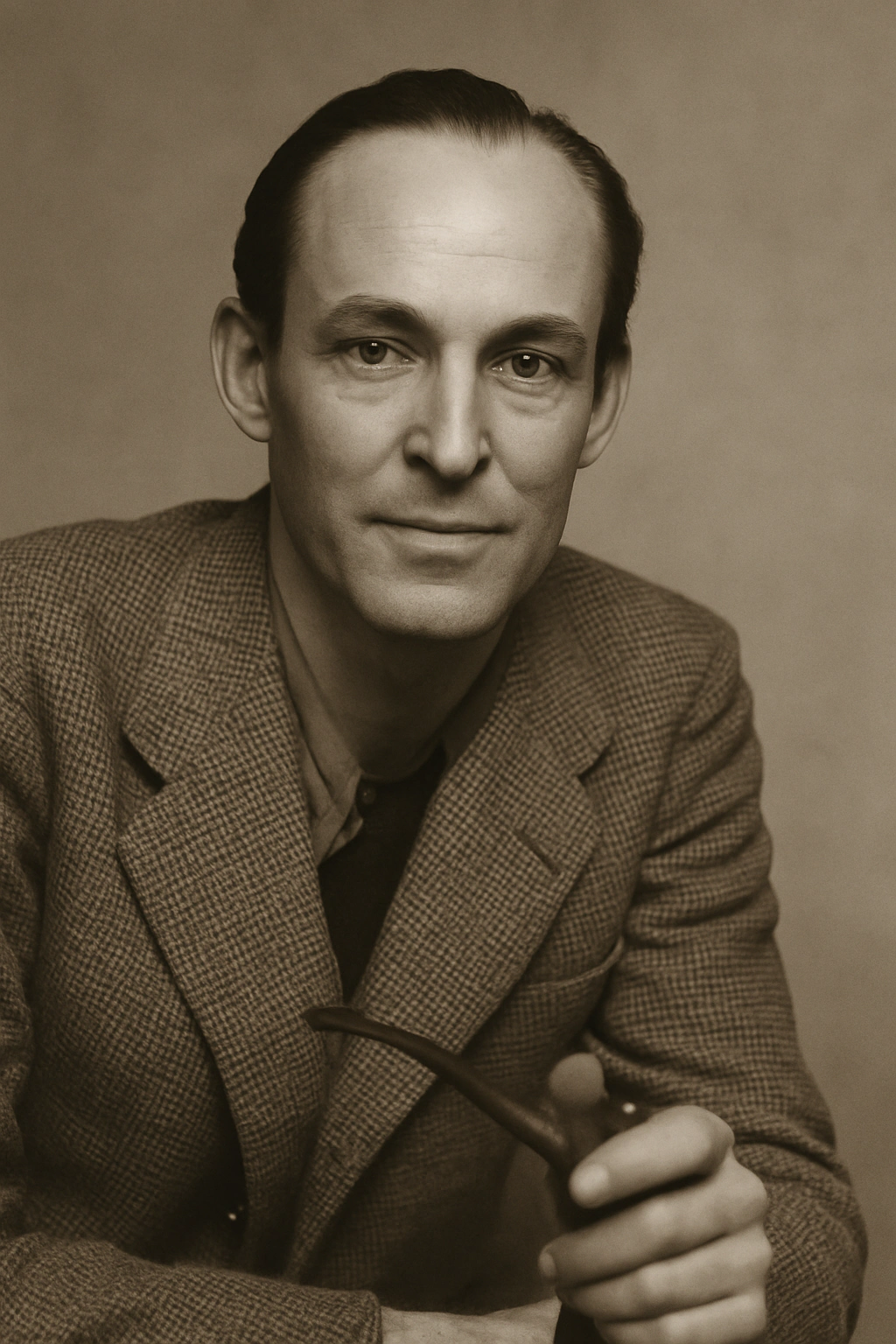
| 1 Quotes | |
| Occup. | Writer |
| From | France |
| Born | December 9, 1899 Paris, Île-de-France, France |
| Died | October 16, 1937 Paris, Île-de-France, France |
| Cause | Tuberculosis |
| Aged | 37 years |
| Cite | |
Citation Formats
APA Style (7th ed.)
Jean de brunhoff biography, facts and quotes. (2026, February 11). FixQuotes. https://fixquotes.com/authors/jean-de-brunhoff/
Chicago Style
"Jean de Brunhoff biography, facts and quotes." FixQuotes. February 11, 2026. https://fixquotes.com/authors/jean-de-brunhoff/.
MLA Style (9th ed.)
"Jean de Brunhoff biography, facts and quotes." FixQuotes, 11 Feb. 2026, https://fixquotes.com/authors/jean-de-brunhoff/. Accessed 28 Mar. 2026.
Early Life and Background
Jean de Brunhoff was born on December 9, 1899, in Paris, into a cultivated bourgeois milieu that prized books, drawing, and conversation. He grew up in a France still marked by the Dreyfus-era arguments over justice and citizenship, then abruptly refocused by the catastrophe of World War I. That collision between stable domestic culture and national rupture would later surface in his fiction as a recurring pattern: a safe world interrupted, a child displaced, and a new social order learned through observation rather than sermon.The Brunhoff household also formed him through its mixture of comfort and discipline: the routines of family life, the tactful silences of class, and the expectation that talent should become craft. In private he was remembered as gentle and exacting, with an eye for the expressive simplification that makes an image feel inevitable. The emotional temperature of his later stories - tender, alert to fear, yet committed to reassurance - suggests a writer who understood childhood as both vulnerable and resilient, and who took seriously the responsibility of making a frightening world legible.
Education and Formative Influences
He trained as a visual artist before becoming famous as an author, studying painting and absorbing the modern graphic clarity that was reshaping French design in the early 20th century - from posters and typography to the clean lines of Art Deco. Paris between the wars offered him both modernity and nostalgia: department stores, new leisure, colonial imagery, and a booming illustrated press that prized bold contours and economical color. This was also an era of expanding children's publishing, when the picture book was becoming a serious, mass-circulation form rather than a minor offshoot of pedagogy.Career, Major Works, and Turning Points
De Brunhoff's lasting achievement was the creation of Babar, first told at home as a family story and then transformed into picture books that merged narrative with a painter's control of space. The breakthrough came with Histoire de Babar, le petit elephant (1931), followed by Le Voyage de Babar (1932), Le Roi Babar (1933), and later titles completed during his final years, as illness narrowed his time but sharpened his concentration. He wrote and painted these books himself, building a world where animals moved through human institutions - city, school, court, ceremony - without losing their animalness. The turning point was not simply commercial success; it was his discovery that a child's bedtime improvisation could be refined into a modern classic through rigorous composition, repeated motifs, and a moral tone that never needed to raise its voice.Philosophy, Style, and Themes
At the heart of de Brunhoff's work is an ethics of civilization: how to turn shock into structure without denying the shock. Babar's origin story begins in trauma and exile - “After Babar's mother was killed by the hunter, he went to the big city”. That sentence is blunt, almost journalistic, and the bluntness matters. Psychologically it signals de Brunhoff's refusal to sentimentalize danger; he names the wound early so that the rest of the story can be about adaptation. Yet he also chooses the city not as a nightmare but as a classroom - a place where the displaced child studies manners, clothing, money, and friendship, learning to translate fear into competence.His style matches that philosophy. The drawings are composed with calm, readable staging: figures in profile or three-quarter view, gestures simplified, backgrounds serving clarity rather than spectacle. This visual serenity is not naive; it is a strategy for holding anxiety at a safe distance. The themes - loss, etiquette, leadership, community - are presented through repetition and ritual, as if the book itself were a small ceremony that turns contingency into order. In the interwar French context, with its longing for stability after mass death and its fascination with modern consumption, Babar becomes a fantasy of repair: a world where the child can master new codes and return, not to erase the past, but to build a future with it.
Legacy and Influence
Jean de Brunhoff died on October 16, 1937, in France, at only 37, leaving behind a body of work small in quantity but unusually cohesive in tone and design. After his death, the Babar series continued through his son Laurent de Brunhoff, extending the character's life across generations and markets, and turning the original books into global reference points for the modern picture book. De Brunhoff's deeper legacy is formal as well as cultural: he helped prove that children's literature could carry serious emotional premises - grief, dislocation, moral choice - while remaining luminous, paced, and aesthetically disciplined, a model still visible in illustrated storytelling that aims to comfort without lying.Our collection contains 1 quotes written by Jean, under the main topic Mother.
Frequently Asked Questions
- Books with Babar the elephant: The Story of Babar; The Travels of Babar; Babar the King; Babar and Father Christmas
- Babar the elephant controversy: Criticized for colonialist/imperialist overtones and class themes
- TV shows with Babar the Elephant: Babar (1989–1991); Babar and the Adventures of Badou (2010–2015)
- Jean de Brunhoff elephant: Creator of Babar the Elephant
- Cécile de Brunhoff: Jean’s wife; originated the Babar bedtime story
- Jean de Brunhoff Books: The Story of Babar; The Travels of Babar; Babar the King; Babar and Zephir; Babar’s ABC; Babar and Father Christmas
- Laurent de Brunhoff: Jean’s son; continued the Babar books (1925–2024)
- How old was Jean de Brunhoff? He became 37 years old
Jean de Brunhoff Famous Works
- 1933 King Babar (Children's book)
- 1932 The Travels of Babar (Children's book)
- 1931 The Story of Babar (Children's book)
Source / external links