
Jean Vanier Biography Quotes 4 Report mistakes
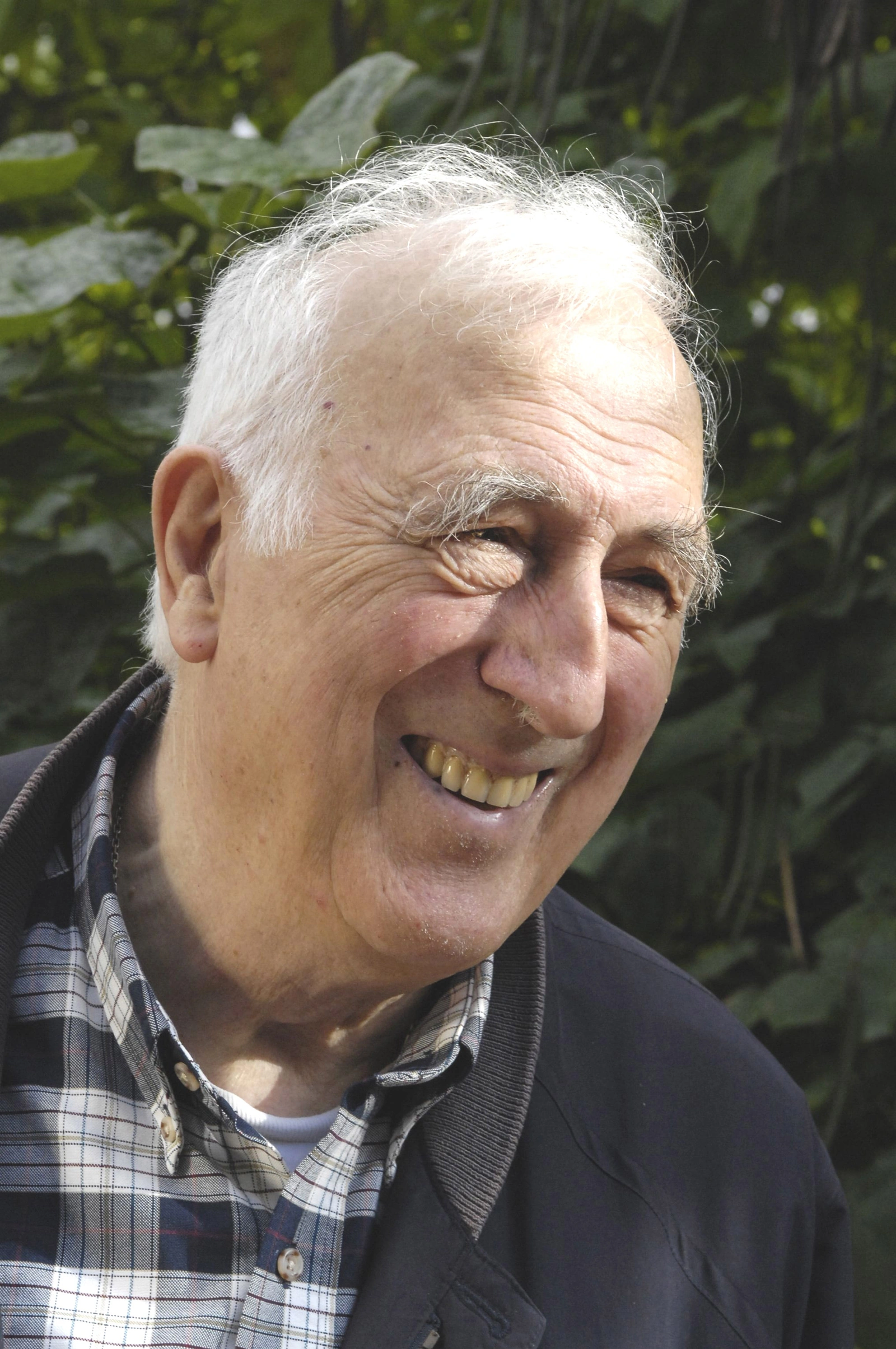
| 4 Quotes | |
| Occup. | Philosopher |
| From | Canada |
| Born | September 10, 1928 Geneva, Switzerland |
| Age | 97 years |
| Cite | |
Citation Formats
APA Style (7th ed.)
Jean vanier biography, facts and quotes. (2026, February 11). FixQuotes. https://fixquotes.com/authors/jean-vanier/
Chicago Style
"Jean Vanier biography, facts and quotes." FixQuotes. February 11, 2026. https://fixquotes.com/authors/jean-vanier/.
MLA Style (9th ed.)
"Jean Vanier biography, facts and quotes." FixQuotes, 11 Feb. 2026, https://fixquotes.com/authors/jean-vanier/. Accessed 5 Mar. 2026.
Early Life and Background
Jean Vanier was born on September 10, 1928, in Geneva, Switzerland, to Canadians serving abroad: Georges Vanier, a decorated First World War officer who would later become Governor General of Canada, and Pauline Archer Vanier, whose Catholic faith and diplomatic tact shaped the family atmosphere. Childhood moved with postings between Europe and Canada, with the Vanier household marked by privilege, public duty, and an intense sense that moral life was not private sentiment but a vocation tested in history.That formation was inseparable from the 1930s and 1940s: the rise of fascism, wartime dislocation, and postwar reconstruction. Vanier grew up watching power broker deals, ceremonial politics, and the quiet costs of national ambition. The contrast between official grandeur and human fragility would become a lifelong preoccupation, later reframed through the lives of people with intellectual disabilities - those society often kept invisible while celebrating its own efficiency.
Education and Formative Influences
In 1949 Vanier entered the Royal Naval College of Canada in Kingston and served as an officer in the Royal Canadian Navy and the Royal Navy, learning discipline, hierarchy, and the machinery of command - and also sensing how easily institutions can harden. In 1950 he resigned, turning toward philosophy and theology in Paris and at the Institut Catholique, and completed a doctorate in philosophy on Aristotle (1962). A decisive mentor was Dominican priest Thomas Philippe, whose spiritual direction and communal ideals helped steer Vanier from abstract ethics toward a lived experiment in friendship; the period also sharpened his attraction to personalism and to the idea that the human person is known fully only in relationship.Career, Major Works, and Turning Points
In 1964 Vanier founded L'Arche at Trosly-Breuil, north of Paris, after inviting two men from an institution, Raphael Simi and Philippe Seux, to share a home with him; the turning point was not charity but mutuality - a refusal to keep "helper" and "helped" in separate worlds. L'Arche expanded into an international federation of communities, and Vanier became its public philosopher-advocate through books such as Eruption to Hope (1971), Community and Growth (1979), Becoming Human (1998), and The Scandal of Service (1999), as well as through the parallel creation of Faith and Light (1971) with Marie-Helene Mathieu, supporting families affected by disability. He received major honors, including the Companion of the Order of Canada (1986) and the Templeton Prize (2015), and became a sought-after voice on ethics, disability, and the spiritual dangers of success. After his death on May 7, 2019, L'Arche concluded that he had engaged in abusive sexual relationships over decades, a revelation that forced a painful reassessment of his persona and authority.Philosophy, Style, and Themes
Vanier's philosophy turned on a paradox: human dignity is most clearly disclosed where modern meritocracy sees only deficit. He wrote as a phenomenologist of daily life - meals, arguments, reconciliation, the slow work of trust - and he treated community less as an ideology than as a school of self-knowledge. “Growth begins when we begin to accept our own weakness”. For Vanier this was not a slogan but a psychological diagnosis: the compulsive need to be strong breeds control, while admitted weakness can open space for listening, tenderness, and shared dependence.At the same time he was unusually alert to the way institutions deform the very compassion that creates them. “Community begins in mystery and ends in administration. Leaders move away from people and into paper”. The line reads like autobiography: he knew charisma can fossilize into bureaucracy, and that leaders can protect themselves behind procedures. Another recurring theme was the inner conflict that drives both service and domination: “Envy comes from people's ignorance of, or lack of belief in, their own gifts”. In his best pages, envy is not a petty vice but a wound that seeks relief through comparison, status, and the quiet contempt of those deemed "less". The posthumous disclosures of his misconduct give these insights a harsher resonance, inviting readers to distinguish between a real philosophy of vulnerability and a leader's capacity to weaponize intimacy.
Legacy and Influence
Vanier's enduring impact lies in the communities he helped spark and in a changed moral imagination around disability, belonging, and friendship: L'Arche houses across continents demonstrated that care is not only a service delivered but a culture built, with people with intellectual disabilities at its center rather than its margins. His writings remain influential in pastoral theology, ethics, and disability studies for their insistence that the "normal" world is spiritually impoverished by exclusion. Yet his legacy is now inseparable from accountability: the same tradition that celebrates gentleness must reckon with the ways spiritual authority can conceal coercion. The result is not a simple cancellation or canonization, but a more adult inheritance - one that keeps what is true in his vision of mutuality while refusing the myth that insight guarantees integrity.Our collection contains 4 quotes written by Jean, under the main topics: Humility - Confidence - Reinvention - Management.
Other people related to Jean: Henri Nouwen (Clergyman)
Jean Vanier Famous Works
- 2015 Life's Great Questions (Book)
- 2007 Man and Woman God Made Them (Book)
- 1998 Becoming Human (Book)
- 1995 An Ark for the Poor (Book)
- 1979 Community and Growth (Book)
Source / external links