
Jeff Miller Biography Quotes 27 Report mistakes
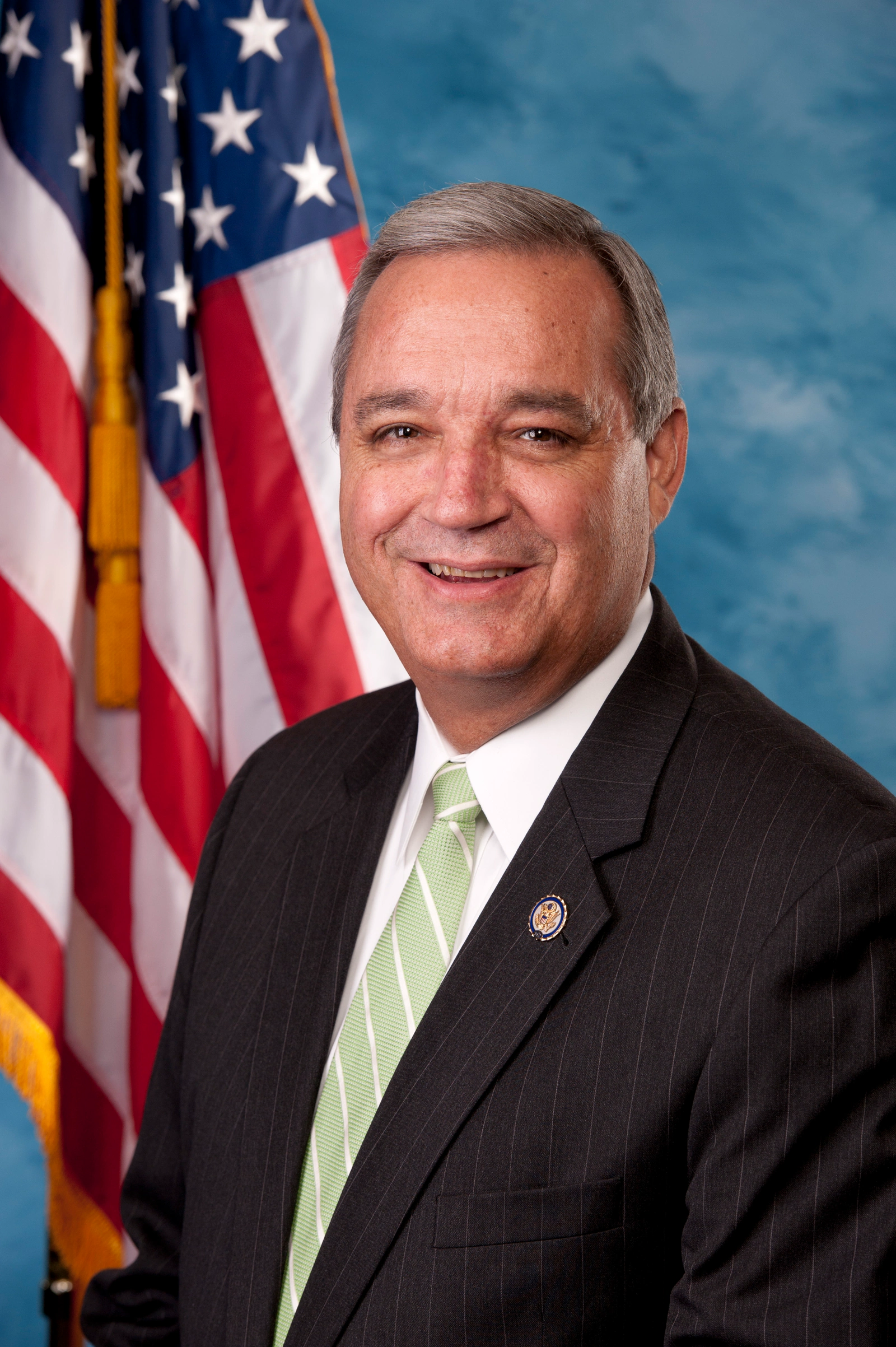
| 27 Quotes | |
| Occup. | Politician |
| From | USA |
| Born | June 27, 1959 USA |
| Age | 66 years |
| Cite | |
Citation Formats
APA Style (7th ed.)
Jeff miller biography, facts and quotes. (2026, February 11). FixQuotes. https://fixquotes.com/authors/jeff-miller/
Chicago Style
"Jeff Miller biography, facts and quotes." FixQuotes. February 11, 2026. https://fixquotes.com/authors/jeff-miller/.
MLA Style (9th ed.)
"Jeff Miller biography, facts and quotes." FixQuotes, 11 Feb. 2026, https://fixquotes.com/authors/jeff-miller/. Accessed 6 Mar. 2026.
Early Life and Background
Jeff Miller was born June 27, 1959, in the United States and came of age during the long hangover of Vietnam, Watergate, and stagflation - years that made questions of trust, patriotism, and government competence unusually personal for a generation watching institutions wobble on live television. His political identity would later be built around a soldier-citizen ideal and a suspicion of bureaucratic drift, the kind of outlook that fits an era when the Cold War still framed civic duty as an everyday obligation rather than an abstract virtue.He settled his adult life in Florida's Panhandle, a region where military installations, veterans' communities, and small-business conservatism overlap. The local culture - proud, sometimes combative about outside judgment, and attentive to national-security and Second Amendment debates - supplied the emotional geography of his later rhetoric: government should be limited, honor should be public, and outsiders should not dictate terms to a place that sees itself as bearing a disproportionate share of the nation's defense burden.
Education and Formative Influences
Miller graduated from the University of Florida with a degree in business administration, an education that steered him toward the language of budgets, incentives, and institutional guardrails. Like many Sunbelt conservatives shaped by the Reagan years, he absorbed the idea that prosperity and cohesion come less from new social engineering than from strong civic habits, a steady legal framework, and a national story capable of binding together an increasingly plural society.Career, Major Works, and Turning Points
After work in business and local civic life, Miller entered electoral politics and won a seat in the U.S. House of Representatives, serving Florida's 1st congressional district from 2001 to 2017. In Washington he became best known as a defense-oriented Republican and, crucially, as chairman of the House Veterans' Affairs Committee (2013-2017), where oversight of the Department of Veterans Affairs became a defining battlefield. The VA wait-time scandal in 2014 turned his chairmanship into a high-stakes test of whether Congress could force a sprawling bureaucracy to honor promises made to service members; the period brought headline investigations, legislative bargaining, and an insistence that institutional failure was not merely managerial but moral.Philosophy, Style, and Themes
Miller's inner political psychology was anchored in a reciprocity ethic: citizens owe the republic loyalty and labor, and the republic owes its defenders competent care and public respect. He framed that obligation in almost liturgical terms, as when he said, “The willingness of America's veterans to sacrifice for our country has earned them our lasting gratitude”. In his political mind, gratitude was not sentiment but a measurable duty - expressed through hospital access, benefits integrity, and administrative accountability - and he treated failures of the VA as a kind of breach of faith.His style mixed small-government proceduralism with cultural and security hawkishness. He argued that national cohesion depends on civic virtues rather than constant reinvention, capturing a traditionalist concern about social fragmentation in the claim, “That future depends on the values of self-government, our sense of duty, loyalty, self-confidence and regard for the common good. We are a diverse country, and getting more diverse. And these virtues are what keep this great country together”. At the same time, his approach to civil liberties and public safety leaned toward enforcement-first conservatism: “As a strong supporter of our 2nd Amendment rights, I believe tougher enforcement of our nation's existing gun laws must be done before any more laws are enacted and put on the books”. Taken together, these themes reveal a legislator less interested in ideological novelty than in maintaining a moral order he believed was already encoded in the Constitution, the military ethic, and inherited social institutions.
Legacy and Influence
Miller's enduring influence lies less in a single signature statute than in his role as an aggressive overseer during a formative crisis of veterans' care, when public patience with administrative delay collapsed. In a post-9/11 era that elevated "support the troops" to a civic mantra, he pushed the slogan toward institutional consequences - hearings, audits, and structural pressure on the VA - and helped set a template for how congressional Republicans could blend moral language with managerial reform. His biography, rooted in Florida's defense-conscious Panhandle and forged in Washington during years of war and polarization, remains a case study in how veteran-centered politics became one of the most emotionally potent and politically durable currents in early 21st-century conservatism.Our collection contains 27 quotes written by Jeff, under the main topics: Justice - Freedom - Kindness - Equality - Knowledge.
Other people related to Jeff: Tommy Rettig (Actor)
Source / external links