
Jeremy Lin Biography Quotes 21 Report mistakes
| 21 Quotes | |
| Born as | Jeremy Shu-How Lin |
| Known as | Linsanity |
| Occup. | Athlete |
| From | USA |
| Born | August 23, 1988 Los Angeles, California, USA |
| Age | 37 years |
| Cite | |
Citation Formats
APA Style (7th ed.)
Jeremy lin biography, facts and quotes. (2026, February 20). FixQuotes. https://fixquotes.com/authors/jeremy-lin/
Chicago Style
"Jeremy Lin biography, facts and quotes." FixQuotes. February 20, 2026. https://fixquotes.com/authors/jeremy-lin/.
MLA Style (9th ed.)
"Jeremy Lin biography, facts and quotes." FixQuotes, 20 Feb. 2026, https://fixquotes.com/authors/jeremy-lin/. Accessed 6 Mar. 2026.
Early Life and Background
Jeremy Shu-How Lin was born on August 23, 1988, in Los Angeles County, California, and raised in the Bay Area in a Taiwanese American family shaped by church life, immigrant pragmatism, and an insistence on education as security. He grew up in Palo Alto, a place that could feel like a laboratory of American meritocracy - high-achieving schools, tech-fueled confidence, and a quiet pressure to be exceptional. Lin and his two brothers were steeped in basketball early, but also in the idea that being Asian American in a visible sport meant being evaluated twice: once for performance, and again against a template that rarely included faces like his.At Palo Alto High School he became a local star, leading the Vikings to a California Division II state title in 2006, yet the larger basketball economy treated him like an anomaly rather than a prospect. Recruiting indifference was not merely about height or speed; it reflected scouting habits that coded Asian American athletes as novelty. That early collision - public dominance paired with institutional doubt - formed a private engine: an ability to live with disrespect without letting it define the next possession.
Education and Formative Influences
Lin enrolled at Harvard University in 2006, where the Ivy League offered both opportunity and constraint: a national stage but a smaller megaphone than power-conference basketball. Under coach Tommy Amaker, he became one of the best players in program history, finishing among the Ivy League leaders in scoring and earning All-Ivy honors, including first team recognition. Harvard sharpened his processing speed - reading defenses, absorbing criticism, managing time - and it also trained him in a particular kind of resilience: the willingness to be underestimated by people who believed they were being objective.Career, Major Works, and Turning Points
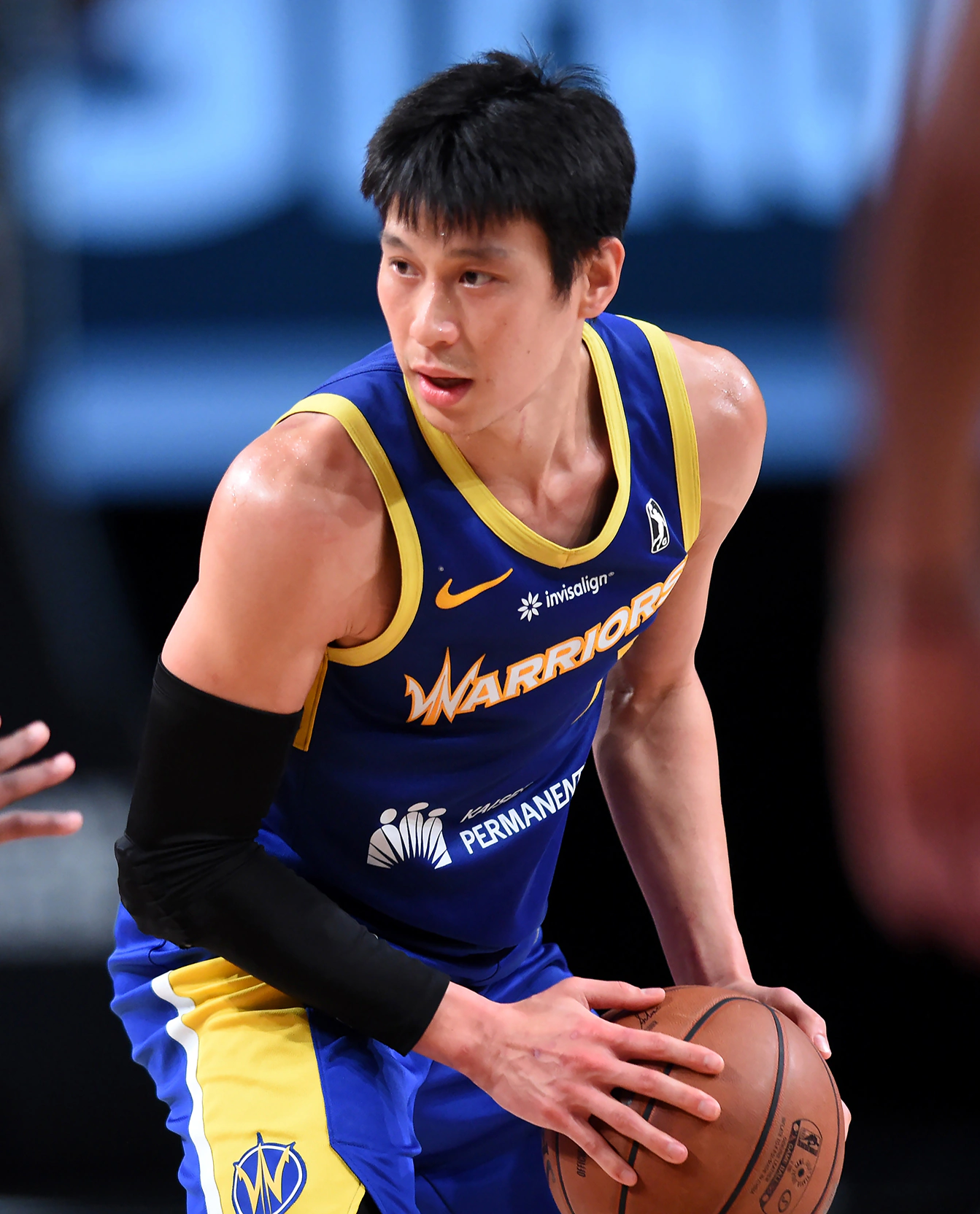
Undrafted in 2010, Lin signed with the Golden State Warriors, then bounced through the NBA margins - waived, reassigned, and auditioning nightly - with stops that included the Houston Rockets and a brief stint with the New York Knicks. In February 2012, injuries and necessity opened a door, and "Linsanity" followed: a surge of late-game poise, pick-and-roll creativity, and fearless drives that turned Madison Square Garden into a daily referendum on who gets to be a basketball protagonist. The Knicks did not retain him; he signed with Houston, later playing for the Los Angeles Lakers, Charlotte Hornets, Brooklyn Nets, Atlanta Hawks, Toronto Raptors, and others. Injuries, particularly significant knee setbacks in Brooklyn, interrupted momentum, but he remained a valued guard, eventually winning an NBA championship with the 2018-19 Raptors. Later chapters took him to the Chinese Basketball Association and back into the global currents that had always followed his name.Philosophy, Style, and Themes
Lin played like a thinker forced to act fast: a guard who depended on timing, angles, and the courage to attack the rim. His best stretches fused burst with calculation - turning the corner, drawing help, then making the simple pass that looks obvious only after it works. The public often focused on what he symbolized, but his daily craft was quieter: studying coverages, absorbing contact, and accepting that one injury or one cold week could rewrite the story. Fame taught him that attention is not the same as understanding, and he learned to navigate a life where identity and performance were constantly braided together.Under that pressure, Lin articulated a psychology of purpose rather than vindication. “I'm not playing to prove anything to anybody”. The line reads as self-protection and also as strategy: remove the imagined jury, and the game becomes solvable again. Yet he never pretended symbolism was optional. “I want to be a representative and be a role model for the Asian American community”. is both vow and burden, a recognition that visibility can serve others even when it complicates the self. His faith became a counterweight to control in an industry built on contracts and contingencies: “There is so much temptation to hold on to my career even more now... I'm thinking about how can I trust God more. How can I surrender more? How can I bring him more glory? It's a fight”. In Lin, ambition and surrender coexist - not as a slogan, but as a lived negotiation.
Legacy and Influence
Lin's enduring influence is twofold: a basketball case study in late-blooming opportunity, and a cultural milestone that expanded who could be imagined at the sport's center. "Linsanity" became a shorthand for improbable ascent, but its deeper legacy lies in the young Asian American athletes who no longer have to treat visibility as an exception. He also modeled a modern athlete's interior complexity - grateful, scrutinized, devout, ambitious, and imperfect - and his career remains a reminder that a breakout can be real even if it is not permanent, and that representation can be both gift and responsibility.Our collection contains 21 quotes written by Jeremy, under the main topics: Witty One-Liners - Motivational - Love - Leadership - Learning.
Source / external links