
Jerry Falwell Biography Quotes 33 Report mistakes
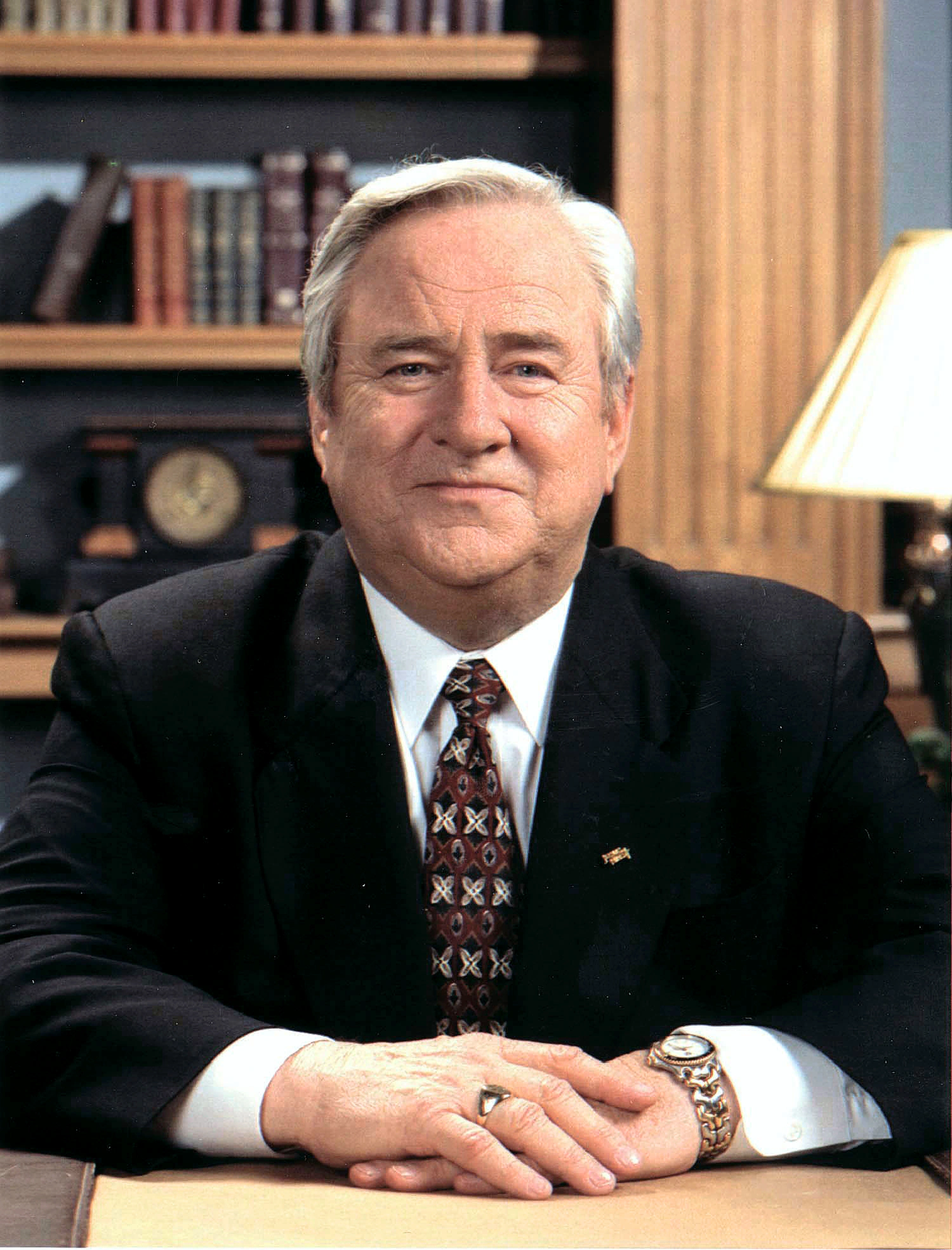
| 33 Quotes | |
| Born as | Jerry Lamon Falwell |
| Known as | Jerry Falwell Sr. |
| Occup. | Clergyman |
| From | USA |
| Born | August 11, 1933 Lynchburg, Virginia, United States |
| Died | May 15, 2007 Lynchburg, Virginia, United States |
| Cause | Heart attack |
| Aged | 73 years |
| Cite | |
Citation Formats
APA Style (7th ed.)
Jerry falwell biography, facts and quotes. (2026, February 17). FixQuotes. https://fixquotes.com/authors/jerry-falwell/
Chicago Style
"Jerry Falwell biography, facts and quotes." FixQuotes. February 17, 2026. https://fixquotes.com/authors/jerry-falwell/.
MLA Style (9th ed.)
"Jerry Falwell biography, facts and quotes." FixQuotes, 17 Feb. 2026, https://fixquotes.com/authors/jerry-falwell/. Accessed 5 Mar. 2026.
Early Life and Background
Jerry Lamon Falwell was born on August 11, 1933, in Lynchburg, Virginia, a Blue Ridge mill-and-tobacco town where New Deal-era hardship and postwar aspiration lived side by side. His father, Carey Heeter Falwell, ran businesses tied to the region's commerce and was known locally for gambling and drinking; his mother, Helen Beasley Falwell, pushed steadier domestic order. That split between convivial vice and strict respectability became an early template for Falwell's later preaching: public sin, private fear, and the promise of a cleansed life.Raised in the segregated South, Falwell came of age amid the unsettling churn of Brown v. Board of Education (1954), church-based social authority, and the emergence of television as a new pulpit. Friends and later biographers describe a boy who learned to read a room quickly - ambitious, competitive, and keenly aware that charisma could compensate for insecurity. The era's anxieties about modernity, sexuality, and national decline would later become the emotional fuel of his ministry.
Education and Formative Influences
Falwell attended Baptist Bible College in Springfield, Missouri (now Clark Summit University), graduating in 1956, and was ordained in the Baptist tradition. He absorbed a fundamentalist confidence in biblical inerrancy and a revivalist skill set designed for speed: direct appeals, clear villains, and urgent calls to decision. Returning to Lynchburg, he carried not only doctrine but a practical blueprint for building institutions - Sunday school growth, youth programs, media, and fundraising - learned from mid-century evangelistic entrepreneurs.Career, Major Works, and Turning Points
In 1956, at 22, Falwell founded Thomas Road Baptist Church in Lynchburg, turning a small congregation into one of the nation's largest independent Baptist churches through relentless programming and broadcast outreach, including the "Old Time Gospel Hour". After decades of urging pastors to avoid electoral politics, he reversed course in the late 1970s, co-founding the Moral Majority (1979) and helping fuse white evangelical networks with Republican strategy around abortion, school prayer, feminism, and sexual permissiveness. He later built Liberty Baptist College into Liberty University, establishing a pipeline for clergy, activists, and conservative professionals. His influence peaked in the Reagan era and persisted through the culture wars of the 1990s and early 2000s, even as controversies - including inflammatory remarks after the September 11 attacks and clashes within Baptist life - hardened his national reputation as both movement architect and lightning rod. Falwell died on May 15, 2007, in Lynchburg.Philosophy, Style, and Themes
Falwell's inner life, as reflected in his preaching and public statements, was organized around certainty as a moral refuge. He framed scripture as a fixed court of appeal in a world he believed was dissolving into relativism: “I believe with all my heart that the Bible is the infallible word of God”. That conviction did not simply guide his theology; it provided psychological armor, allowing him to present complicated social change as disobedience with consequences. His rhetoric often treated national events as moral diagnostics, revealing a pastor's impulse to assign meaning to catastrophe and to reassert control when history felt chaotic.His style was plainspoken and prosecutorial, built for television and for political mobilization: repeatable phrases, vivid threats, and a sharp boundary between the righteous remnant and a corrupt mainstream. When he argued, “We will see a breakdown of the family and family values if we decide to approve same-sex marriage, and if we decide to establish homosexuality as an acceptable alternative lifestyle with all the benefits that go with equating it with the heterosexual lifestyle”. , he was not only stating policy preference; he was narrating an apocalypse of intimacy, where private behavior became a public contagion. His harshest formulations exposed the movement's punitive underside and his own need for moral causality: “AIDS is not just God's punishment for homosexuals; it is God's punishment for the society that tolerates homosexuals”. Such lines helped galvanize supporters who felt besieged, but they also narrowed his empathy, turning pastoral care into cultural prosecution.
Legacy and Influence
Falwell left behind a durable architecture of American evangelical power: the megachurch as media hub, the university as movement factory, and the political action network as an extension of the pulpit. He helped normalize the idea that conservative Protestants could be a decisive voting bloc and that theology could be translated into legislation and judicial strategy, shaping debates over abortion, LGBTQ rights, and religious liberty for decades. Yet his legacy is inseparable from the costs of that fusion - the hardening of partisan identity inside churches, the public association of Christianity with condemnation, and a model of leadership that could inspire institutional genius while amplifying fear as a civic argument.Our collection contains 33 quotes written by Jerry, under the main topics: Ethics & Morality - Justice - Sarcastic - Work Ethic - Equality.
Other people related to Jerry: Jim Bakker (Celebrity), John Shelby Spong (Clergyman), Cal Thomas (Journalist)
Source / external links