
Jill Dando Biography Quotes 3 Report mistakes
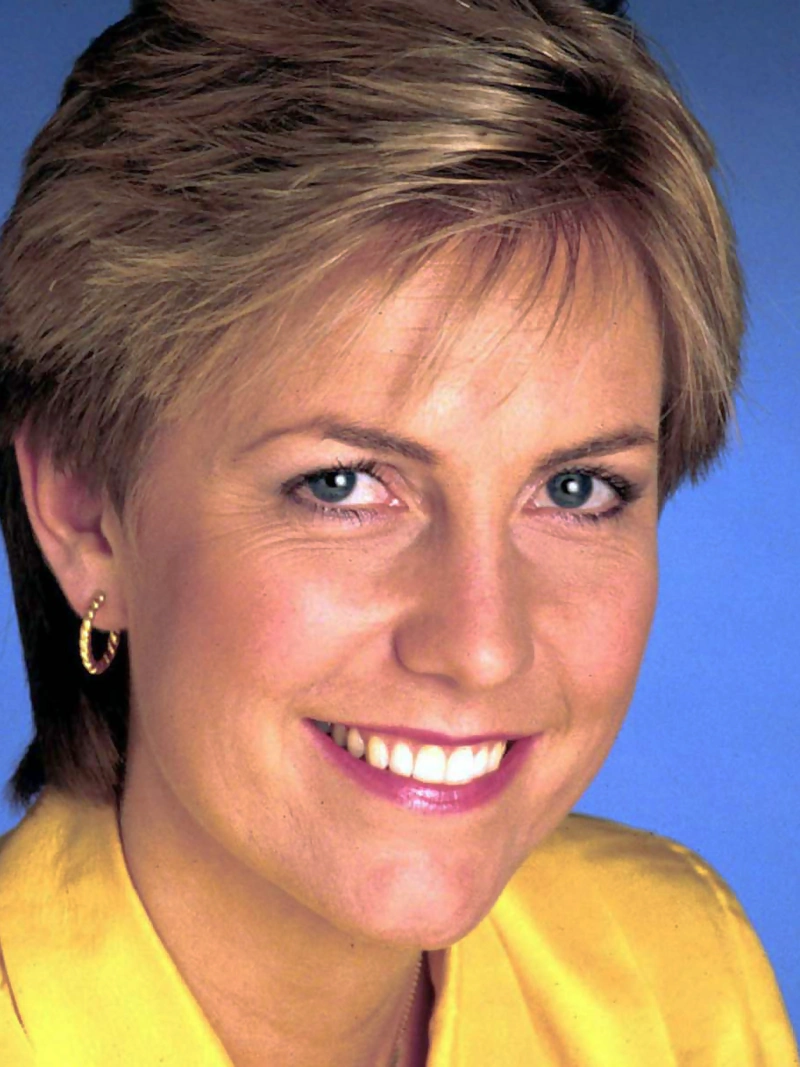
Attr: The Guardian
| 3 Quotes | |
| Occup. | Journalist |
| From | United Kingdom |
| Born | November 9, 1961 Weston-super-Mare, Somerset, England |
| Died | April 26, 1999 Fulham, London, England |
| Cause | murder (gunshot) |
| Aged | 37 years |
| Cite | |
Citation Formats
APA Style (7th ed.)
Jill dando biography, facts and quotes. (2026, February 11). FixQuotes. https://fixquotes.com/authors/jill-dando/
Chicago Style
"Jill Dando biography, facts and quotes." FixQuotes. February 11, 2026. https://fixquotes.com/authors/jill-dando/.
MLA Style (9th ed.)
"Jill Dando biography, facts and quotes." FixQuotes, 11 Feb. 2026, https://fixquotes.com/authors/jill-dando/. Accessed 12 Feb. 2026.
Early Life and Family
Jill Wendy Dando was born on November 9, 1961, in Weston-super-Mare, Somerset, England. She grew up in a close, community-minded family, the daughter of Jack Dando and Winifred (Jean) Dando. Her older brother, Nigel Dando, became a formative influence on her life and career, introducing her to journalism and encouraging her early interest in news. The Dando household valued service, steadiness, and public-spiritedness, qualities that would become hallmarks of Jill's professional persona and public reputation.Training and Early Journalism
Following schooling in the Weston-super-Mare area, Jill trained formally as a journalist in Cardiff at the South Glamorgan Institute of Higher Education. She began her career at the local newspaper, the Weston Mercury, where she learned the craft at street level: council meetings, community features, and the meticulous routines of local reporting. Working alongside her brother Nigel in regional journalism gave her a grounding in accuracy and empathy, and she became known for a clear, approachable style that translated well to broadcast media.Rise at the BBC
In the mid-1980s Jill moved into broadcasting, joining BBC Radio Devon before progressing to television with BBC Spotlight in the South West. Her warmth, composure, and crisp delivery quickly drew notice, and by 1988 she had moved to London to work on national programs. She presented BBC Breakfast News and was a regular face on the Six O'Clock News, developing a screen presence that combined authority with an accessible, friendly manner.From 1989, she also presented the popular travel series Holiday on BBC One. The program showcased a different side of her broadcasting range: light, engaging, and curious, yet still carefully informative. She regularly handled breaking news as well as feature segments, and her versatility made her one of the most recognizable BBC presenters of the 1990s.
Crimewatch and Public Service
In 1995 Jill joined Crimewatch, co-presenting with Nick Ross. The program sought public help in solving crimes by reconstructing incidents and profiling wanted suspects. Working with Ross and alongside police investigators, Jill learned to navigate delicate interviews with victims and officers, bringing sensitivity to a format that needed both clarity and compassion. Her credibility and calm were essential to Crimewatch's mission, and she helped maintain viewer trust in a program that balanced public safety, investigative appeal, and national broadcasting standards. She followed in a line of respected presenters that included Sue Cook, and quickly made the role her own.Personal Life
Jill's personal life remained largely private despite her high profile. She was close to her parents Jack and Jean and to her brother Nigel, who continued his own career in journalism. In 1999 she became engaged to Alan Farthing, a consultant gynaecologist. The couple planned to marry later that year. Friends and colleagues often described Jill as thoughtful and grounded, with a calm demeanor off screen that matched the professionalism seen on air. Her circle included fellow BBC journalists and producers who worked with her through demanding news cycles and the distinctive pressures of a live, public-facing career.Death and Investigation
On April 26, 1999, Jill Dando was shot outside her home on Gowan Avenue in Fulham, London. She had left Alan Farthing's house in Chiswick earlier that morning and stopped at her Fulham property. The attack occurred in daylight on her doorstep. She was taken to hospital but could not be saved. Her death shocked the United Kingdom. It was not only the loss of a prominent broadcaster but an assault on the sense of safety in an ordinary London neighborhood.The Metropolitan Police launched a major investigation, often referred to as Operation Oxborough, led by senior detectives including Detective Chief Inspector Hamish Campbell. After an extensive inquiry, Barry George was arrested and, in 2001, convicted of Jill Dando's murder. Years later, that conviction was quashed on appeal in 2007, and in 2008 George was acquitted at retrial. The case remains officially unsolved, with investigators and the public left with questions about motive and method. Speculation around the case has persisted, but in the absence of definitive evidence the central facts are stark: a single, targeted attack on a much-admired public figure, and a family, including Nigel Dando and Jill's parents, left without clear answers.
Legacy
The breadth of Jill Dando's work across news, features, and factual programming helped define a broadcasting ideal: authoritative yet warm, serious yet humane. Her presentations on Breakfast News, the Six O'Clock News, and Holiday demonstrated a range that few achieve, while Crimewatch placed her at the intersection of journalism and public service. Nick Ross and many BBC colleagues remembered her as a steadying presence, someone who could deliver difficult information without sensationalism and interview people in distress with dignity.In 2001, the Jill Dando Institute of Security and Crime Science was established at University College London. Supported by figures from broadcasting and law enforcement, including colleagues such as Nick Ross and members of the Metropolitan Police, it was conceived as a practical, research-based response to the challenges highlighted by her death. The institute promotes evidence-led approaches to crime prevention and security, a mission that echoes the ethos of Crimewatch and Jill's belief in public service journalism.
Back in Somerset, her hometown community continued to honor her in ways both formal and personal, remembering a local reporter who rose to national prominence without losing her sense of place. For her brother Nigel and her parents Jack and Jean, the tributes underscored how deeply Jill's character resonated with audiences. Her legacy includes not only the institutional work carried forward in her name but also a standard for careful, empathetic reporting. In the pantheon of British broadcasting, Jill Dando is remembered as a trusted presence in viewers' homes and a journalist whose life and work continue to influence how the media approaches stories that touch the public directly.
Impact and Remembrance
Over time, Jill Dando's story has become part of the national conversation about the role of journalists in civic life. Colleagues and viewers remember her poise and generosity, while the unsolved nature of her killing keeps attention on victim support, investigative rigor, and public cooperation with law enforcement. Alan Farthing, who had planned a future with her, and friends from the BBC community marked anniversaries privately and publicly, reflecting on a life shaped by professionalism and kindness. The continuing work of the Jill Dando Institute, along with ongoing public interest in her case, ensures that her contributions to journalism and to public safety remain visible. Through the people she worked with and the institutions that bear her name, Jill Dando's influence endures as a model of what broadcast journalism can do at its best.Our collection contains 3 quotes written by Jill, under the main topics: Quitting Job - Career - Wedding.