
Jim Gerlach Biography Quotes 29 Report mistakes
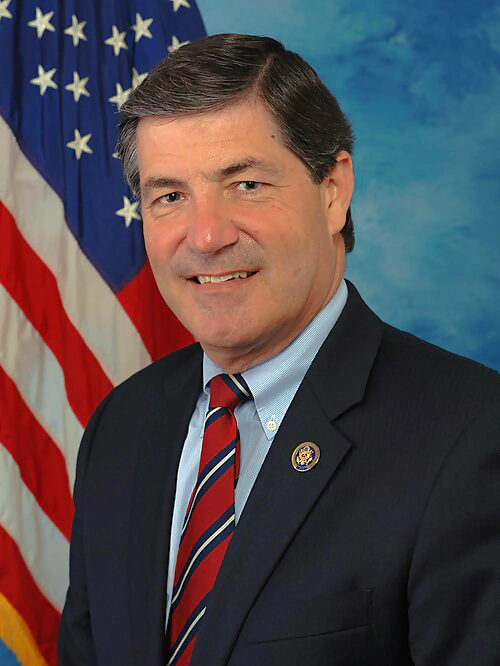
| 29 Quotes | |
| Occup. | Politician |
| From | USA |
| Born | February 25, 1955 |
| Age | 70 years |
| Cite | |
Citation Formats
APA Style (7th ed.)
Jim gerlach biography, facts and quotes. (2026, February 11). FixQuotes. https://fixquotes.com/authors/jim-gerlach/
Chicago Style
"Jim Gerlach biography, facts and quotes." FixQuotes. February 11, 2026. https://fixquotes.com/authors/jim-gerlach/.
MLA Style (9th ed.)
"Jim Gerlach biography, facts and quotes." FixQuotes, 11 Feb. 2026, https://fixquotes.com/authors/jim-gerlach/. Accessed 12 Feb. 2026.
Overview
Jim Gerlach is an American public servant and attorney best known for representing Pennsylvania in the U.S. House of Representatives from 2003 to 2015. A Republican who built a reputation as a pragmatic, district-focused lawmaker, he navigated one of the most competitive suburban constituencies in the state through multiple election cycles. His career bridged service in the Pennsylvania General Assembly and the U.S. Congress, where he concentrated on tax policy, health care, transportation, and land conservation, often working with colleagues across the aisle to address regional priorities.Early Life and Education
Born in the mid-1950s, Gerlach grew up in Pennsylvania at a time when the state was undergoing economic and demographic shifts from its industrial past to a more diversified economy. He pursued higher education in the state and trained as an attorney. Legal training would shape his approach to legislative work, grounding his political career in attention to statutory detail and the practical implications of policy for households, small businesses, and local governments.Legal and Local Engagement
Before entering elected office, Gerlach practiced law and became active in community and regional affairs in southeastern Pennsylvania. Engagement with municipal issues, land-use questions, and the needs of growing suburban townships introduced him to the balancing act between economic growth, transportation capacity, and open-space preservation. These early experiences informed a consistent interest in conservation easements, farmland preservation, and tax incentives that support responsible development.State Legislative Career
Gerlach entered the Pennsylvania House of Representatives in the early 1990s and later served in the Pennsylvania Senate, representing parts of Chester County and nearby communities. In Harrisburg, he worked amid the administrations of Governors Tom Ridge and Ed Rendell, participating in debates on education funding, property tax relief, transportation improvements, and environmental stewardship. His support for open-space initiatives and pragmatic tax measures reflected the priorities of fast-growing suburban areas seeking to protect quality of life without stifling economic opportunity. During these years he also formed working relationships with fellow legislators who would remain important collaborators and counterparts throughout his federal career.U.S. House of Representatives
Elected to the U.S. House in 2002 from Pennsylvania's 6th Congressional District, Gerlach served six terms, stepping down in 2015. The district, centered on portions of Chester, Montgomery, and Berks Counties, was among the most competitive in the state. He served on committees that aligned with his policy interests, including assignments touching tax, health, and trade issues, and he became known for detail-oriented work that emphasized the fiscal impact of legislation and the needs of employers and families in his district. He also played a role in caucuses and issue groups focused on conservation and moderate governance, reflecting his constituency's mixed political outlook.
Policy Priorities and Legislative Work
Gerlach's legislative portfolio featured efforts to:- Promote tax policies supportive of small and medium-sized businesses while seeking fiscal discipline.
- Strengthen transportation infrastructure, including roads and rail, essential to the Philadelphia suburbs and regional freight corridors.
- Encourage land conservation through incentives for conservation easements and farmland preservation, a hallmark of Chester County's planning ethos.
- Address health policy questions, with attention to how federal insurance and reimbursement structures affected providers and patients in suburban and rural settings.
He routinely worked with members of both parties on targeted bills, particularly where federal policy intersected with local land use, environmental stewardship, and economic development.
Campaigns and Elections
Gerlach's elections became recurring tests of political balance in a swing district. In his initial 2002 campaign, he faced Democrat Dan Wofford, a race that established the pattern of close contests decided on turnout and persuasion. He later defeated Democratic challenger Lois Murphy in both 2004 and 2006, prevailing in particularly tight races that drew national attention and substantial involvement from party committees led at the time by figures such as Dennis Hastert and Nancy Pelosi on the House leadership sides. In 2008 he defeated Bob Roggio, and in 2010 and 2012 he turned back challenges from Manan Trivedi. These campaigns, often among the most competitive in the country, underscored his emphasis on constituent service and a moderate image to retain crossover support.Relationships and Influences
Key figures around Gerlach's career included political opponents who helped define the contours of his races, such as Dan Wofford, Lois Murphy, Bob Roggio, and Manan Trivedi. Within Pennsylvania's delegation, he worked alongside Republicans such as Joe Pitts and Charlie Dent and engaged with Democrats like Allyson Schwartz and Bob Brady on regional matters. In the Senate, Arlen Specter and Bob Casey Jr. were regular partners on Pennsylvania-focused priorities, while later in his tenure Pat Toomey joined the state's federal team. In leadership, he served during periods dominated by Speakers Dennis Hastert, Nancy Pelosi, and John Boehner, navigating national party dynamics while maintaining a district-first approach. At the state level, the policy climate shaped by Governors Tom Ridge and Ed Rendell influenced his earlier legislative agenda, and he later intersected with the administration of Governor Tom Corbett when evaluating statewide issues such as infrastructure and economic competitiveness. Family was a steady anchor, and he often referenced the perspective of his wife and children when discussing how legislation affected everyday life in suburban communities.Gubernatorial Exploration
Reflecting his statewide profile, Gerlach briefly explored a campaign for governor during the 2010 cycle. The exploratory effort highlighted his interest in fiscal management, job growth, and government reform. He ultimately chose to continue serving in the U.S. House, citing the demands of representing a closely divided district and the value of seniority on key policy committees.Later Career and Civic Involvement
After leaving Congress in 2015, Gerlach continued working in public policy and economic development. He held leadership roles in business advocacy, advising employers on how federal and state policies affected investment and workforce needs, and later contributed to regional chamber of commerce initiatives in Pennsylvania. These positions allowed him to remain engaged with transportation, tax, and workforce development issues and to collaborate with local officials, nonprofit leaders, and industry executives on strategies to strengthen the regional economy.Personal Life
Grounded in Pennsylvania's civic life, Gerlach balanced public service with family commitments and community involvement. He participated in local charitable and educational initiatives, reflecting longstanding interests in youth development, conservation, and civic education. His personal narrative, shaped by legal training and pragmatic politics, reinforced a reputation for steady, detail-oriented service.Legacy and Impact
Jim Gerlach's legacy rests on his ability to represent a politically diverse suburban district through multiple cycles of national change, emphasizing constituent service and coalition building. His work on tax and transportation policy and his advocacy for conservation helped shape the physical and economic landscape of southeastern Pennsylvania. By cultivating working relationships with opponents and colleagues alike, he exemplified an approach to governance that favored incremental progress, practical problem-solving, and respect for the varied priorities of the communities he served.Our collection contains 29 quotes written by Jim, under the main topics: Freedom - Sports - Human Rights - Tough Times - Doctor.