
Jim Hightower Biography Quotes 23 Report mistakes
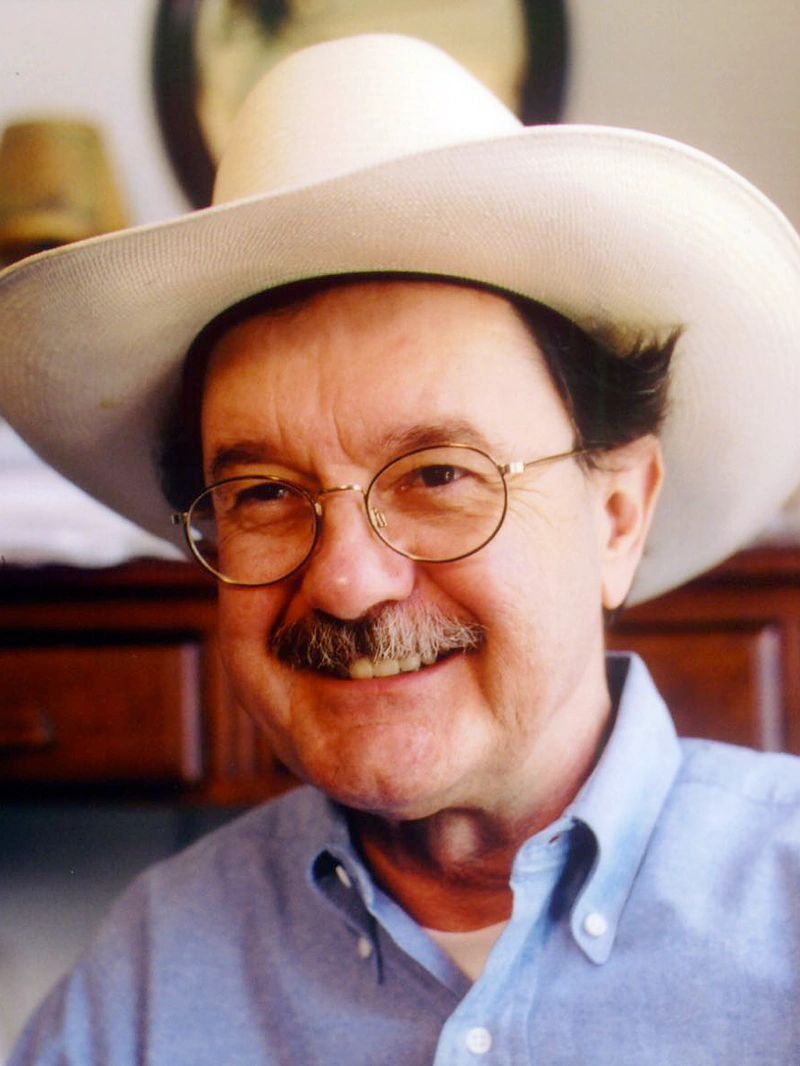
| 23 Quotes | |
| Born as | James Allen Hightower |
| Occup. | Activist |
| From | USA |
| Born | January 11, 1943 Denison, Texas, United States |
| Age | 83 years |
| Cite | |
Citation Formats
APA Style (7th ed.)
Jim hightower biography, facts and quotes. (2026, February 11). FixQuotes. https://fixquotes.com/authors/jim-hightower/
Chicago Style
"Jim Hightower biography, facts and quotes." FixQuotes. February 11, 2026. https://fixquotes.com/authors/jim-hightower/.
MLA Style (9th ed.)
"Jim Hightower biography, facts and quotes." FixQuotes, 11 Feb. 2026, https://fixquotes.com/authors/jim-hightower/. Accessed 5 Apr. 2026.
Early Life and Background
James Allen Hightower was born January 11, 1943, in Denison, Texas, a railroad-and-river town near the Oklahoma line whose populist instincts were shaped by farm economics, oil money, and courthouse politics. Growing up in North Texas in the postwar years, he absorbed the language of small producers and working people - the rhythms of county fairs, feed stores, and local newspapers - along with the hard lesson that the winners of "free enterprise" were often those who could write the rules.Texas in Hightower's youth was defined by one-party Democratic dominance, segregated public life, and the long shadow of corporate extraction industries. The region's contradictions - neighborly intimacy beside entrenched hierarchy - became his lifelong subject. He developed a voice that sounded like home but carried an argument: plain talk could be a scalpel, and humor a delivery system for anger.
Education and Formative Influences
Hightower attended Denison schools and then college in Texas, where the 1960s' collisions of civil rights, Vietnam-era dissent, and the modernization of the Sun Belt sharpened his distrust of concentrated power. He was influenced by earlier Southern and Plains populists, by the practical ethics of union and farm organizing, and by the craft of journalism - especially the idea that politics should be narrated in human terms rather than abstractions. By the time he entered public life, he had learned to translate policy into kitchen-table stakes and to treat rhetoric not as ornament but as mobilization.Career, Major Works, and Turning Points
Hightower built his reputation as a progressive populist activist, writer, and speaker, gaining national visibility after winning statewide office as Texas Commissioner of Agriculture in 1982. In that role he attacked agribusiness consolidation, promoted family farmers, and used the office as a platform for consumer and environmental advocacy, which made him both beloved and polarizing in a state racing toward corporate-friendly deregulation. He later founded the Hightower Lowdown newsletter and became a widely syndicated commentator and public speaker; his books and media appearances extended his message beyond Texas, and his organizational work supported grassroots candidates and issue campaigns. A key turning point came in the late 1980s and early 1990s, when the conservative realignment of Texas politics and the growing influence of corporate money pushed him from officeholder to full-time outside agitator - a transition that clarified his role as a permanent opposition voice rather than a party functionary.Philosophy, Style, and Themes
Hightower's worldview is classic American populism updated for the era of multinational capital: democracy erodes when economic power becomes political power, and citizens lose agency when politics becomes a spectator sport. He frames conflict less as ideological theater than as a struggle over who gets the benefits of growth and who pays the costs. That is why he insists, “Politics isn't about left versus right; it's about top versus bottom”. The line is not a slogan to him but a diagnostic tool - a way to locate corruption in boardroom pipelines, regulatory capture, and the quiet rewriting of public policy to serve private concentration.His style is comedic but not cute - a Texas storyteller's cadence used to smuggle hard critique past cynicism. He uses jokes to lower defenses, then pivots into indictment; the laughter is meant to become solidarity. His contempt is reserved less for ordinary conservatives than for systems that train people into passivity, which is why he warns, “The opposite for courage is not cowardice, it is conformity. Even a dead fish can go with the flow”. And his most famous road metaphor captures a psychological refusal to be domesticated by false balance: “There's nothing in the middle of the road but a yellow stripe and dead armadillos”. In Hightower's inner life, moderation is not virtue when it masks surrender; the moral task is to choose a side, take a stand, and keep moving.
Legacy and Influence
Hightower endures as one of the most recognizable voices of modern progressive populism - a bridge between New Deal-era suspicion of monopoly power and contemporary grassroots activism against corporate dominance. He helped popularize a vernacular of accountability that many later organizers, comedians, and political communicators borrowed: local color paired with structural analysis, outrage disciplined by specificity, and hope grounded in organizing rather than charisma. In Texas political memory he remains a symbol of a different trajectory the state might have taken, and nationally he stands as a reminder that democracy is not merely a set of institutions but a culture that must be defended in public, loudly, and without apology.Our collection contains 23 quotes written by Jim, under the main topics: Witty One-Liners - Motivational - Wisdom - Justice - Freedom.
Other people related to Jim: John C. White (Politician)