
Jim Rohn Biography Quotes 59 Report mistakes
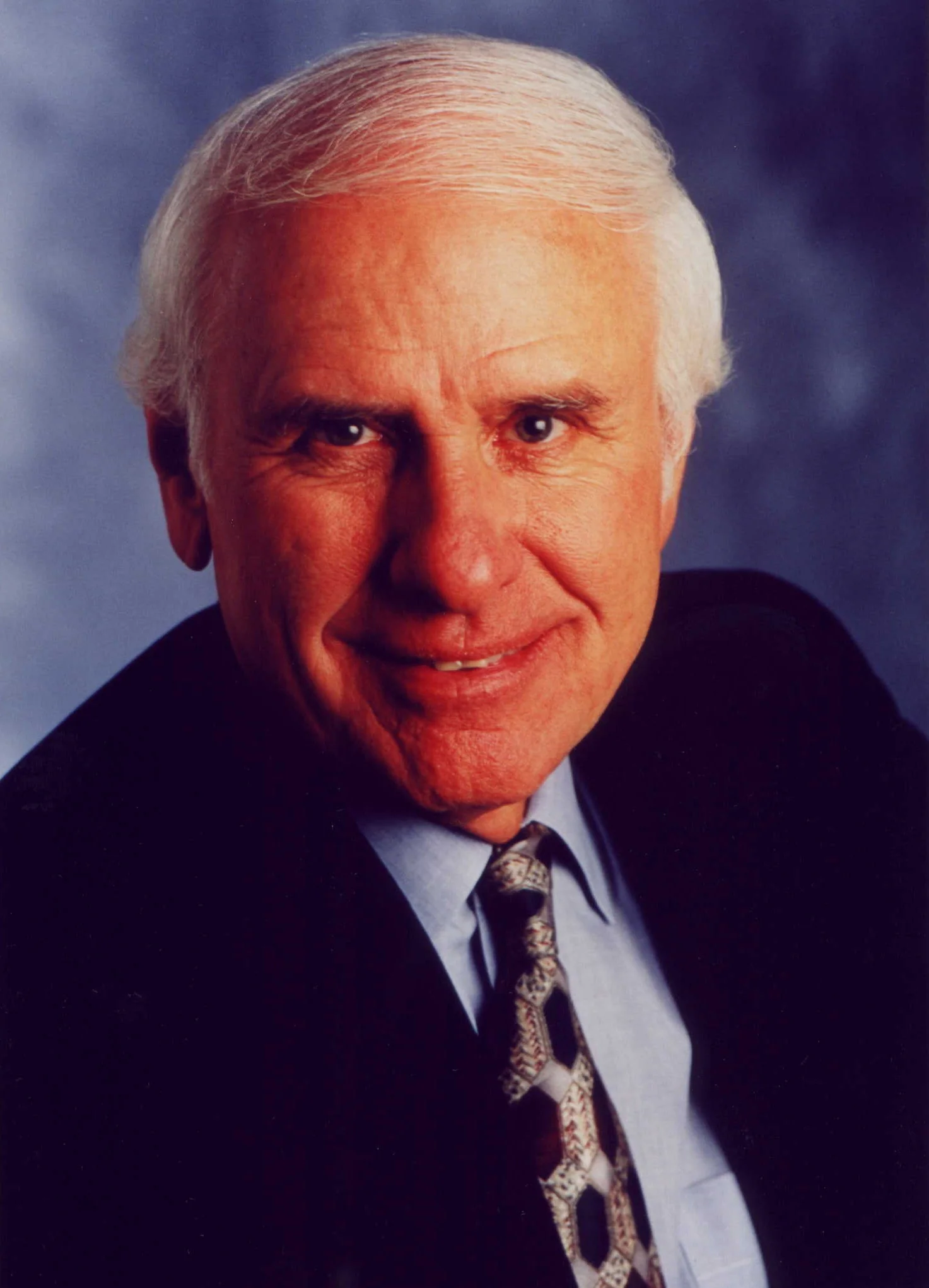
| 59 Quotes | |
| Occup. | Businessman |
| From | USA |
| Spouse | Margaret Rohn |
| Born | September 17, 1930 Caldwell, Idaho, USA |
| Died | December 5, 2009 Westlake Village, California, USA |
| Cause | Pneumonia |
| Aged | 79 years |
| Cite | |
Citation Formats
APA Style (7th ed.)
Jim rohn biography, facts and quotes. (2026, February 2). FixQuotes. https://fixquotes.com/authors/jim-rohn/
Chicago Style
"Jim Rohn biography, facts and quotes." FixQuotes. February 2, 2026. https://fixquotes.com/authors/jim-rohn/.
MLA Style (9th ed.)
"Jim Rohn biography, facts and quotes." FixQuotes, 2 Feb. 2026, https://fixquotes.com/authors/jim-rohn/. Accessed 5 Mar. 2026.
Early Life and Background
Jim Rohn was born September 17, 1930, in Yakima, Washington, and grew up on an Idaho farm in the lean aftershocks of the Great Depression. Rural life gave him an early education in seasons, scarcity, and the unforgiving arithmetic of effort and yield - a worldview that later reappeared in his favorite metaphors about planting, harvesting, and personal responsibility. The farm also formed his plainspoken cadence: he spoke like someone who had repaired fences, watched weather, and learned that neglect compounds.As a young man he carried ordinary ambitions and ordinary drift. By his own accounts he was not an early prodigy; he was a worker trying to get ahead, newly married, and uneasy about finances. The tension between aspiration and results became the psychological engine of his later message: he knew what it felt like to be sincere, busy, and still stuck - and he built a career translating that frustration into a practical program of change.
Education and Formative Influences
Rohn did not become influential through academic credentials so much as through apprenticeship, salesmanship, and self-directed study. A pivotal influence was entrepreneur John Earl Shoaff, whom Rohn credited as a mentor in the early 1960s, introducing him to disciplined goal-setting, reading as a daily practice, and the idea that personal development was not inspirational garnish but a business necessity. Rohn absorbed the era's American faith in mobility and enterprise, yet his method was more austere than many contemporaries: he emphasized habits, time, and accountability over slogans.Career, Major Works, and Turning Points
Rohn rose in the direct-selling world, achieving financial success and then turning to teaching what he had learned through seminars and corporate trainings. By the late 1960s and 1970s he was established on the motivational-speaking circuit, known for a mix of comedy, moral clarity, and step-by-step counsel. His recorded programs and books - including The Art of Exceptional Living, 7 Strategies for Wealth and Happiness, and later Leading an Inspired Life - circulated widely in audio form, becoming a kind of portable curriculum for entrepreneurs and sales teams. A major turning point was shifting from building organizations to building communicators: he mentored or influenced later figures in the self-improvement industry, most famously Tony Robbins, and became a behind-the-scenes architect of how modern personal-development coaching is marketed, structured, and delivered.Philosophy, Style, and Themes
Rohn's philosophy begins with agency: the world is real, time is limited, and a life improves only when a person chooses to govern it. He framed discipline as a form of self-respect and saw the calendar as a moral document. “Either you run the day or the day runs you”. That line is less a productivity tip than a psychological diagnosis - he believed most anxiety comes from living reactively, and that peace grows when decisions precede circumstances. His talks repeatedly returned to the compound effect of small actions, the necessity of clear aims, and the sober joy of earning one's confidence through kept promises to oneself.A second theme is growth through standards. “Don't wish it were easier, wish you were better”. Rohn used that contrast to redirect resentment into skill-building, arguing that wishing is a subtle refusal of adulthood. He also treated the body as a prerequisite for any ambition, not an afterthought of success: “Take care of your body. It's the only place you have to live”. Taken together, these lines reveal his inner logic: self-care, competence, and time stewardship are not separate categories but one integrated ethic. Stylistically he blended parable, rural metaphor, and punchy aphorism, often staging the listener as both the problem and the solution - a tough love tone softened by humor and the promise that change is available to anyone willing to practice.
Legacy and Influence
Rohn died December 5, 2009, in the United States, leaving a legacy that persists less as a single doctrine than as a template for modern coaching: the seminar as classroom, the audio program as apprenticeship, and the speaker as disciplined storyteller. His influence threads through entrepreneurial culture, sales training, and the broader self-improvement movement, where his insistence on personal responsibility still functions as a corrective to victim narratives. In an age of accelerating distraction, his best work endures because it is fundamentally about integrity with oneself - the quiet power of choosing a standard, keeping it, and letting the results accumulate over time.Our collection contains 59 quotes written by Jim, under the main topics: Motivational - Wisdom - Writing - Learning - Live in the Moment.
Other people related to Jim: Sydney Madwed (Businessman)
Jim Rohn Famous Works
- 2007 Twelve Pillars (Book)
- 1996 Leading an Inspired Life (Book)
- 1993 The Art of Exceptional Living (Book)
- 1990 The Challenge to Succeed (Book)
Source / external links