
Jimmy Doolittle Biography Quotes 2 Report mistakes
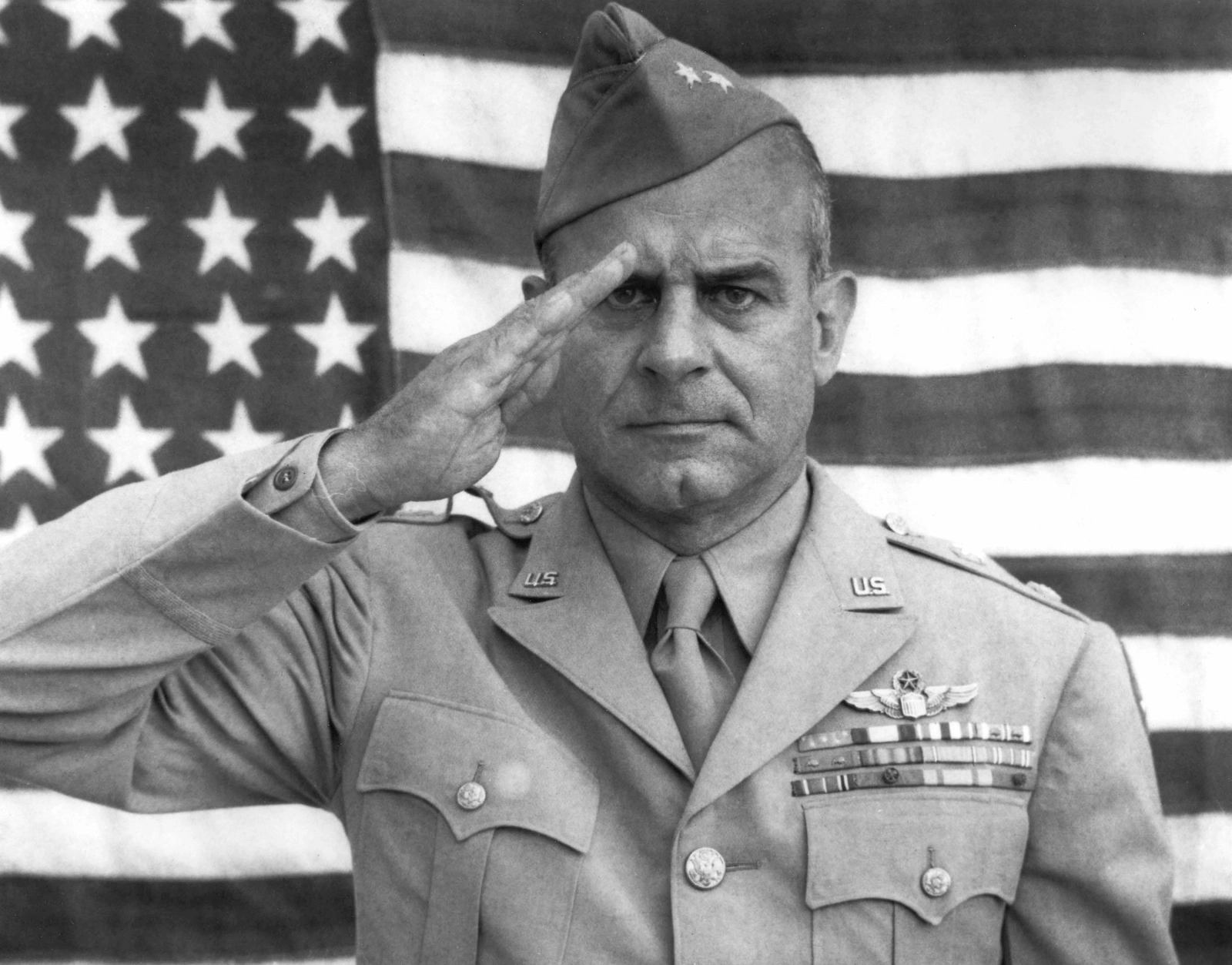
| 2 Quotes | |
| Born as | James Harold Doolittle |
| Known as | General James Harold Doolittle |
| Occup. | Aviator |
| From | USA |
| Born | December 14, 1896 Alameda, California |
| Died | September 27, 1993 Pebble Beach, California |
| Aged | 96 years |
| Cite | |
Citation Formats
APA Style (7th ed.)
Jimmy doolittle biography, facts and quotes. (2026, February 11). FixQuotes. https://fixquotes.com/authors/jimmy-doolittle/
Chicago Style
"Jimmy Doolittle biography, facts and quotes." FixQuotes. February 11, 2026. https://fixquotes.com/authors/jimmy-doolittle/.
MLA Style (9th ed.)
"Jimmy Doolittle biography, facts and quotes." FixQuotes, 11 Feb. 2026, https://fixquotes.com/authors/jimmy-doolittle/. Accessed 6 Mar. 2026.
Early Life and Background
James Harold "Jimmy" Doolittle was born on December 14, 1896, in Alameda, California, and spent much of his boyhood in the mining town of Nome, Alaska, where his family sought opportunity at the edge of the American frontier. Nome at the turn of the century was raw, violent, and improvisational - a place where weather could kill and institutions were thin. In later accounts he emphasized how that environment trained him to prize competence over talk: if you wanted safety, you learned to anticipate risk, read conditions, and act decisively.As a teenager he returned south to Los Angeles, absorbing the citys early-aviation fever just as flight was moving from spectacle to profession. He boxed, studied engineering, and cultivated a controlled aggressiveness - a habit of pushing hard while staying calm. That combination, along with a mechanic-minded curiosity about why things failed, became central to his inner life: he was not drawn to flying as romance, but as a system to be mastered, improved, and used.
Education and Formative Influences
Doolittle attended the University of California, Berkeley, then after military service returned to complete advanced study at the Massachusetts Institute of Technology, earning a doctorate in aeronautical engineering in 1925. The timing mattered: aviation was shifting from daredevilry to laboratory discipline, and Doolittle moved comfortably between both worlds. Mentored by engineers and tested by Army Air Service expectations, he learned to treat fear as data and to see performance as something designed - not merely displayed.Career, Major Works, and Turning Points
Commissioned during World War I, Doolittle became an Army pilot and instructor, then a test pilot who helped set standards for speed, reliability, and instrumentation. He won major races and trophies in the 1920s, including the Schneider Trophy in 1925, and became a national symbol of controlled modernity: a scientist who could also fly at the edge. In 1929 he pioneered instrument flying, making the first takeoff, flight, and landing using instruments alone - a breakthrough that helped turn aviation into an all-weather system rather than a fair-weather gamble. After periods in industry and reserve service, he returned to active duty in World War II and planned and led the April 18, 1942 raid on Japan, launching B-25 bombers from the carrier USS Hornet in an audacious strike that lifted American morale after Pearl Harbor. Later he commanded in North Africa and the Mediterranean, then led the Eighth Air Force in Europe and pressed fighter doctrine that allowed escorts to range aggressively, accelerating air superiority. He retired as a lieutenant general, later advanced to four-star general, and remained an influential advisor as air power became central to American strategy.Philosophy, Style, and Themes
Doolittles mindset fused engineering realism with a commanders taste for initiative. He believed in preparation that was intellectual as much as physical, arguing that the mind should lead the muscle: “If we should have to fight, we should be prepared to so so from the neck up instead of from the neck down”. The line captures his psychology - a man who distrusted mystique and tried to replace anxiety with rehearsal, measurement, and planning. Even his boldest choices, including the Tokyo raid, were built on calculations about range, payload, training tempo, and the human limits of crews who might have to ditch or bail out far from home.At the same time, he was unsentimental about what modern war had become. Doolittle saw air power not as a glamorous arm but as a decisive condition for everything else: “The first lesson is that you can't lose a war if you have command of the air, and you can't win a war if you haven't”. That conviction shaped his leadership style - pragmatic, impatient with vanity, and focused on creating systems that would endure friction. He pushed for better instruments, better tactics, and clearer doctrine, and he accepted the moral weight of bombing as part of the era he inhabited: industrial war fought at distance, where victory depended on logistics, production, and control of the sky.
Legacy and Influence
Doolittle lived until September 27, 1993, long enough to see aviation evolve from open-cockpit experimentation to jet age and spaceflight, yet his legacy rests on how he helped build the bridge between those worlds. He proved that courage could be methodical, that innovation could be operational, and that leadership could be both technical and human. The Tokyo raid fixed his name in public memory, but pilots, engineers, and strategists remember him equally for instrument flying, test discipline, and an air-power doctrine that shaped American operations through World War II and into the Cold War.Our collection contains 2 quotes written by Jimmy, under the main topics: Wisdom - War.
Source / external links