
Jock Sturges Biography Quotes 42 Report mistakes
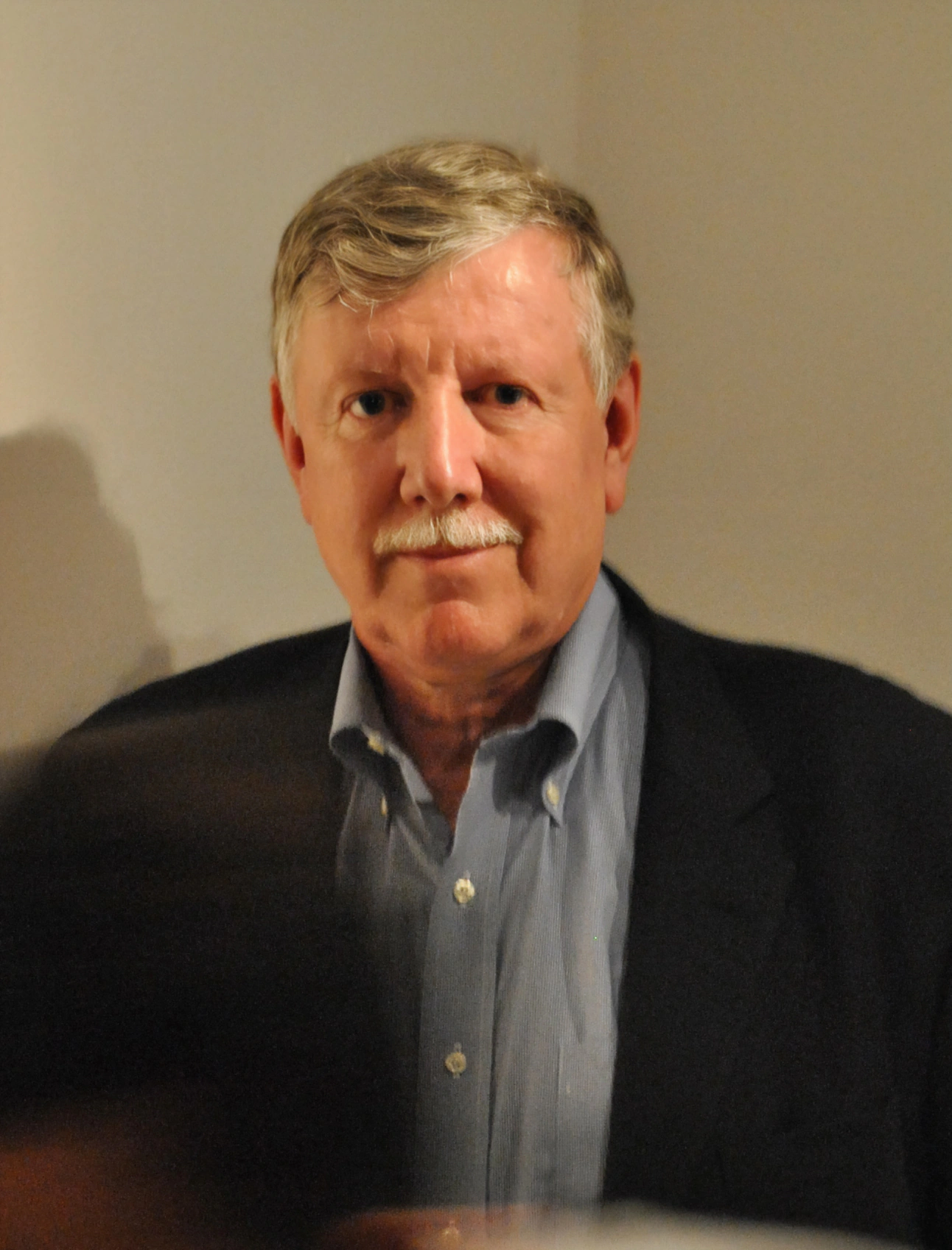
Attr: Tatiana Skládalová
| 42 Quotes | |
| Occup. | Photographer |
| From | USA |
| Born | 1947 New York City, New York, USA |
| Cite | |
Citation Formats
APA Style (7th ed.)
Jock sturges biography, facts and quotes. (2026, February 11). FixQuotes. https://fixquotes.com/authors/jock-sturges/
Chicago Style
"Jock Sturges biography, facts and quotes." FixQuotes. February 11, 2026. https://fixquotes.com/authors/jock-sturges/.
MLA Style (9th ed.)
"Jock Sturges biography, facts and quotes." FixQuotes, 11 Feb. 2026, https://fixquotes.com/authors/jock-sturges/. Accessed 28 Mar. 2026.
Early Life and Background
Jock Sturges was born in 1947 in New York City, a postwar metropolis where mass media and advertising were rapidly standardizing ideals of beauty even as the counterculture was preparing to rebel against them. He came of age during a period when American photography was splitting into documentary traditions on one side and a more intimate, diaristic mode on the other. That tension - between public norms and private realities - would become the pressure point of his adult work.By the late 1960s and early 1970s, as the sexual revolution and new forms of communal living spread through American youth culture, Sturges gravitated toward environments that tested the boundaries of conventional propriety. The social worlds that eventually anchored his best-known images - naturist beaches and families who treated nudity as ordinary - were not simply backdrops but moral laboratories in which he could ask what happens to the gaze when shame is removed, and what it costs when society insists on reattaching shame to the body.
Education and Formative Influences
Sturges studied at Marlboro College in Vermont and later at the San Francisco Art Institute, an institution steeped in West Coast experimentation and the legacy of modernist photography. In Northern California he absorbed an ethos that prized craft, long-form projects, and relationships with subjects over quick capture, while also inheriting the Bay Area's ongoing arguments about censorship, free expression, and the politics of representation.Career, Major Works, and Turning Points
From the late 1970s onward, Sturges began sustained work with naturist communities, most prominently at Montalivet in France and at nude beaches in Northern California, returning year after year and photographing families as their children grew up. He became widely known through books such as The Last Day of Summer (1991), Radiant Identities (1994), and Notes (1996), followed later by Fanny (2010) and Misty Dawn: Portrait of a Muse (2014), which emphasized long-term acquaintance and the passage of time. His career was repeatedly shaped by controversy: a highly publicized 1990 police raid and seizure of his materials in California ended without charges, yet it established a pattern in which exhibitions and publishers faced external pressure and sporadic restrictions, forcing his work to circulate in a charged space between fine art photography and public moral panic.Philosophy, Style, and Themes
Sturges built his practice around duration and consent - not only legal consent but a social contract created through repeated visits, conversation, and the slow accumulation of trust. Technically he favored large-format cameras and a deliberate, formal composition that borrows from classical portraiture: frontal pose, clear light, and a calm surface that asks the viewer to read expression, posture, and self-possession. The resulting images insist on personhood first, using nudity not as an event but as a condition of life, so that the viewer confronts the subject's individuality rather than the viewer's own reflex to categorize.The psychological core of his work is a wager on innocence understood as clarity rather than ignorance. He has described his own temperament as both vulnerable and stubborn: “I'm guilty of extraordinary naivete, I suppose. But it's a naivete that I really don't want to abandon, not even now”. In practice that "naivete" is an insistence that bodies can be seen without automatic shame, and that eroticism is not a contaminant but an element of human perception: “I will always admit immediately to what's obvious, which is that Homo sapiens is inherently erotic or inherently sensual from birth”. Yet his later comments also reveal a defensive refinement - an artist learning, sometimes painfully, how the same image can be read as tenderness or threat depending on context: “I didn't think there was anything more or less obscene about any part of the body. Now, I recognize that there are certain postures and angles that make people see red, which are evidence of original sin or something, and I avoid that”. These statements map a mind preoccupied with moral perception: what the camera sees, what the culture fears, and how an artist adjusts without surrendering the premise that unshamed looking is possible.
Legacy and Influence
Sturges remains one of the most contested American photographers of his generation, emblematic of the fault line where artistic intent, viewer response, and legal-social boundaries collide. His long-form portraits of naturist life helped normalize - for some audiences - the idea that documentary intimacy can include nudity without automatically collapsing into exploitation, while for critics he became a recurring test case in debates about consent, power, and the risks of aestheticizing youth. Whatever verdict viewers reach, his work has exerted lasting influence on how photographers think about time, trust, and the ethics of seeing: not only what a picture shows, but what a culture is willing to let itself look at without turning away.Our collection contains 42 quotes written by Jock, under the main topics: Witty One-Liners - Ethics & Morality - Truth - Wisdom - Art.
Source / external links