
Joe Murray Biography Quotes 14 Report mistakes
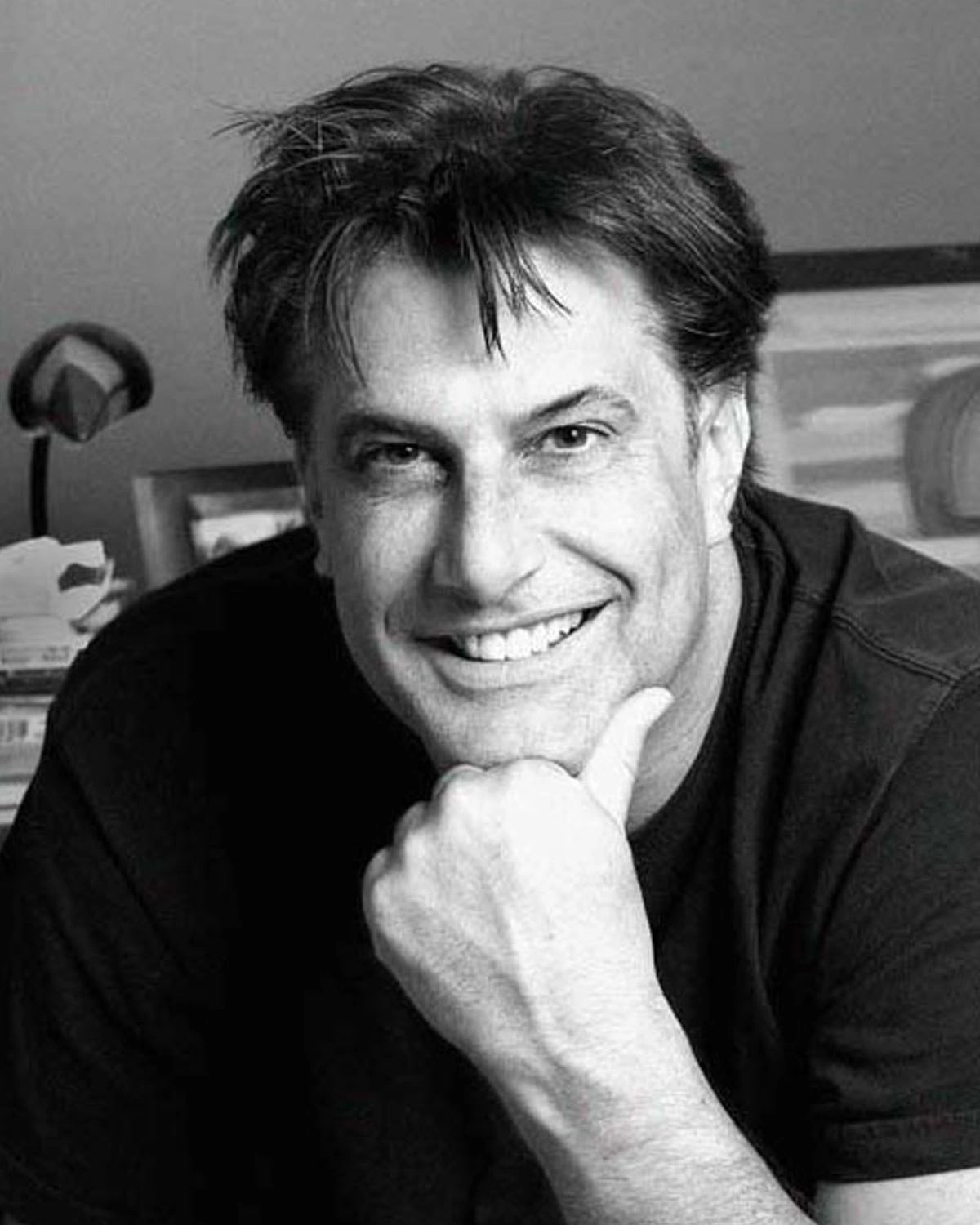
| 14 Quotes | |
| Occup. | Artist |
| From | USA |
| Born | May 3, 1961 |
| Age | 64 years |
| Cite | |
Citation Formats
APA Style (7th ed.)
Joe murray biography, facts and quotes. (2026, February 11). FixQuotes. https://fixquotes.com/authors/joe-murray/
Chicago Style
"Joe Murray biography, facts and quotes." FixQuotes. February 11, 2026. https://fixquotes.com/authors/joe-murray/.
MLA Style (9th ed.)
"Joe Murray biography, facts and quotes." FixQuotes, 11 Feb. 2026, https://fixquotes.com/authors/joe-murray/. Accessed 26 Mar. 2026.
Early Life and Background
Joe Murray was born May 3, 1961, in the United States, and came of age in the long afterglow of postwar American mass media, when television had become a shared national hearth and animation was quietly reinventing itself beyond theatrical shorts. He gravitated early toward drawing and observational humor, the kind rooted in how people talk, mishear, and improvise their way through daily life. That attention to the odd, humane detail would later become a signature: characters who look exaggerated but behave like recognizable neighbors.Murray's temperament as an artist formed around independence and a craftsman's pride. Even before he became widely known, he worked like someone building a private world and then inviting an audience into it, rather than chasing consensus. This inward certainty mattered in the 1980s and early 1990s, when American animation was pulled between corporate brand management and a rising creator-driven countercurrent. Murray would end up squarely in the latter, part of the generation that made television animation feel personal again.
Education and Formative Influences
Murray trained formally in art and animation, and was strongly shaped by the Bay Area's maker culture and the broader American independent-animation scene that prized hand-built style over polish. The period's influences included classic cartoon timing, the elastic draftsmanship of mid-century animation, and the new auteur confidence of late-1980s TV cartoons. He learned to think like both an animator and a director: not just how to draw a funny pose, but how to stage a joke, pace a scene, and protect a tone across an entire production.Career, Major Works, and Turning Points
Murray broke through in the 1990s as the creator of Nickelodeon's Rocko's Modern Life (1993-1996), a series that smuggled adult-grade satire and workplace anxiety into a bright, elastic cartoon universe. Set in the fictional O-Town, it followed Rocko, a mild-mannered wallaby, and his chaotic friends - including Heffer, a steer with the dislocated confidence of someone who never quite fits the category assigned to him. Murray later returned to the property with the Netflix special Rocko's Modern Life: Static Cling (2019), revisiting its characters with a mature, empathetic eye and reaffirming his belief that comedy can carry emotional and social weight without losing speed. Across his career, his turning points often came at the intersection of personal taste and institutional constraint: accepting that television could fund "odd" ideas, then learning to defend those ideas once the machinery was running.Philosophy, Style, and Themes
Murray's creative psychology is anchored in a conviction that cartoons are most alive when they are autobiographical in spirit, even when the surface is absurd. “I do not feel any artist can produce great art without putting great personality into it. It is always a piece of you that goes on the screen or the canvass”. That statement explains why his work, for all its exaggeration, rarely feels generic. His characters are not mascots engineered to be liked; they are bundles of need, habit, and delusion, rendered with enough specificity that their flaws become affectionate rather than cynical.His style also reflects a director's instinct to build a protected space where idiosyncrasy can survive the production line. He described his early producing innocence - and his attempt to transplant a small-studio ethos into a larger system - when he recalled, "Since this was the first and only series I had ever produced, I was unaware of what the "Normal“ environment was for a studio. I tried to run it as I did in my SF studio”. The resulting tone - loose, a little dangerous, intensely character-driven - is part of what made Rocko's Modern Life emblematic of 1990s creator animation. Murray's comedy often springs from the mismatch between what a character wants and what the world allows, a theme sharpened by his lived experience with executive notes and taste-making. “I think cheese smells funny, but I feel bananas 'are' funny. I'm assuming Swamp told the whole story of the executives seriously asking us to replace the banana with cheese because they thought it was funnier”. The anecdote is humorous, but it also reveals his deeper ethic: defend the precise, personal choice, because that is where the work's voice lives.
Legacy and Influence
Murray's influence rests on proving that television cartoons could be strange, authored, and emotionally coherent without surrendering speed or silliness. Rocko's Modern Life helped define Nickelodeon's 1990s creative boom, feeding a lineage of series that treat animation as a writer-and-artist medium rather than a standardized product. His later return to Rocko showed that nostalgia can be an artistic revisiting rather than a mere reboot, and his open talk about personality, leadership, and taste continues to resonate with young animators trying to balance craft, commerce, and selfhood.Our collection contains 14 quotes written by Joe, under the main topics: Funny - Art - Friendship - Writing - Movie.
Other people related to Joe: Carlos Alazraqui (Actor)
Source / external links