
Joe Namath Biography Quotes 11 Report mistakes
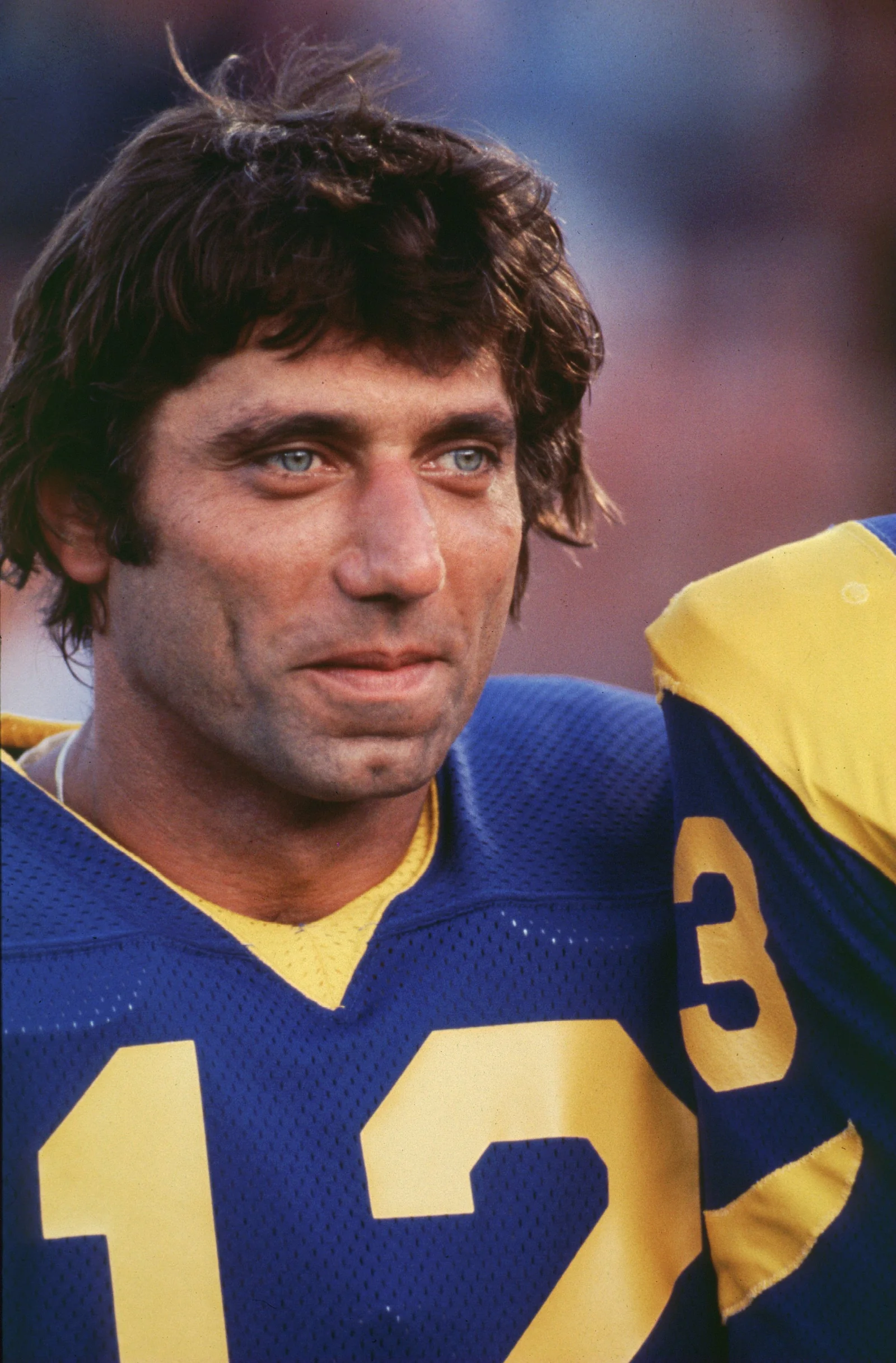
| 11 Quotes | |
| Born as | Joseph William Namath |
| Occup. | Athlete |
| From | USA |
| Born | May 31, 1943 |
| Age | 82 years |
| Cite | |
Citation Formats
APA Style (7th ed.)
Joe namath biography, facts and quotes. (2026, February 11). FixQuotes. https://fixquotes.com/authors/joe-namath/
Chicago Style
"Joe Namath biography, facts and quotes." FixQuotes. February 11, 2026. https://fixquotes.com/authors/joe-namath/.
MLA Style (9th ed.)
"Joe Namath biography, facts and quotes." FixQuotes, 11 Feb. 2026, https://fixquotes.com/authors/joe-namath/. Accessed 6 Mar. 2026.
Early Life and Background
Joseph William Namath was born May 31, 1943, in Beaver Falls, Pennsylvania, a steel-and-coal river town whose hard routines shaped his sense of toughness and performance. He grew up in a working-class, largely immigrant milieu - his parents of Hungarian and Italian heritage - where the expectation was to labor, not to posture. Yet Namath, even as a boy, was drawn to the spotlight: the quick decision, the improvisation, the audacity of trying something because it might work.His childhood also carried fracture. His parents separated when he was young, and the household atmosphere could be strict, loud, and corrective. Years later he distilled that early emotional weather into a joke that still reads like biography: "Till I was 13, I thought my name was "Shut Up."" . The line is funny, but it signals an inner engine - a desire to be seen on his own terms, not merely managed - that would become both his charisma and his risk.
Education and Formative Influences
At Beaver Falls High School, Namath emerged as a rare multi-sport prodigy, excelling in football, basketball, and baseball, with pro scouts noticing him as much for calm under pressure as for arm talent. Recruited widely, he chose the University of Alabama under Bear Bryant, entering a program that treated discipline as a language and winning as a duty; there, amid the mid-1960s South and college football's nationalizing television era, he learned how structure could amplify flair rather than smother it, even as knee injuries began to define the physical limits he would spend a career negotiating.Career, Major Works, and Turning Points
Namath left Alabama after the 1964 season and became the era's most symbolic signing when he chose the upstart AFL's New York Jets, taking a then-record contract that made him the face of a league seeking legitimacy. As quarterback he was not merely a passer but a personality who fit New York's appetite for spectacle - fur coats, nightlife, and a swagger that sold tickets and headlines - yet he also delivered substance: AFL Rookie of the Year (1965), AFL passing yards leader, and in 1967 the first pro quarterback to throw for 4, 000 yards in a season. The turning point came in January 1969 at Super Bowl III, when the Jets, heavy underdogs to the Baltimore Colts, won 16-7; Namath's famous guarantee, his efficient control of the game, and the upset itself accelerated the AFL-NFL merger's psychological finality. Injuries and the cumulative cost of playing on damaged knees eroded his late career; he finished with stints on the Los Angeles Rams and later transitioned into broadcasting and acting, forever linked to the mythology of the broadway quarterback.Philosophy, Style, and Themes
Namath's public identity fused preparation with daring. For all the nightlife narratives, he repeatedly framed confidence as earned, not improvised: “What I do is prepare myself until I know I can do what I have to do”. That sentence is the private counterweight to his public flash - the admission that swagger is easiest when backed by repetition and clarity. His leadership style was similarly pragmatic, aimed at collective belief: “To be a leader, you have to make people want to follow you, and nobody wants to follow someone who doesn't know where he is going”. In practice, he led by making the plan feel inevitable, translating uncertainty into a story teammates could inhabit.The psychological thread running through Namath's career is the conversion of pressure into play. “When you have confidence, you can have a lot of fun. And when you have fun, you can do amazing things”. Fun, for Namath, was not triviality - it was a way of disarming fear, a permission slip to attempt throws and calls that cautious quarterbacks would not. That is why his style could look reckless to traditionalists yet galvanizing to a team and a league trying to prove they belonged. Even his guarantee works as self-therapy: declare the outcome, then behave like the kind of person who can make it true.
Legacy and Influence
Namath endures as a hinge figure in American sports culture: the quarterback as celebrity, the athlete as brand, and the AFL as credible equal rather than novelty. His Super Bowl III win remains one of pro football's defining inflection points, and his persona helped normalize the idea that confidence, media fluency, and showmanship could coexist with elite performance. Later generations of quarterbacks - from the polished corporate spokesman to the unapologetic entertainer - inherited a league where the job includes narrative control as well as reads and throws, and where a single, well-timed act of belief can change not just a game but an era.Our collection contains 11 quotes written by Joe, under the main topics: Witty One-Liners - Motivational - Leadership - Victory - Work Ethic.
Other people related to Joe: Curt Gowdy (Celebrity)
Source / external links