
Joel A. Barker Biography Quotes 4 Report mistakes
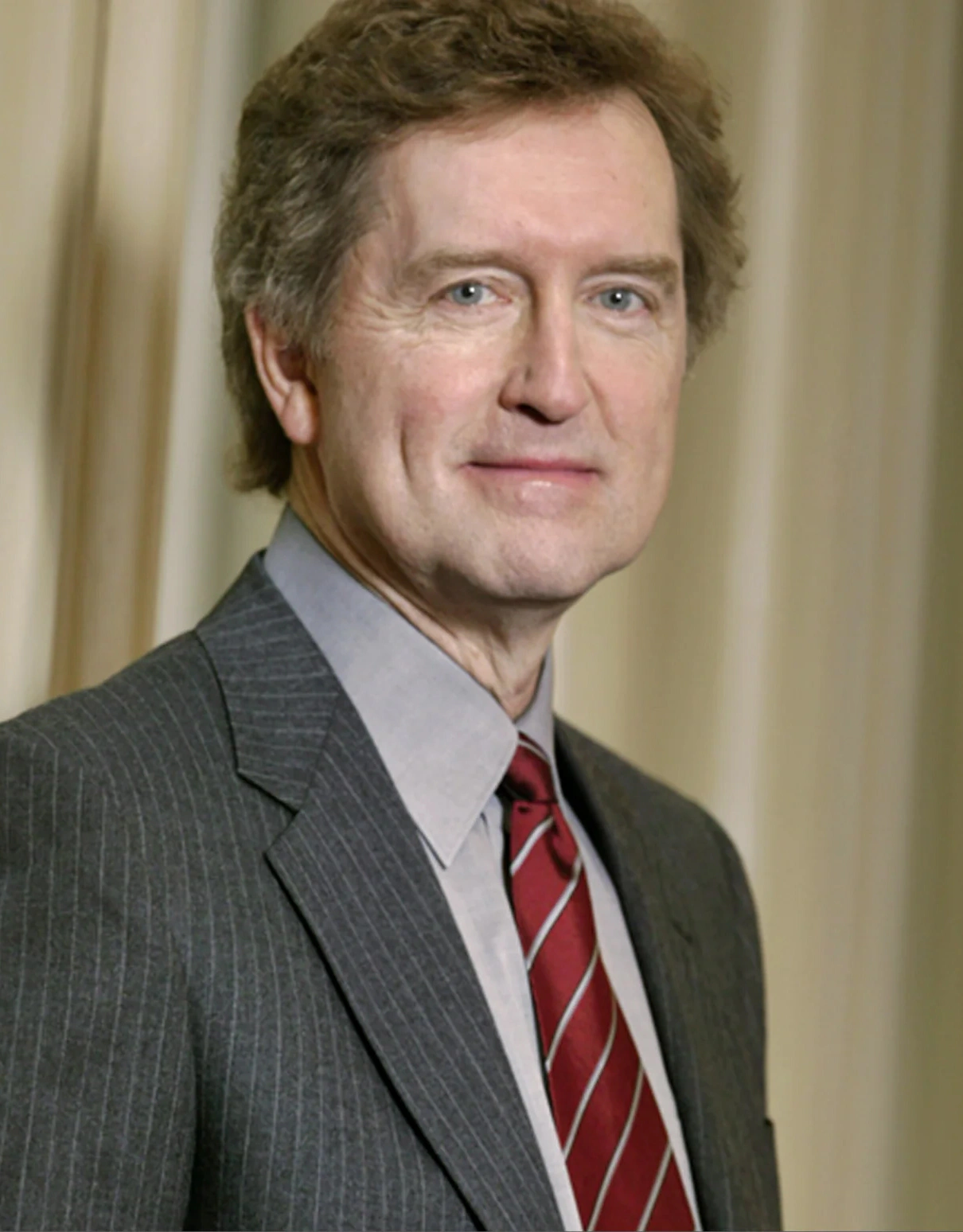
| 4 Quotes | |
| Occup. | Author |
| From | USA |
| Born | September 27, 1948 Bridgeport, Connecticut |
| Age | 77 years |
| Cite | |
Citation Formats
APA Style (7th ed.)
Joel a. barker biography, facts and quotes. (2026, February 11). FixQuotes. https://fixquotes.com/authors/joel-a-barker/
Chicago Style
"Joel A. Barker biography, facts and quotes." FixQuotes. February 11, 2026. https://fixquotes.com/authors/joel-a-barker/.
MLA Style (9th ed.)
"Joel A. Barker biography, facts and quotes." FixQuotes, 11 Feb. 2026, https://fixquotes.com/authors/joel-a-barker/. Accessed 26 Mar. 2026.
Early Life and Background
Joel A. Barker was born on September 27, 1948, in the United States, coming of age in an era when institutions were being questioned and retooled. The postwar confidence of the 1950s gave way to the cultural dislocation of the 1960s and the competitive anxieties of the 1970s - a long arc that pushed many Americans to think in systems: how organizations adapt, how leaders persuade, how ideas turn into social or economic reality. Barker would later build a public identity around those questions, becoming one of the best-known popularizers of "paradigm shifts" in business and civic life.Biographically, Barker has kept much of his private inner life offstage, a choice that fits his professional role: he positions himself less as a confessional memoirist than as a translator of complex change for broad audiences. What can be inferred is a temperament drawn to synthesis - the habit of looking for the governing assumptions under everyday decisions. That impulse, sharpened by late-20th-century volatility in technology and markets, became the backbone of his work as a writer and speaker: not prediction as entertainment, but foresight as discipline.
Education and Formative Influences
Barker is widely associated with the conceptual vocabulary of futurism and organizational change, especially as those fields moved into the corporate mainstream in the 1980s and 1990s. While specific educational details are not consistently documented in authoritative public sources, his formative influences are clear in the intellectual lineage he echoes: Thomas Kuhn's idea of paradigms, the management wave that followed Alvin Toffler-style futurist thinking, and the training-film culture that brought executive education out of universities and into boardrooms and conference centers. His work sits at the intersection of social science metaphors and practical leadership coaching, shaped by the era when video, keynote circuits, and consulting firms became major conveyors of managerial ideas.Career, Major Works, and Turning Points
Barker emerged as a prominent author-speaker by focusing on how people and organizations get trapped by their own success, then miss discontinuous change. He founded and led Joel Barker Associates, producing widely circulated films and materials that helped define the late-20th-century appetite for packaged insight - concise concepts delivered with memorable phrasing and strong examples. His best-known work, "The Business of Paradigms", and related presentations on the "new business of paradigms" framed change as a challenge of perception before it is a challenge of resources. The turning point in his career was not a single book launch so much as the moment his language - especially "paradigm shift" - became a common tool inside corporate strategy, healthcare administration, and public-sector planning, where leaders needed a moral permission slip to rethink the rules that had previously made them winners.Philosophy, Style, and Themes
Barker's core claim is psychological: the human mind protects coherence, and success hardens that protection into policy. He repeatedly warns that identity can become an obstacle to adaptation, crystallized in the line, “Your successful past will block your visions of the future”. In his framing, this is not merely a cognitive bias but an emotional bargain - the comfort of being competent today purchased at the price of being curious tomorrow. The subtext of his work is a gentle confrontation: if you want to see what is coming, you must be willing to feel temporarily foolish, to become a beginner again, and to let go of the status earned under old rules.His style is aphoristic and kinetic, built for rooms where decisions must be made quickly and communicated clearly. That economy of language is paired with a moral insistence that foresight is meaningless without execution: “Vision without action is merely a dream. Action without vision just passes the time. Vision with action can change the world”. Behind the motivational cadence sits a theory of agency - that the future is not something that arrives, but something negotiated by attention, courage, and coordinated effort. He extends that into leadership as relational risk, not title or charisma: “A leader is a person you will follow to a place you wouldn't go by yourself”. In Barker's hands, leadership becomes a test of trust under uncertainty, a willingness to invite others across the threshold where familiar expertise no longer guarantees safety.
Legacy and Influence
Barker's enduring influence lies in how thoroughly his concepts entered everyday organizational speech. He helped make "paradigm shift" a usable tool for managers and civic leaders trying to explain why incremental improvement sometimes fails, and why yesterday's best practices can become tomorrow's blinders. Even as the phrase has been overused, the underlying message retains bite: change is first a shift in assumptions, then a shift in behavior, then a shift in results. His work remains a bridge between futurist imagination and operational discipline, and his most lasting contribution may be the permission he gave audiences to challenge the invisible rules - including the ones that once made them successful.Our collection contains 4 quotes written by Joel, under the main topics: Leadership - Vision & Strategy - Letting Go.
Joel A. Barker Famous Works
- 1992 Future Edge: Discovering the New Paradigms of Success (Book)
- 1992 Paradigms: The Business of Discovering the Future (Book)
- 1990 The Power of Vision (Book)
- 1985 Discovering the Future: The Business of Paradigms (Book)
Source / external links