
Johann Nepomuk Hummel Biography Quotes 1 Report mistakes
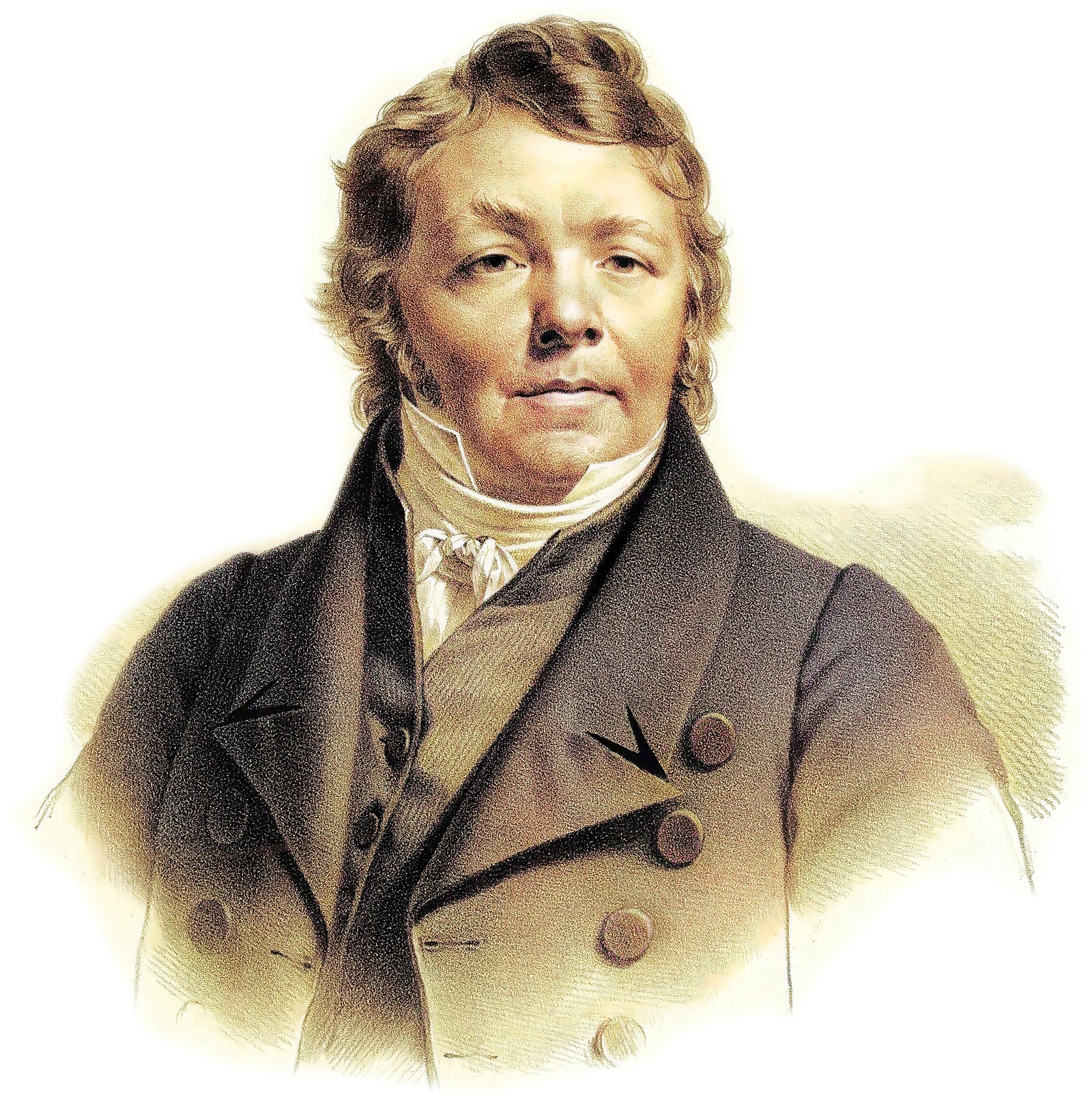
| 1 Quotes | |
| Occup. | Composer |
| From | Austria |
| Born | November 14, 1778 |
| Died | October 17, 1837 |
| Aged | 58 years |
| Cite | |
Citation Formats
APA Style (7th ed.)
Johann nepomuk hummel biography, facts and quotes. (2026, February 11). FixQuotes. https://fixquotes.com/authors/johann-nepomuk-hummel/
Chicago Style
"Johann Nepomuk Hummel biography, facts and quotes." FixQuotes. February 11, 2026. https://fixquotes.com/authors/johann-nepomuk-hummel/.
MLA Style (9th ed.)
"Johann Nepomuk Hummel biography, facts and quotes." FixQuotes, 11 Feb. 2026, https://fixquotes.com/authors/johann-nepomuk-hummel/. Accessed 28 Mar. 2026.
Early Life and Background
Johann Nepomuk Hummel was born on November 14, 1778, in Pressburg in the Kingdom of Hungary (today Bratislava), into the multilingual, cosmopolitan borderland of the Habsburg world. His father, Johannes Hummel, worked as a musician and music director, and the household treated art less as ornament than as trade and discipline. In a region where German, Hungarian, and Slavic cultures met, the young Hummel absorbed early the idea that style could be both local and international - an instinct that later helped him move fluently between late Classicism and early Romantic display.When the family relocated to Vienna, the city was at once a training ground and a proving ground: opera, the court, salons, and the competitive private-teaching economy formed an ecosystem in which a child prodigy could be polished into a public phenomenon. Hummel emerged as a pianist with exceptional clarity and control, and that identity - the virtuoso as artisan - became central to his inner life: he was admired for finish rather than shock, for proportion rather than rebellion.
Education and Formative Influences
In Vienna he studied with Wolfgang Amadeus Mozart, living for a time in Mozart's household and being shaped by the composer's ideals of balance, conversational phrasing, and transparent keyboard writing; later he studied with Muzio Clementi, absorbing the English piano's expanding possibilities and the businesslike professionalism of the touring virtuoso. He also encountered Antonio Salieri and Johann Georg Albrechtsberger, gaining a strict grounding in counterpoint and form that would keep his later brilliance from becoming merely decorative.Career, Major Works, and Turning Points
After early tours as a prodigy, Hummel built a pan-European career as pianist-composer and Kapellmeister, with key posts at the Esterhazy court (as Haydn's successor in practice, if not in myth) and later in Weimar, where he helped make the city a musical center alongside its literary prestige. His output spans piano concertos (notably those in A minor, Op. 85, and B minor, Op. 89), chamber works such as the Septet in D minor, Op. 74, the Piano Trio in E major, Op. 83, and the Trumpet Concerto in E major, works that translate concerto brilliance into elegant chamber rhetoric. A major turning point came with the accelerating rise of Beethovenian intensity and later Romantic self-definition: Hummel remained widely celebrated, yet the culture's appetite shifted toward the dramatic and the confessional, pressuring his brand of polished classicism to defend itself as something more than tasteful entertainment.Philosophy, Style, and Themes
Hummel's aesthetic was founded on the belief that technique serves intelligibility. The pianist in him insisted that the hand, the ear, and the architecture of a piece must align - a practical ethics of sound. His music often stages a controlled dialogue between display and decorum: passagework that glitters but remains articulated, harmonies that flirt with surprise but return to clear cadences, forms that stretch without breaking. Even when his writing anticipates later virtuoso language, the rhetoric is measured, aiming for persuasion rather than conquest.That mindset is captured in his performance-aware view of composition: “You can put in all the difficulties, jumps, runs, and any other devilish complexities you like, except octave spans and similar features which do not suit the formation of hands”. The remark is more than pedagogy - it is psychology. It reveals a musician who prized mastery without cruelty, brilliance without bodily damage, and who treated the performer not as a sacrificial medium but as the partner of the composer. In his concertos and piano works, the drama is frequently one of civilized tension: the soloist asserts personality, but the musical "argument" stays legible, the inner self expressed through poise, timing, and color rather than rupture.
Legacy and Influence
Hummel died in Weimar on October 17, 1837, a respected figure whose fame later dimmed as Romantic narratives preferred revolutionaries to consolidators. Yet his influence persisted in the craft of keyboard writing and the ideal of the pianist-composer as a complete musician: his textures, figurations, and formal handling link Mozart and Clementi to the age of Chopin and Mendelssohn, while his works - especially the Trumpet Concerto and major piano concertos - remain touchstones for performers who value classical proportion enriched by early-Romantic sheen. His enduring significance lies in showing that refinement can be a form of strength, and that virtuosity, when governed by taste and structure, can speak with lasting authority.Our collection contains 1 quotes written by Johann, under the main topics: Music.
Source / external links