
John Ashcroft Biography Quotes 27 Report mistakes
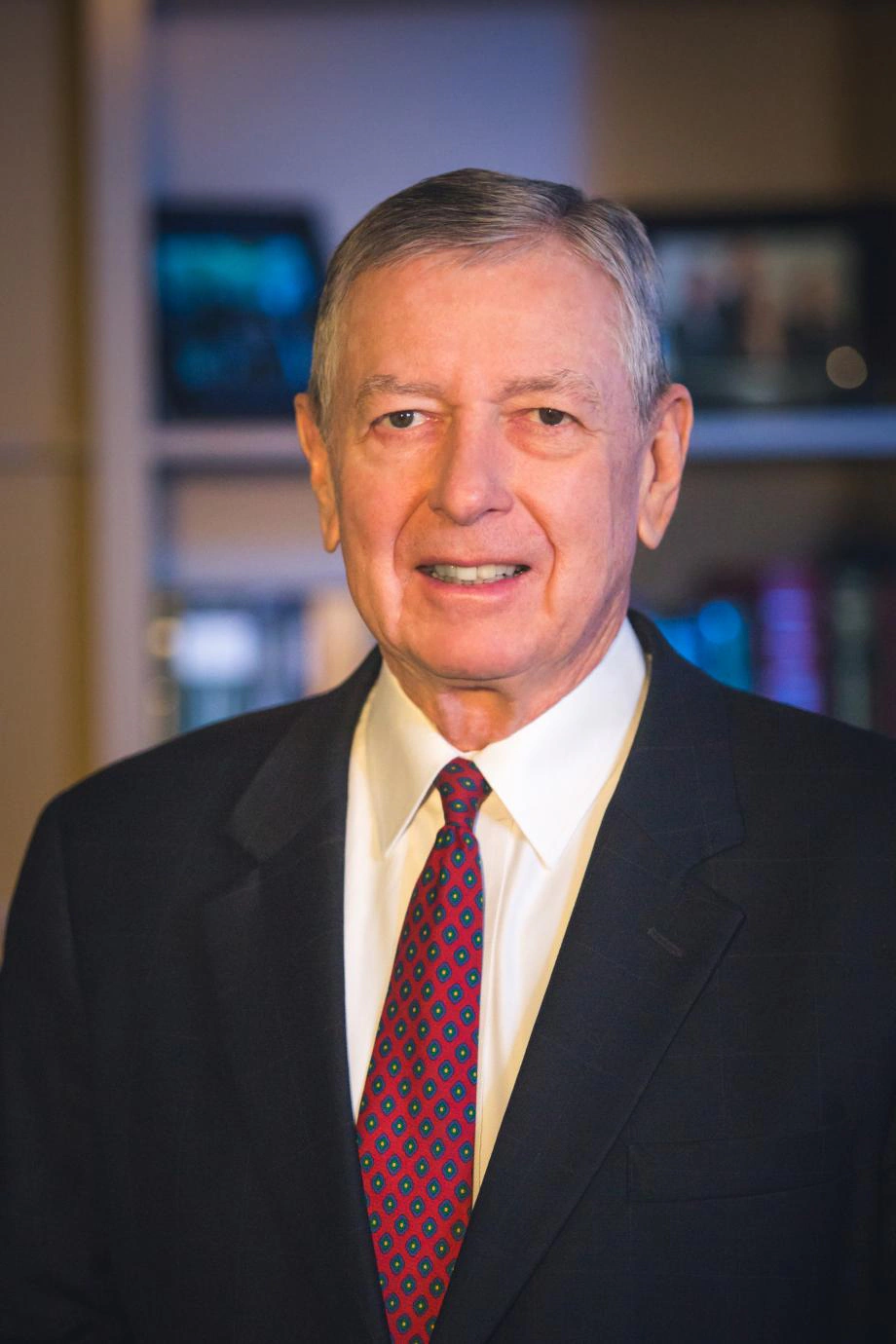
| 27 Quotes | |
| Born as | John David Ashcroft |
| Occup. | Public Servant |
| From | USA |
| Spouse | Janet Ashcroft |
| Born | May 9, 1942 Chicago, Illinois, USA |
| Age | 83 years |
| Cite | |
Citation Formats
APA Style (7th ed.)
John ashcroft biography, facts and quotes. (2026, February 11). FixQuotes. https://fixquotes.com/authors/john-ashcroft/
Chicago Style
"John Ashcroft biography, facts and quotes." FixQuotes. February 11, 2026. https://fixquotes.com/authors/john-ashcroft/.
MLA Style (9th ed.)
"John Ashcroft biography, facts and quotes." FixQuotes, 11 Feb. 2026, https://fixquotes.com/authors/john-ashcroft/. Accessed 4 Mar. 2026.
Early Life and Background
John David Ashcroft was born on May 9, 1942, in Chicago, Illinois, and grew up in a household where public speech and moral instruction were daily crafts rather than abstract ideals. His father, an Assemblies of God minister who also led a small college, moved the family through the Midwestern world of church basements, revival meetings, and classrooms. That blend of pulpit and lectern shaped Ashcroft early: politics, for him, would later feel less like a marketplace of interests than an arena of duty, testimony, and discipline.In adolescence he gravitated toward debate and civic performance, learning to speak with the controlled cadence that would become his signature in campaigns and hearings. The postwar years also supplied the atmosphere: Cold War anxieties, cultural conflict, and a widening national argument over law, crime, and social order. Ashcroft came of age with a conviction that institutions should be sturdy enough to withstand upheaval - and that personal character was the first institution a public servant had to defend.
Education and Formative Influences
Ashcroft attended Oklahoma Baptist University, earning his BA, and went on to the University of Chicago Law School, receiving his JD in 1967. Chicago in that era was a training ground in legal realism and institutional power, and it exposed him to both the aspirations and the strains of modern governance at the height of Vietnam-era turmoil. He emerged with an evangelical Protestant moral vocabulary joined to a lawyerly respect for procedure - a combination that later let him argue that values and law were not rivals but mutually reinforcing constraints.Career, Major Works, and Turning Points
After practicing law, Ashcroft entered Missouri politics and became state auditor (1973-1975) and attorney general (1977-1985), building a reputation as a conservative law-and-order figure attentive to regulatory and fiscal governance. In 1985 he was elected governor of Missouri, and in 1994 he won a US Senate seat, where he aligned with the Republican Party's conservative wing and took a prominent role in debates over crime, religion in public life, and judicial appointments. The decisive turning point came in 2001 when President George W. Bush appointed him US attorney general; the September 11 attacks shortly thereafter thrust him into the central moral and constitutional argument of the era: how far the state could go to prevent terror without deforming the liberties it claimed to protect. His tenure became inseparable from the USA PATRIOT Act, expanded intelligence sharing, aggressive counterterrorism investigations, and the civil-liberties backlash that followed. After leaving office in 2005, he entered private legal practice and policy advocacy, remaining a symbol of the post-9/11 security state for supporters and critics alike.Philosophy, Style, and Themes
Ashcroft's inner life, as it surfaced in speeches and decisions, revolved around a near-liturgical hierarchy of obligations: protect life first, then preserve ordered liberty through law. He framed the Justice Department not simply as a prosecutorial machine but as a moral instrument meant to prevent catastrophe before it arrived. “There is no priority higher than the prevention of terrorism”. That sentence was not rhetorical decoration; it disclosed a psychology oriented toward anticipatory action, where regret is measured in lives and therefore the threshold for intervention drops in the face of mass-casualty risk. Consistent with that, he argued for intelligence-driven policing and earlier disruption of plots: “It doesn't help to wait until something happens and then prosecute the offenders, especially if it's the idea of the offender to extinguish himself in the commission of the crime”. Yet Ashcroft also insisted that expanded power could be reconciled with constitutional restraint, a self-image of the state as both guardian and rule-follower. “The liberties and freedoms which we hold dear and we recognize and cherish and respect guide the way we gather information in the United States”. His public style mirrored that claim: solemn, procedural, and declarative, presenting controversial measures as extensions of longstanding legal tradition rather than innovations. The recurring theme is tension management - between openness and secrecy, autonomy and protection, pluralism and moral clarity. In the cultural arena, his statements on shielding children online and his support for government scrutiny of extremist instruction reflected a paternal model of public responsibility in which the state acts not only against criminals but against conditions that incubate harm.Legacy and Influence
Ashcroft's enduring influence lies less in a single statute than in how he helped set the emotional and administrative tone of American governance after 9/11: preventive, intelligence-centered, and rhetorically anchored in both patriotism and legality. To supporters, he professionalized urgency and treated national security as a non-negotiable first duty; to critics, he normalized a dangerous elasticity in surveillance and detention that later administrations inherited. Either way, his tenure became a reference point for subsequent debates over the Patriot Act, information sharing, and the balance between safety and freedom, making him a defining public servant of the early twenty-first century security era.Our collection contains 27 quotes written by John, under the main topics: Justice - Freedom - Meaning of Life - Change - Peace.
Other people related to John: Richard Ben-Veniste (Lawyer), Mel Carnahan (Politician), Alberto Gonzales (Public Servant), Jonah Goldberg (Celebrity), Sibel Edmonds (Public Servant), Tom Ridge (Politician), Michael Chertoff (Public Servant)
Source / external links