
John Gardner Biography Quotes 4 Report mistakes
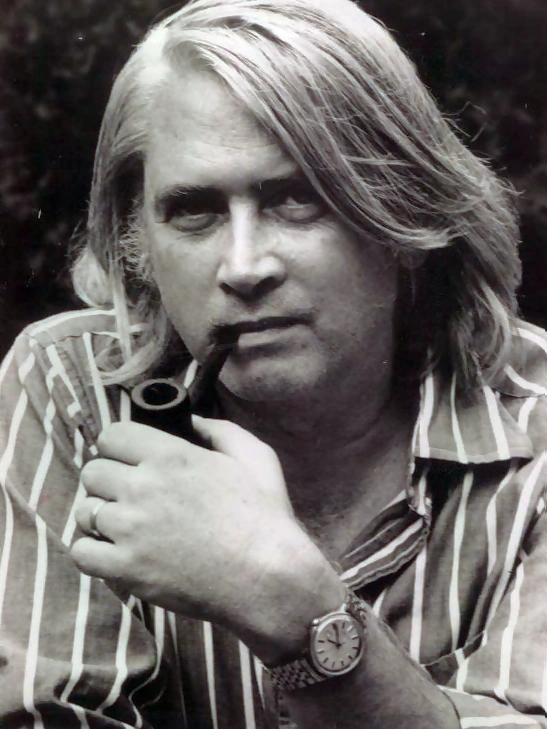
Attr: John Gardner in 1979
| 4 Quotes | |
| Born as | John Champlin Gardner Jr. |
| Occup. | Novelist |
| From | USA |
| Born | July 21, 1933 Batavia, New York, U.S. |
| Died | September 14, 1982 Susquehanna County, Pennsylvania, U.S. |
| Cause | Struck by a vehicle (traffic collision) |
| Aged | 49 years |
| Cite | |
Citation Formats
APA Style (7th ed.)
John gardner biography, facts and quotes. (2026, February 11). FixQuotes. https://fixquotes.com/authors/john-gardner/
Chicago Style
"John Gardner biography, facts and quotes." FixQuotes. February 11, 2026. https://fixquotes.com/authors/john-gardner/.
MLA Style (9th ed.)
"John Gardner biography, facts and quotes." FixQuotes, 11 Feb. 2026, https://fixquotes.com/authors/john-gardner/. Accessed 26 Mar. 2026.
Early Life
John Champlin Gardner Jr. was born on July 21, 1933, in Batavia, New York, and grew up on a small dairy farm in the Genesee Valley. The landscape of upstate New York, with its winters, fields, and close-knit rural communities, left a lasting imprint on his imagination and later furnished settings and moral atmospheres for much of his fiction. His father worked the farm and preached on Sundays, and the household combined practical labor with a respect for books, music, and stories. When Gardner was a boy, a farm accident in which his younger brother was killed changed the family forever. The grief and guilt of that event, which Gardner revisited throughout his life, surface with unmistakable clarity in his short story "Redemption" and shadow the moral seriousness of his later novels.Education and Early Career
Gardner showed early talent in both writing and scholarship. He studied literature and went on to complete graduate work in medieval literature, immersing himself in Chaucer, the alliterative tradition, and the ethics embedded in older narratives. That training shaped not only his classroom teaching but also his translations of "Sir Gawain and the Green Knight" and other Middle English texts, as well as his accessible literary study "The Life and Times of Chaucer". Even as he pursued scholarship, he wrote stories and novels, intent on uniting craft with a moral vision of art that could illuminate human choices and responsibilities.Novels and Major Works
Gardner's first novel, "The Resurrection" (1966), announced a writer deeply attentive to conscience and consequence. He followed it with "The Wreckage of Agathon" (1970), a philosophical tale set in ancient Greece, and then with the book that made his reputation, "Grendel" (1971), a retelling of the Beowulf story from the monster's perspective. "Grendel" became a touchstone in American fiction classrooms for its blend of myth, existential inquiry, and stylistic daring.He maintained a remarkable pace through the 1970s: "The Sunlight Dialogues" (1972), a sprawling novel of law, language, and freedom set in upstate New York; "Nickel Mountain" (1973), a quiet portrait of ordinary decency; "The King's Indian" (1974), stories of gothic exuberance; and "October Light" (1976), which received the National Book Critics Circle Award for fiction. He continued to experiment with form and fable in "In the Suicide Mountains" (1977) and "Freddy's Book" (1980), and returned to large-canvas moral drama in "Mickelsson's Ghosts" (1982). Alongside his fiction, he published the long poem "Jason and Medeia" and a steady stream of essays and reviews.
Teacher and Mentor
Gardner taught at several colleges and universities, where he became a demanding, generous mentor. He insisted on revision, clarity, and a sense that stories mattered beyond fashion. Among the students who later acknowledged his influence was Raymond Carver, who encountered Gardner's rigor and encouragement early in his own development. In workshop rooms and offices, Gardner was known for line-by-line attention and for urging young writers to take both language and moral consequence seriously.Critical Writings and Public Debates
Beyond his novels, Gardner stirred national conversations about literature. "On Moral Fiction" (1978) argued that art, at its best, moves toward affirmation and responsibility rather than cynicism or nihilistic cleverness. The book provoked heated debate among fellow writers and critics, who either welcomed his challenge to prevailing fashions or bristled at what they took to be prescriptive standards. After his death, two books distilled his classroom wisdom: "On Becoming a Novelist" and "The Art of Fiction", both of which have become staples for writers seeking practical counsel on craft.Personal Life
Gardner's private life was as intense as his public career. He married more than once, and the pressures of teaching, writing, and public controversy complicated his relationships. For a time he was married to the poet Liz Rosenberg, and in his final year he was engaged to Susan Thornton. Friends, family, and students described him as charismatic, restless, sometimes self-sabotaging, and also unfailingly loyal to the young writers he believed in. The memory of his parents and the tragedy involving his brother remained central to his self-understanding and to the ethical gravity of his work.Final Years and Death
By the early 1980s, Gardner was a nationally recognized novelist and critic who continued to produce ambitiously. On September 14, 1982, he died in a motorcycle accident near Susquehanna, Pennsylvania. He was 49. The abruptness of his death, coming just as he was poised for marriage and new projects, stunned the literary world. "Mickelsson's Ghosts" appeared that same year, and posthumous publications soon followed, extending his voice into the classrooms and conversations he had animated in life.Legacy
Gardner's legacy rests on a rare combination of gifts: a storyteller's instinct for character and scene; a medievalist's feel for moral fable; and a teacher's urge to pass on usable knowledge. Writers who studied with him carried forward his devotion to clarity and consequence; readers keep returning to "Grendel", "October Light", and other books for their blend of narrative drive and philosophical bite. His translations and Chaucer study continue to guide students through older literatures, while "On Becoming a Novelist" and "The Art of Fiction" remain practical bibles of craft. In the decades since his death, the debates he sparked over the responsibilities of art have not cooled, but the abiding power of his work has made him a fixture in American letters, a novelist from rural New York who pressed fiction to be, at once, beautiful, intelligent, and morally awake.Our collection contains 4 quotes written by John, under the main topics: Sarcastic - Parenting - Loneliness - Study Motivation.