
John Heywood Biography Quotes 10 Report mistakes
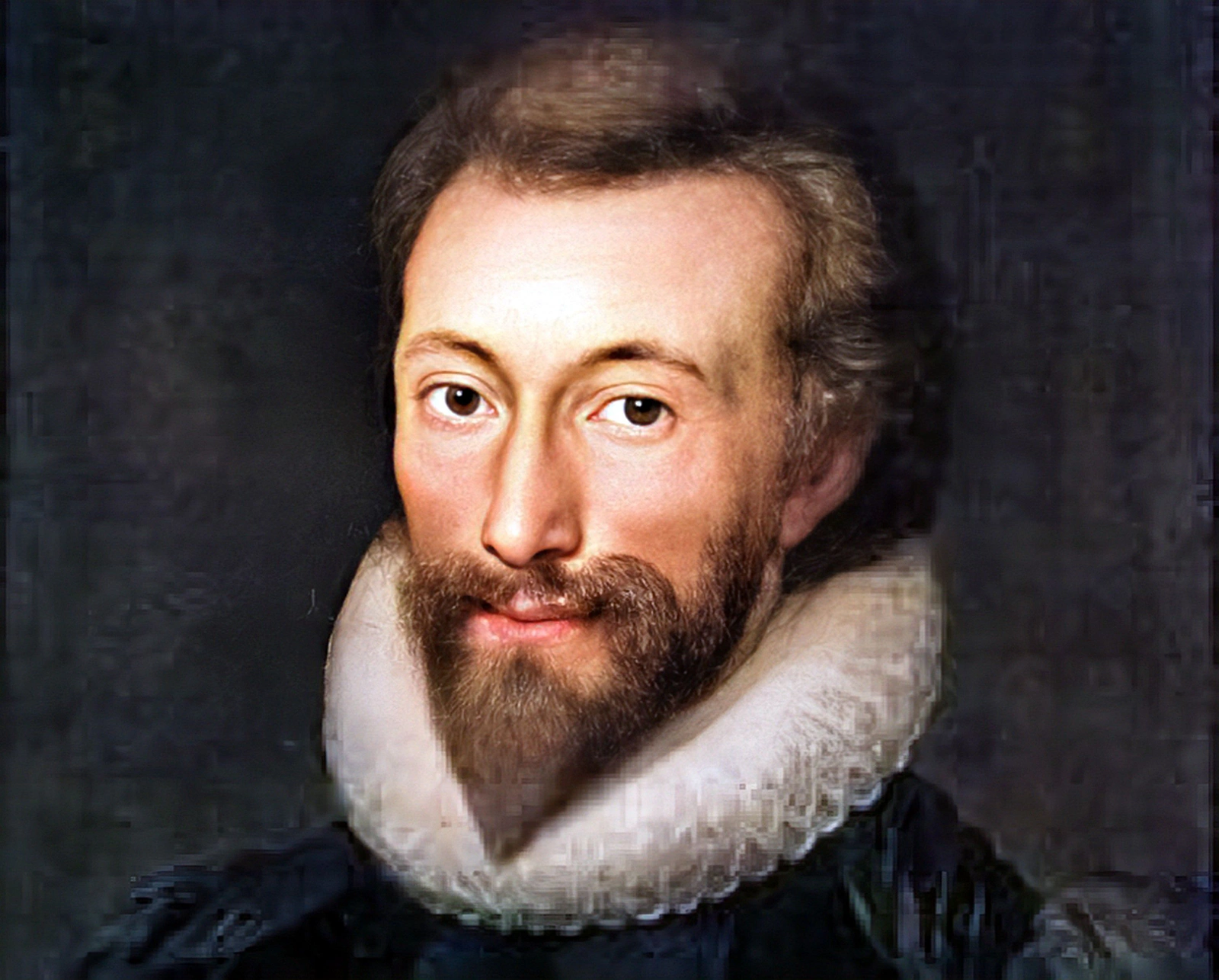
| 10 Quotes | |
| Occup. | Dramatist |
| From | England |
| Born | 1497 AC Coventry, England |
| Died | 1580 AC Mechelen (now Belgium) |
| Cite | |
Citation Formats
APA Style (7th ed.)
John heywood biography, facts and quotes. (2026, February 11). FixQuotes. https://fixquotes.com/authors/john-heywood/
Chicago Style
"John Heywood biography, facts and quotes." FixQuotes. February 11, 2026. https://fixquotes.com/authors/john-heywood/.
MLA Style (9th ed.)
"John Heywood biography, facts and quotes." FixQuotes, 11 Feb. 2026, https://fixquotes.com/authors/john-heywood/. Accessed 26 Mar. 2026.
Early Life and Background
John Heywood was born around 1497, probably in the London area, into the brisk commercial and devotional life of early Tudor England. He came of age under Henry VII and Henry VIII, when printing, humanist schooling, and court entertainments were tightening the bond between popular speech and elite performance. The world that formed him was one where a sharp tongue could be both a livelihood and a liability, and where morality, religion, and laughter were public matters.His earliest years are sparsely documented, but the arc of his life shows a man fluent in the talk of taverns, guildhalls, and royal chambers alike. Heywood belonged to the generation that watched England tip from late medieval piety into Reformation conflict, and his temperament - sociable, disputatious, quick to proverb - suited an era that argued its theology in streets and households as often as in pulpits. That same era also cultivated the interlude: short, witty stage pieces that could be played before nobles or townsmen, nimble enough to survive shifting orthodoxies.
Education and Formative Influences
Heywood was associated with courtly musical culture and is often linked, though not with perfect certainty, to Oxford training, the kind of schooling that prized rhetoric, disputation, and the anthology of sententiae - memorable sayings that could be turned like tools. Whether in university halls or in the more practical classroom of performance, he learned how argument moves audiences: through rhythm, familiar examples, and the authority of common wisdom. The humanist appetite for dialogue and classical forms fed directly into his later dramatic method, while the living English of London gave him his essential instrument.Career, Major Works, and Turning Points
By the 1520s-1540s Heywood had become a recognizable court entertainer and writer, rewarded by Henry VIII and active in the culture that used pageantry and laughter to manage politics. His major interludes - including "The Play of the Weather", "The Four PP" (Palmer, Pardoner, Pothecary, and Pedlar), and "The Play of Love" - sit at the hinge between medieval moral drama and later Elizabethan comedy, built from debates rather than plots, and from voices rather than heroes. He also wrote the long "Dialogue of Proverbs", a storehouse of the vernacular mind. The great turning point was not artistic but confessional: Heywood remained openly attached to Catholic tradition as England lurched through Henry's break with Rome and the harsher settlement under Edward VI. Under Mary I he was safer; under Elizabeth I he faced pressure and, late in life, exile to the Low Countries, dying around 1580 after years lived under the shadow of religious conformity.Philosophy, Style, and Themes
Heywood's stage world is the world of argument - not abstract philosophy but the practical sparring of ordinary people forced to reason in public. His characters talk to win, to dodge, to redefine terms, to rescue face; truth is pursued, but it arrives entangled with vanity and appetite. That is why his interludes feel modern: they accept that language is action, and that persuasion is never purely noble. The famous quip about appetite and possession, “Would ye both eat your cake and have your cake?” captures the moral psychology Heywood returns to again and again - the human desire to keep incompatible goods without paying the cost. His comedy is rarely cruel; it is diagnostic, exposing self-justification as a universal habit.Proverbs, for Heywood, are not decorative. They are a social technology, the shorthand by which communities police behavior and soothe misfortune, and he tests how much wisdom they really contain when put under stress. “Rome was not built in one day”. embodies his sense of time and institution: faith, reputation, and even national settlement are slow constructions, easily damaged by sudden zeal. Yet he also understood the theatrical value of adversity and the way struggle can sharpen endings - “A hard beginning maketh a good ending”. In his plays, the contest itself is often the point: a public rehearsal of patience, compromise, and the limits of certainty in a country where the official answer could change with the monarch.
Legacy and Influence
Heywood helped codify the English interlude as a bridge from allegorical morality to character-driven comedy, passing to later dramatists a model of dialogue as drama and wit as structure. His work preserved Tudor speech at full stretch - colloquial, proverbial, skeptical, and intensely performable - and his "Dialogue of Proverbs" became a key witness to how English people thought in ready-made sentences. If his religious stance narrowed his place in the post-Reformation canon, his method endured: the comic debate, the satire that lives in phrasing, and the insight that a nation argues itself into being. In that sense, Heywood is less a footnote to the theater before Shakespeare than one of the craftsmen who built the stage on which Shakespeare could later stand.Our collection contains 10 quotes written by John, under the main topics: Witty One-Liners - Wisdom - Never Give Up - Resilience - Perseverance.
Frequently Asked Questions
- John Heywood uwm: UWM likely refers to the University of Wisconsin-Milwaukee. There is no direct connection between John Heywood and UWM, but the university may have courses or resources related to his works and their historical context.
- John Heywood economics: John Heywood didn't contribute directly to economics but wrote many plays and interludes that provide insights into the social and political life of 16th-century England, which may indirectly shed light on the economic practices of the time.
- John Heywood rome wasn't built in a day: John Heywood is known for popularizing the proverb 'Rome wasn't built in a day,' which emphasizes the idea that great achievements take time.
Source / external links