
John Keble Biography Quotes 3 Report mistakes
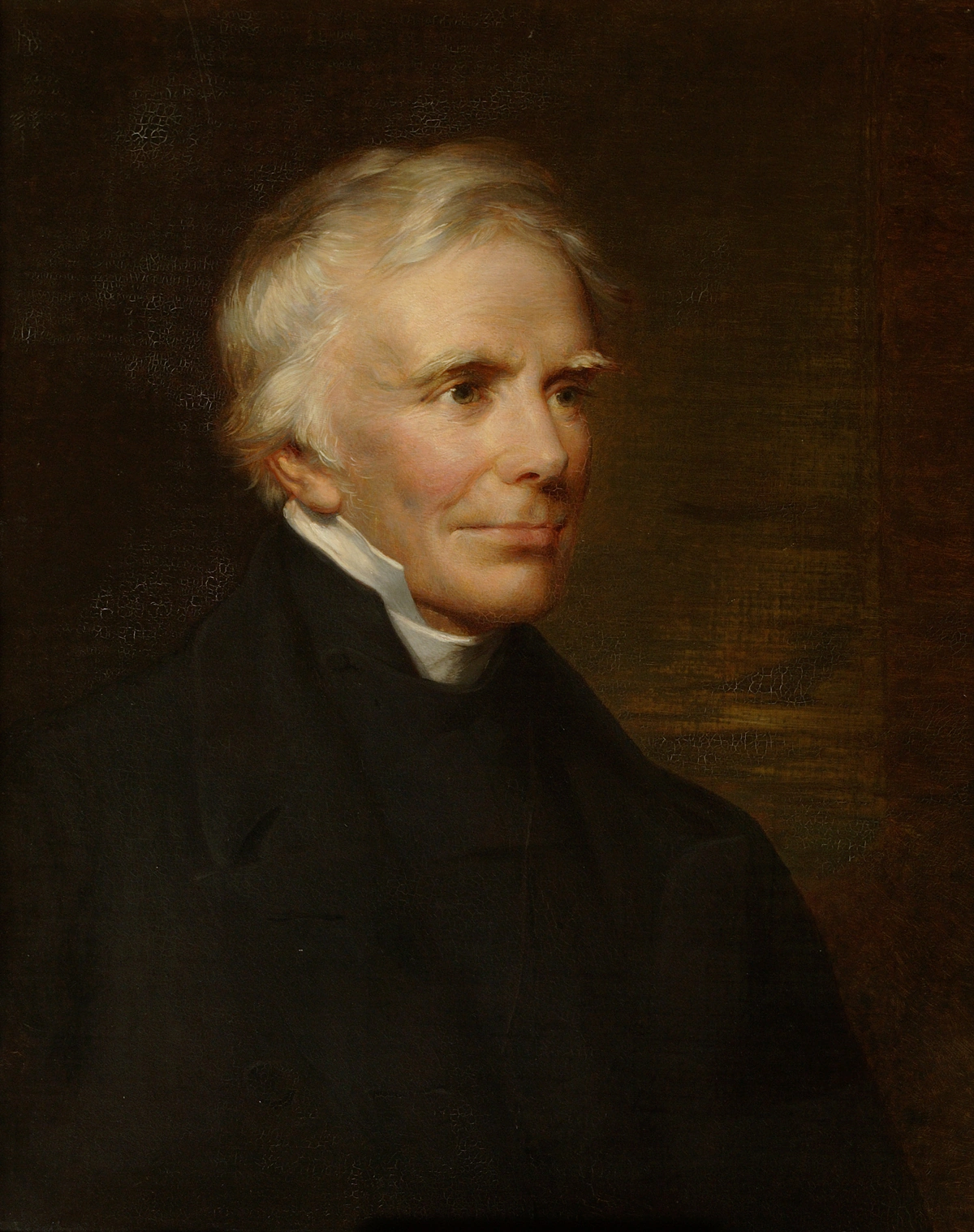
Attr: Oriel College
| 3 Quotes | |
| Occup. | Clergyman |
| From | England |
| Spouse | Mary Scott |
| Born | April 25, 1792 Fairford, Gloucestershire, England |
| Died | March 29, 1866 Bournemouth, Hampshire, England |
| Cause | Natural causes |
| Aged | 73 years |
| Cite | |
Citation Formats
APA Style (7th ed.)
John keble biography, facts and quotes. (2026, February 24). FixQuotes. https://fixquotes.com/authors/john-keble/
Chicago Style
"John Keble biography, facts and quotes." FixQuotes. February 24, 2026. https://fixquotes.com/authors/john-keble/.
MLA Style (9th ed.)
"John Keble biography, facts and quotes." FixQuotes, 24 Feb. 2026, https://fixquotes.com/authors/john-keble/. Accessed 5 Mar. 2026.
Early Life and Background
John Keble was born on April 25, 1792, at Fairford in Gloucestershire, into the household of the Rev. John Keble, a learned parish priest and schoolmaster, and Sarah Maule. England in his childhood was an Anglican nation under strain - the long shadow of the French Revolution, the Napoleonic wars, and accelerating social change - yet the Keble home cultivated an older rhythm of prayer, classical reading, and local duty. The future poet-priest grew up among books, church seasons, and the close-grained knowledge of rural lives that later made his religious verse feel less like ornament than like a parish calendar written in meter.A precocious child, Keble was shaped early by familial discipline and by a temperament drawn to quiet fidelity rather than public display. That inwardness could look like reserve, but it also formed the habit of intense attention - to language, to conscience, and to the moral weather of his time. The Anglican Church he inherited was torn between latitudinarian respectability and evangelical urgency; Keble would come to believe that both forgot something essential: the Church as a holy society, visibly continuous with antiquity, and responsible for forming the imagination as much as policing belief.
Education and Formative Influences
Educated first by his father, Keble entered Corpus Christi College, Oxford, and quickly became one of the university's celebrated prodigies, winning the highest honors and becoming a Fellow of Oriel. At Oxford he absorbed the classics, patristic theology, and a severe ideal of moral seriousness that suited his nature. He also entered the circle that would become decisive for 19th-century Anglicanism: the younger generation of High Churchmen at Oriel, including John Henry Newman and Richard Hurrell Froude, whose shared conviction was that the Church of England needed not novelty but recovery - of sacramental life, apostolic authority, and spiritual discipline.Career, Major Works, and Turning Points
Ordained in 1816, Keble served as a curate and tutor, and in 1827 became Professor of Poetry at Oxford, a role that displayed his fusion of literary craft and devotional intent. His breakthrough came with The Christian Year (1827), a cycle of poems aligned with the Prayer Book and the liturgical year, which became one of the century's most widely read religious books and helped re-sacralize ordinary Anglican piety. The major public turning point came on July 14, 1833, when his Assize Sermon, later known as "National Apostasy", protested state encroachments on the Church; it is often treated as the spark that ignited the Oxford Movement. When Newman moved toward Rome, Keble remained, embodying a steadier, parish-rooted High Churchmanship. From 1836 he served as vicar of Hursley near Winchester, living the life he had praised - pastoral visiting, careful preaching, and quiet leadership - while continuing to write, including Lyra Innocentium (1846) and theological work such as his edition and defense of Hooker.Philosophy, Style, and Themes
Keble's inner life was governed by a pursuit of sanctity that distrusted display. His poetry and prose return to a single question: how can a distracted, modern self be trained into prayerful steadiness? The answer, for Keble, was not private enthusiasm but the Church's habits - the Prayer Book, the seasons, the sacraments, and the slow education of desire. He cherished peace not as comfort but as a spiritual condition that follows obedience and reconciliation; the line “Peace is the first thing the angels sang”. captures his belief that heaven's music begins in ordered love, not mere feeling. Even his public interventions were framed as pastoral warnings: when the state treats the Church as an instrument, souls are subtly taught to treat God the same way.His style is deliberately chastened: classical clarity, restrained imagery, and an ear for hymnic cadence rather than rhetorical fireworks. Yet the restraint is purposeful, a poetics of self-government that keeps the reader near the devotional act. “And help us, this and every day, to live more nearly as we pray”. condenses his psychology - the fear of hypocrisy, the hunger for integrity, and the conviction that words must educate conduct. Keble also understood artistic community as moral exchange rather than competition; “As fire kindled by fire, so is the poet's mind kindled by contact with a brother poet”. fits the Oxford world that formed him, where conversation, sermons, and shared reading became instruments of spiritual sharpening. Across his work, nature is not a substitute religion but a sacramental hint, valuable because it points beyond itself; and history is not nostalgia but a claim that the present is answerable to the communion of saints.
Legacy and Influence
Keble died on March 29, 1866, and by then The Christian Year had helped reawaken Anglican devotion across classes, shaping hymnody, parish practice, and the very idea that poetry could be a vehicle of disciplined prayer. As a leader of the Oxford Movement, he provided something rarer than polemic: a model of continuity between theological conviction and daily pastoral life, influencing Anglo-Catholic spirituality and the wider revival of liturgy, church architecture, and sacramental devotion in Victorian England. His enduring influence lies less in a system than in a tone - reverent, exacting, and humane - that taught generations to treat holiness as something learned over time, in public worship and private conscience, until belief becomes a way of seeing and living.Our collection contains 3 quotes written by John, under the main topics: Poetry - Peace - Prayer.
Other people related to John: John Henry Newman (Clergyman), Elizabeth Missing Sewell (Writer), Charlotte Mary Yonge (Novelist), Frederick William Faber (Theologian)
Source / external links