
John Lyly Biography Quotes 11 Report mistakes
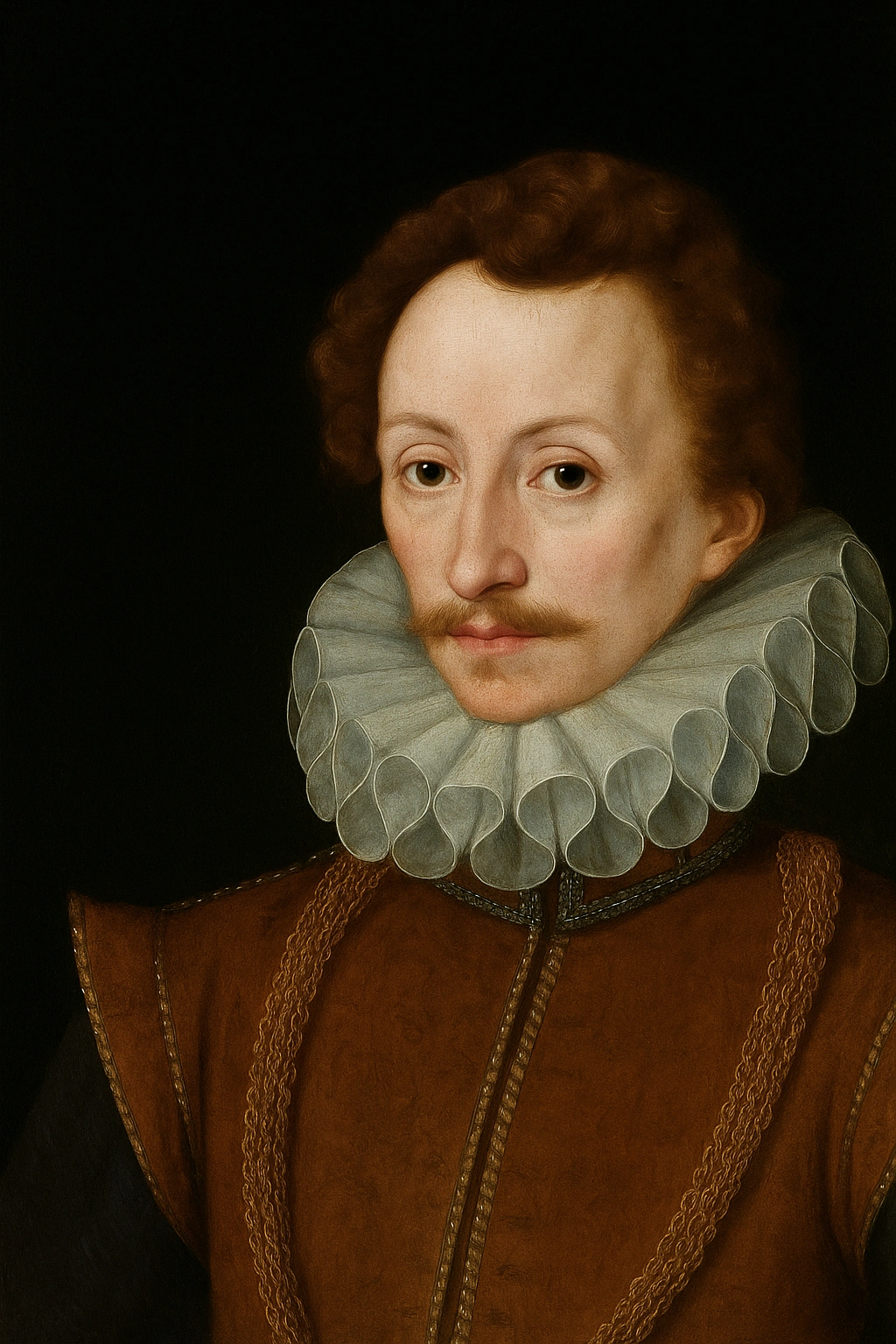
| 11 Quotes | |
| Occup. | Writer |
| From | England |
| Born | 1554 AC Kent, England |
| Died | November 30, 1606 London, England |
| Cite | |
Citation Formats
APA Style (7th ed.)
John lyly biography, facts and quotes. (2026, February 11). FixQuotes. https://fixquotes.com/authors/john-lyly/
Chicago Style
"John Lyly biography, facts and quotes." FixQuotes. February 11, 2026. https://fixquotes.com/authors/john-lyly/.
MLA Style (9th ed.)
"John Lyly biography, facts and quotes." FixQuotes, 11 Feb. 2026, https://fixquotes.com/authors/john-lyly/. Accessed 5 Mar. 2026.
Early Life and Background
John Lyly was born around 1554 in Kent, England, into the widening world of Elizabethan ambition, where grammar schools trained boys not only to read but to perform intelligence. England in Lyly's youth was a nation sharpening its public voice: the court of Elizabeth I made style a form of power, and the new commercial stage in London turned talk into profit. From the start Lyly belonged to a generation for whom wit was not ornament but currency.His family connections mattered. Lyly was the grandson of William Lyly, a celebrated grammarian whose Latin textbook (long associated with the "Lily's Grammar" used in schools) helped standardize the very drills by which Tudor boys learned to argue, translate, and pattern sentences. That inheritance placed Lyly close to the nerve of rhetorical education, and it helps explain why his later writing so often feels like speech under pressure - sentences polished until they can persuade, tease, and sting in the same breath.
Education and Formative Influences
Lyly entered Magdalen College, Oxford, in the early 1570s, taking his BA in 1573 and MA in 1575, and he remained long enough to absorb the humanist ideals that tied eloquence to moral formation. At Oxford he also met the limitations of patronage and preferment: he sought, and failed to secure, royal letters recommending him for a fellowship, an early lesson in how talent could be noticed yet still stall without the right backer. Classical models - especially prose romance, moral dialogue, and myth - merged in him with the competitive verbal culture of the Elizabethan court, where an argument won in a chamber could matter as much as a battle won abroad.Career, Major Works, and Turning Points
Lyly made his name in London with the prose romances Euphues: The Anatomy of Wit (1578) and Euphues and His England (1580), books whose patterned sentences and antithetical phrasing became so fashionable that "euphuism" entered the language as both praise and satire. He pivoted decisively to drama in the 1580s, writing courtly comedies for boy companies, especially the Children of Paul's and the Children of the Chapel: Campaspe, Sapho and Phao, Endimion, Gallathea, Midas, Mother Bombie, and Love's Metamorphosis. These plays, rich in myth and political allegory, suited the tastes of a court that preferred insinuation to bluntness. Lyly also served as a Member of Parliament (notably in the later 1580s and early 1590s) and pursued the lucrative office of Master of the Revels, but despite repeated petitions he never obtained it. That disappointment, combined with changing theatrical fashions and the rise of rival playwrights, left him increasingly on the margins; he died in 1606 and was buried in London at St Bartholomew-the-Less.Philosophy, Style, and Themes
Lyly's inner life is best approached through his obsession with social masks - how desire, reputation, and political survival distort even sincere feeling. In Euphues and the plays alike, characters speak as if every sentence will be overheard by a judge, a lover, and a rival at once. His famous style is not merely decorative: it is a defense mechanism, turning emotion into structure, converting vulnerability into verbal control. Beneath the symmetry is anxiety about reversals - the swiftness with which admiration curdles and favor turns fatal. “As the best wine doth make the sharpest vinegar, so the deepest love turneth to the deadliest hate”. The line captures Lyly's recurring fear that passion is chemically unstable, and that intimacy is precisely where danger concentrates.Yet Lyly was no cynic without a moral center. He repeatedly tests the possibility that integrity can outlast fashion, and that clean judgment can survive a dirty world. His work proposes that the mind can keep its brightness even when forced to look at the grotesque, a courtly version of stoicism. “The sun shineth upon the dunghill, and is not corrupted”. That is Lyly's ideal of the self at court: exposed to flattery, lust, and intrigue, yet resisting contamination through disciplined perception. At the same time he distrusts the impulsive logic of attraction and the narratives lovers invent to justify it. “To give reason for fancy were to weigh the fire, and measure the wind”. His comedies, for all their elegance, keep returning to this paradox - that humans demand reasons for what is essentially ungovernable, then punish each other for failing to supply them.
Legacy and Influence
Lyly helped set the tone of early Elizabethan prose and comedy, shaping how English writers imagined wit as a social instrument. Euphuism, mocked by later satirists, still mattered as a training ground for precision: it pushed English toward a self-conscious artistry that later authors could refine or reject. Onstage his influence ran deep: his boy-company comedies and mythic allegories provided models for Shakespeare and other dramatists in their handling of disguise, erotic ambiguity, and court politics filtered through fable. If his later years suggest the fragility of literary fame without institutional power, his enduring achievement is clearer - he taught English literature to think of style not as surface but as strategy, a way the mind survives in an age when speech could be both ladder and snare.Our collection contains 11 quotes written by John, under the main topics: Wisdom - Friendship - Hope - Reason & Logic - Poetry.
Other people related to John: Robert Greene (Playwright), Thomas Nash (Writer), Thomas Lodge (Dramatist)
Frequently Asked Questions
- John Lyly writing style: John Lyly’s writing style, called euphuism, features highly patterned, balanced sentences, heavy alliteration, classical and biblical references, and elaborate wordplay.
- John Lyly books: John Lyly’s main works include “Euphues: The Anatomy of Wit,” “Euphues and His England,” and plays such as “Gallathea,” “Campaspe,” “Sapho and Phao,” “Endymion,” and “Midas.”
- John Lyly Euphues: “Euphues” is John Lyly’s highly ornate prose romance, written in a style so distinctive it gave rise to the term “euphuism,” marked by balanced sentences, alliteration, and elaborate wordplay.
- John Lyly Galatea: “Gallathea” (often modernized as “Galatea”) is John Lyly’s pastoral comedy, first performed around 1585, known for its witty dialogue, mythological setting, and exploration of love and identity.
- John Lyly famous work: John Lyly’s most famous work is the prose romance “Euphues: The Anatomy of Wit” and its sequel “Euphues and His England.”
- John Lyly poems: John Lyly is best known for prose and plays rather than poems; his works often contain lyrical and courtly passages but he is not chiefly remembered as a poet.
- John Lyly pronunciation: John Lyly is usually pronounced “LYE-lee” (RYE-lee).
John Lyly Famous Works
- 1591 Endymion, the Man in the Moon (Play)
- 1584 Sapho and Phao (Play)
- 1584 Campaspe (Play)
- 1580 Euphues and his England (Book)
- 1578 Euphues: The Anatomy of Wit (Book)
Source / external links