
John Masefield Biography Quotes 11 Report mistakes
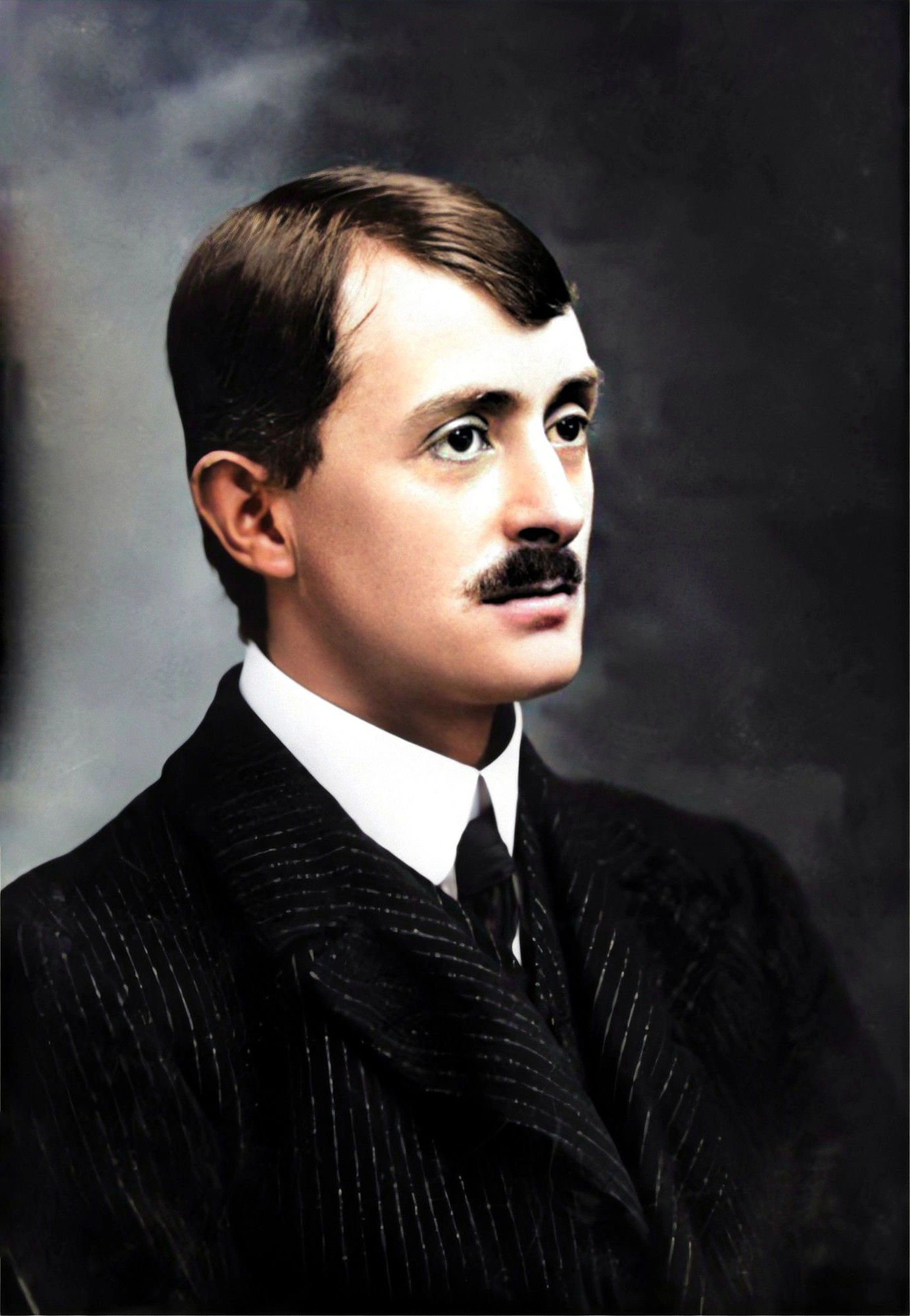
| 11 Quotes | |
| Born as | John Edward Masefield |
| Occup. | Poet |
| From | England |
| Born | June 1, 1878 Ledbury, Herefordshire England |
| Died | May 12, 1967 |
| Aged | 88 years |
| Cite | |
Citation Formats
APA Style (7th ed.)
John masefield biography, facts and quotes. (2026, February 11). FixQuotes. https://fixquotes.com/authors/john-masefield/
Chicago Style
"John Masefield biography, facts and quotes." FixQuotes. February 11, 2026. https://fixquotes.com/authors/john-masefield/.
MLA Style (9th ed.)
"John Masefield biography, facts and quotes." FixQuotes, 11 Feb. 2026, https://fixquotes.com/authors/john-masefield/. Accessed 22 Mar. 2026.
Early Life and Background
John Edward Masefield was born on June 1, 1878, in Ledbury, Herefordshire, a market town where rural labor and Nonconformist seriousness sat close to old parish stone. He was raised in the late-Victorian hinge between agricultural England and an expanding imperial economy, a world that still prized endurance and duty, yet was beginning to industrialize feeling into schedules, wages, and distance.His childhood was marked by early loss and displacement. Orphaned young, he was sent to live with an aunt, and the experience left him with a lifelong attentiveness to the inner weather of abandonment - the way loneliness can harden into self-reliance, or soften into a hunger for belonging. The landscapes of Herefordshire, and later the pull of ports and ships, became for him not just scenery but a substitute kinship - places that could be trusted when people could not.
Education and Formative Influences
Educated at King Edward's School in Warwick, Masefield read widely but chafed at confinement; his imagination ran ahead of his prospects. In 1894 he was apprenticed to a merchant ship, a practical solution that proved artistically decisive: the sea taught him toil, risk, and an ethics of competence, while also giving him a portable theater of voices - sailors, stevedores, drifters - whose speech rhythms he later transmuted into narrative poetry and drama.Career, Major Works, and Turning Points
After time at sea and a difficult period ashore, including work in the United States, Masefield committed to writing and published steadily from the early 1900s. His breakthrough came with sea-haunted poems and ballads that fused lyric intensity with working-class labor, culminating in Salt-Water Ballads (1902) and the long narrative poem The Everlasting Mercy (1911), whose blunt spiritual crisis startled Edwardian readers used to polite verse. Success broadened into novels, plays, and criticism; during World War I he undertook wartime writing and public service, and in 1930 he was appointed Poet Laureate, a role he held until his death on May 12, 1967, spanning the trauma of two world wars and the contraction of empire that had once supplied his early horizons.Philosophy, Style, and Themes
Masefield's inner life is best understood as a tension between restlessness and moral gravity. He prized motion - physical, social, spiritual - yet distrusted mere escape, insisting that a life worth singing about must pay its costs. His most famous yearning, “I must go down to the sea again, to the lonely sea and the sky; and all I ask is a tall ship and a star to steer her by”. , is not simply romantic wanderlust but a psychological compass: the sea as solitude chosen rather than suffered, the "star" as an earned direction when family and fortune have failed to provide one. The line carries his characteristic bargain with existence - give me hardship, but let it be meaningful.At the same time, he worried about poetry's shrinking public place in modern life, arguing that mass print and specialization had narrowed what had once been shared song. “Since the printing press came into being, poetry has ceased to be the delight of the whole community of man; it has become the amusement and delight of the few”. That diagnosis explains his style: direct diction, strong narrative drive, and an almost vocational respect for intelligibility, as if he were rebuilding a bridge between art and ordinary work. His humane ideal was not elitist refinement but a common culture of attention - akin to his praise of learning as a moral community: “There are few earthly things more beautiful than a university a place where those who hate ignorance may strive to know, where those who perceive truth may strive to make others see”. In Masefield, knowledge and lyric are forms of service, not ornaments - ways to make experience bearable and shareable.
Legacy and Influence
Masefield endured as a defining English voice of the early 20th century: a poet of sea-roads and inward reckonings who proved that modern poetry could carry rough speech, religious doubt, and manual labor without condescension. As Poet Laureate he became an institution, but his truer legacy lies in the works that keep faith with ordinary lives under pressure - poems that turn work and wandering into metaphors for conscience. Later writers drew from his example of narrative force and musical plainness, and generations of readers have returned to him for the same reason sailors return to charts: not because they promise calm, but because they help you steer.Our collection contains 11 quotes written by John, under the main topics: Wisdom - Nature - Poetry - Knowledge - Gratitude.
John Masefield Famous Works
- 1935 The Box of Delights (Novel)
- 1927 The Midnight Folk (Novel)
- 1919 Reynard The Fox (Narrative Poem)
- 1911 The Everlasting Mercy (Narrative Poem)
- 1910 The Tragedy of Pompey the Great (Play)
- 1902 Sea-Fever (Poem)
Source / external links