
John Newton Biography Quotes 4 Report mistakes
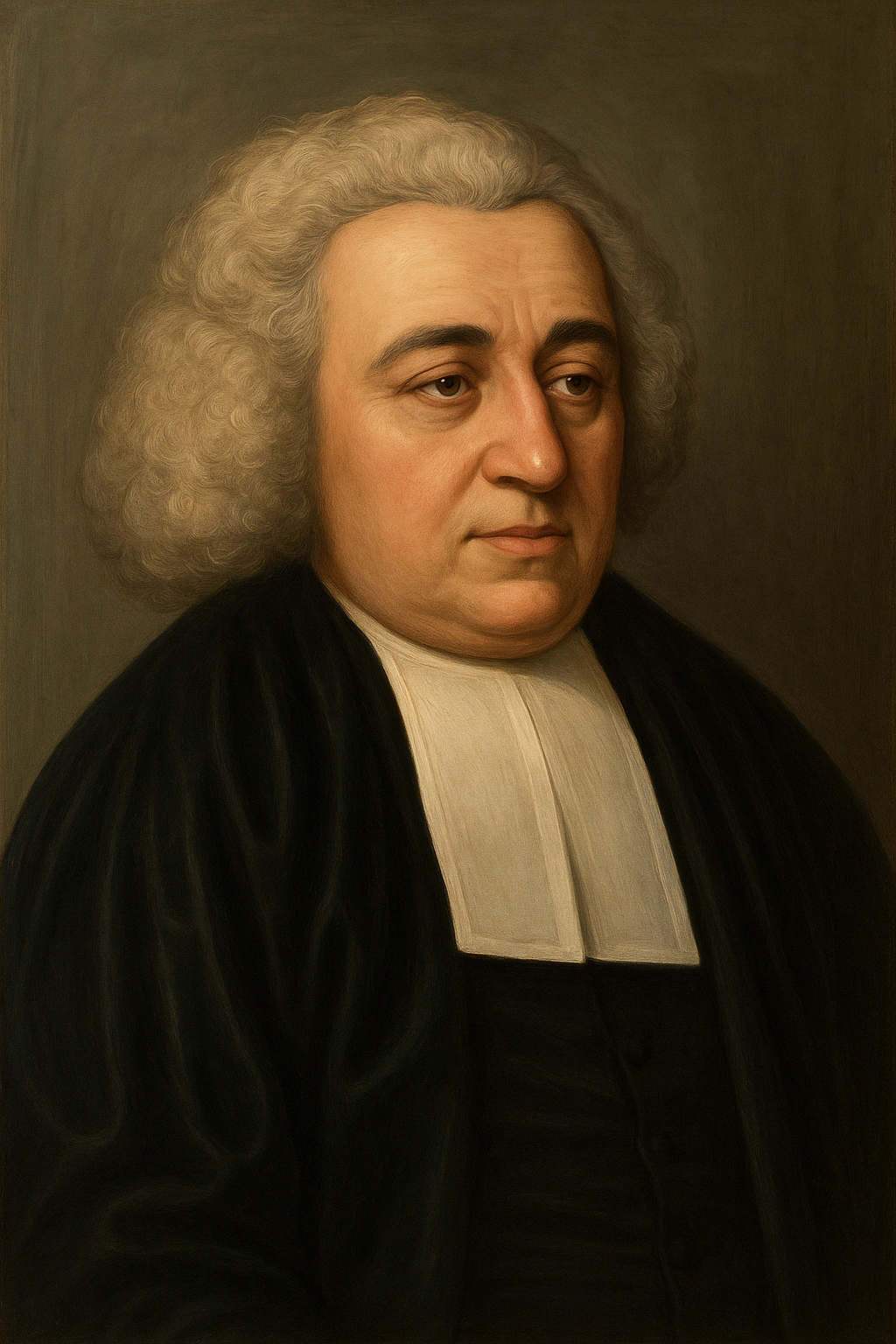
Attr: Contemporary portrait
| 4 Quotes | |
| Occup. | Soldier |
| From | USA |
| Born | August 4, 1725 Wapping, London, England |
| Died | December 21, 1807 London, England |
| Aged | 82 years |
| Cite | |
Citation Formats
APA Style (7th ed.)
John newton biography, facts and quotes. (2026, February 26). FixQuotes. https://fixquotes.com/authors/john-newton/
Chicago Style
"John Newton biography, facts and quotes." FixQuotes. February 26, 2026. https://fixquotes.com/authors/john-newton/.
MLA Style (9th ed.)
"John Newton biography, facts and quotes." FixQuotes, 26 Feb. 2026, https://fixquotes.com/authors/john-newton/. Accessed 27 Mar. 2026.
Early Life and Background
John Newton was born on August 4, 1725, in Wapping, London, a river-and-sea district where the smell of tar and saltwater shaped childhood imagination. His father, also John Newton, was a shipmaster in the Mediterranean trade; his mother, Elizabeth (nee Scatliff), was a devout Dissenter whose piety and Bible language lodged early in her son's memory. She died when he was young, a loss Newton later treated as both wound and warning - the first fracture in a life that would keep testing how far a person can drift and still find a way home.
The England of his youth was a maritime empire built on war, commerce, and human captivity, and Newton entered that world almost by inheritance. He went to sea as a boy, learned the rough ethics of shipboard hierarchy, and acquired the hard shell of a sailor who survives by wit, profanity, and nerve. His early years were not a steady apprenticeship but a series of jolts - harsh discipline, temptation, and the volatile mix of ambition and restlessness that would later make his conversions feel less like sudden miracles than like long-delayed recognitions.
Education and Formative Influences
Newton had no elite schooling; his education was practical, pieced together from navigation, the sea's mathematics, and voracious self-teaching whenever he found books. Yet his deepest formative influence was linguistic and spiritual: the Scripture-saturated faith of his mother, which remained in him like buried seed through years of dereliction. He also absorbed the era's moral contradictions - a nation that sang hymns while financing plantations and slave ships - and those contradictions became the psychological pressure that later drove him toward confession, memoir, and moral argument.
Career, Major Works, and Turning Points
Often mislabeled simply as a soldier, Newton was chiefly a mariner and, for a time, a participant in the transatlantic slave trade - pressed into Royal Navy service as a young man, then working in West African and Atlantic routes before becoming a captain. A terrifying storm at sea in 1748 marked the beginning of his religious awakening, though his renunciation of the trade came more slowly, complicated by economics, illness, and the habits of an industry that normalized cruelty. After leaving seafaring, he became an Anglican clergyman, serving first in Olney, Buckinghamshire (from 1764), and later at St. Mary Woolnoth in London (from 1780). His major works grew out of pastoral labor: the hymn "Amazing Grace" (1772), the Olney Hymns (1779, with William Cowper), and a large body of widely read letters and sermons. In 1788 he publicly supported abolition with Thoughts Upon the African Slave Trade, turning his own past into evidence against the system he once served.
Philosophy, Style, and Themes
Newton's inner life was marked by a particular tension: intense self-suspicion paired with an equally intense confidence in mercy. He distrusted religious drama that ignored time and temperament, insisting instead on slow moral weathering. “God works powerfully, but for the most part gently and gradually”. This sentence compresses his psychological realism: he had seen how habits, appetites, and fear shape a person, and he believed grace must be strong enough to outlast the long undoing of the self.
His pastoral style was plain, concrete, and strategically modest - the voice of a man who had lived among sailors and knew that lofty abstractions can conceal evasion. He returned obsessively to guilt not as a performance but as a diagnostic tool, a way to tell the truth about what people do when unobserved. “Many have puzzled themselves about the origin of evil. I am content to observe that there is evil, and that there is a way to escape from it, and with this I begin and end”. That refusal to theorize evil served his broader theme: repentance is less a philosophy than a route, walked daily. Likewise, his counsel about endurance aimed at the anxious mind that tries to live several lives at once: “We can easily manage if we will only take, each day, the burden appointed to it. But the load will be too heavy for us if we carry yesterday's burden over again today, and then add the burden of the morrow before we are required to bear it”. For Newton, sanctification was logistics of the soul - attention, patience, and honesty practiced over time.
Legacy and Influence
Newton's enduring influence rests on a paradox: he became a symbol of spiritual liberation while carrying a history entangled with slavery, and his later years were spent trying to keep that paradox visible rather than comfortable. "Amazing Grace" traveled far beyond its Anglican origins into revivalism, Black churches, civil rights gatherings, and public mourning, a hymn that made personal confession singable. His letters shaped evangelical pastoral culture, modeling gentleness without moral indifference, and his abolitionist testimony offered later reformers a case study in delayed conscience - both the danger of gradual awakening and its possibility. Newton is remembered not as a hero without stain, but as a man who insisted that truth-telling about the self is part of any credible hope for a changed world.
Our collection contains 4 quotes written by John, under the main topics: Witty One-Liners - Ethics & Morality - Live in the Moment - God.
Other people related to John: Charles Simeon (Clergyman), William Wilberforce (Politician)
Frequently Asked Questions
- John Newton story: John Newton’s story is that of a former sailor and participant in the slave trade who, after surviving a violent storm and undergoing a spiritual awakening, renounced his old life, became a Christian minister, opposed slavery, and wrote the hymn “Amazing Grace.”
- John Newton quotes: A well-known quote attributed to John Newton is: “I am a great sinner, and Christ is a great Savior.” Another is: “I am not what I ought to be… but by the grace of God I am what I am.”
- John Newton movie: John Newton’s life appears in several documentaries and is referenced in the film “Amazing Grace” (2006), which focuses on William Wilberforce and the abolition of the slave trade, with Newton as an important supporting figure.
- John Newton religion: John Newton was a Christian; he became an Anglican clergyman and evangelical preacher after his conversion.
- John Newton wife: Historically, John Newton married Mary Catlett (often called Polly); they were devoted to each other throughout their lives.
- John Newton Amazing Grace story: The “Amazing Grace” story is that John Newton, once involved in the transatlantic slave trade, experienced a profound Christian conversion and later wrote the hymn as a testimony to God’s grace and his own moral transformation.
- John Newton cause of death: Historically, John Newton (the English hymn writer) died of natural causes at an advanced age; the exact medical cause was not recorded.
- How old was John Newton? He became 82 years old
Source / external links