
John Portman Biography Quotes 4 Report mistakes
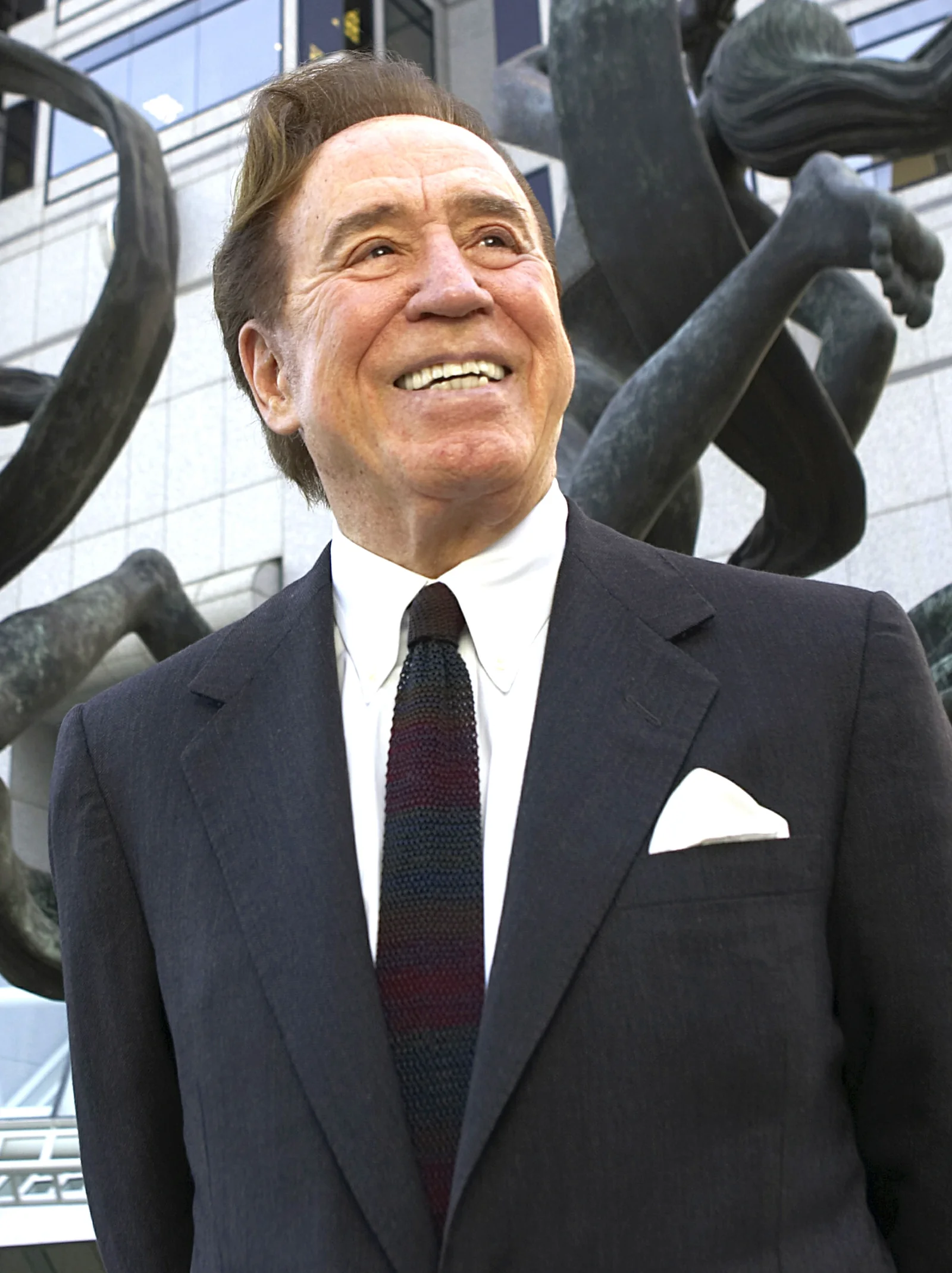
| 4 Quotes | |
| Born as | John Calvin Portman, Jr. |
| Known as | John C. Portman, Jr. |
| Occup. | Architect |
| From | USA |
| Born | December 4, 1924 Walhalla, South Carolina, USA |
| Age | 101 years |
| Cite | |
Citation Formats
APA Style (7th ed.)
John portman biography, facts and quotes. (2026, February 2). FixQuotes. https://fixquotes.com/authors/john-portman/
Chicago Style
"John Portman biography, facts and quotes." FixQuotes. February 2, 2026. https://fixquotes.com/authors/john-portman/.
MLA Style (9th ed.)
"John Portman biography, facts and quotes." FixQuotes, 2 Feb. 2026, https://fixquotes.com/authors/john-portman/. Accessed 27 Mar. 2026.
Early Life and Background
John Calvin Portman, Jr. was born on December 4, 1924, in Walhalla, South Carolina, and came of age during the Great Depression and the mass mobilization of World War II, when American cities were being recast by automobiles, corporate growth, and the promise of modern planning. Early on he showed an instinct for making things - drawing, shaping, and visualizing spaces - but his deeper fascination was with how people behaved in public places: where they paused, how they moved, what made them feel enclosed or released. That curiosity would later harden into a lifelong critique of the deadening downtown streetscape and the inward, controlled world of postwar commerce.After the war, Atlanta became the arena in which Portman would test his ideas. The city was expanding rapidly, courting conventions and corporate headquarters, yet struggling with suburban flight, segregation, and the hollowing out of its center. Portman saw in Atlanta a pragmatic opportunity: a place willing to take risks if the projects promised jobs, attention, and a new civic identity. His temperament - private, intensely driven, and unusually comfortable merging art, business, and design - suited a Sunbelt metropolis that rewarded builders who could translate vision into financing and steel.
Education and Formative Influences
Portman studied architecture at the Georgia Institute of Technology, graduating in 1950, and absorbed both modernist discipline and the new realities of American development: parking, air conditioning, convention tourism, and the multi-use project. He entered practice when the International Style was dominant, yet he was less interested in pristine objects than in the choreography of crowds. Early travel and observation reinforced the lesson that cities were not just forms but systems of movement and encounter; this pushed him toward the atrium, the interior street, the elevated walkway, and the building-as-urban-event.Career, Major Works, and Turning Points
In 1953 he founded John Portman and Associates in Atlanta and, crucially, became his own developer - a rare step that gave him control over concept, capital, and execution. His breakout was the Hyatt Regency Atlanta (opened 1967), whose soaring, daylit atrium and glass elevators turned hotel circulation into theater and helped redefine the late-20th-century convention hotel. That success led to a worldwide portfolio that included the Westin Peachtree Plaza (Atlanta, 1976), the Bonaventure Hotel (Los Angeles, 1976), Embarcadero Center (San Francisco, 1970s-1980s), and major mixed-use and hotel complexes in cities such as New York and Shanghai. In 1975 he was awarded the AIA Gold Medal. Across decades, his turning point remained consistent: he used spectacle and spatial generosity as an antidote to the shrinking public realm, while his development model let him build at a scale most architects could only draw.Philosophy, Style, and Themes
Portman framed architecture as a moral and psychological practice, not a sculptural contest. “Buildings should serve people, not the other way around”. That sentence captures his impatience with formalism and his belief that design succeeds only when it rewards the body in motion - with orientation, light, safety, and a sense of participation. He pursued the atrium not merely as a dramatic void but as an interior civic square where strangers could share an experience, a controlled substitute for the street at a time when many American downtowns felt unsafe or abandoned. His insistence on the human dimension was also self-directed: a disciplined man trying to make order from modern complexity, translating anxiety about urban decline into environments that promised coherence.His style often fused hard-edged modern materials with lush spatial effects - waterfalls, gardens, bridges, and the famous elevator ballet - to create what critics called "total environments". Yet he did not pretend these were neutral. “Architects in the past have tended to concentrate their attention on the building as a static object. I believe dynamics are more important: the dynamics of people, their interaction with spaces and environmental condition”. Portman designed for the moving eye and the circulating crowd, making architecture an event that unfolded over time. At its best, this produced places of real wonder and legibility; at its worst, it intensified privatized urbanism, pulling life indoors and upward into layered concourses and skybridges. His own explanation remained consistent: “We must learn to understand humanity better so that we can create an environment that is more beneficial to people, more rewarding, more pleasant to experience”. Underneath the confidence was a relentless need to justify scale with empathy.
Legacy and Influence
Portman died in 2017, but his imprint on Atlanta and on late-modern commercial architecture remains unmistakable: the atrium hotel, the mixed-use megastructure, and the idea that circulation can be spectacle are now part of global design language. He also changed the profession by demonstrating how an architect-developer could wield unusual agency, shaping not just buildings but financing, programming, and urban policy. Debate follows his work - praised for civic ambition and sensory drama, criticized for turning public life into managed interior worlds - yet that tension is the point: Portman forced a generation to confront how psychology, commerce, and urban fear reshape space, and he left a model of architecture as both performance and power.Our collection contains 4 quotes written by John, under the main topics: Wisdom - Art - Success - Vision & Strategy.
Frequently Asked Questions
- John Portman hotel Atlanta: Notable Atlanta hotels by John Portman include the Hyatt Regency and the Marriott Marquis.
- John Portman Hyatt Regency: The Hyatt Regency Atlanta, designed by John Portman, was completed in 1967.
- John Portman Atlanta: John Portman significantly influenced Atlanta's skyline with his architectural designs.
- John Portman hotels: John Portman designed several iconic hotels, including the Hyatt Regency and Marriott Marquis.
- John Portman III: John Portman III is a member of the Portman family, details about him are limited.
- What is John Portman net worth? John Portman's net worth was not publicly disclosed, and estimates vary.
- John Portman Sea Island: Located in Georgia, Sea Island features a residence designed by John Portman.
- John Portman IV wife: Information about John Portman IV's wife is not widely publicized.
- How old is John Portman? He is 101 years old
Source / external links