
John Steinbeck Biography Quotes 40 Report mistakes
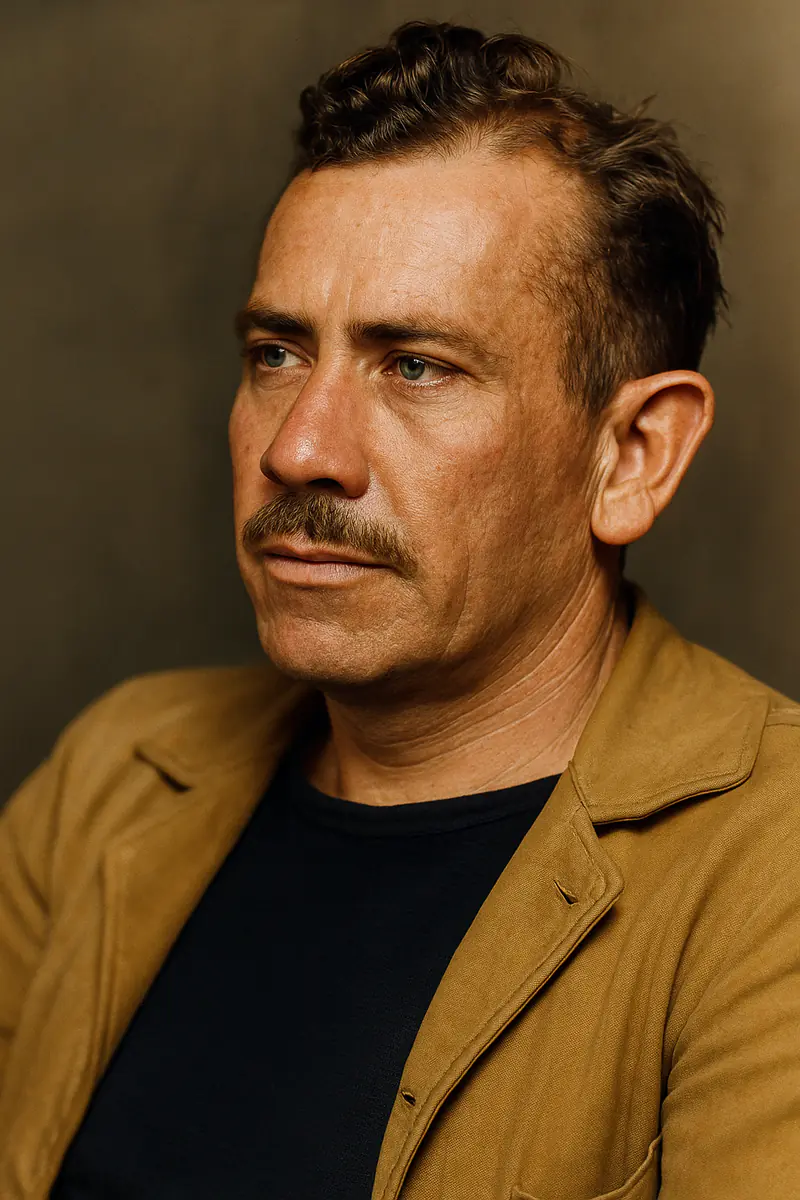
Attr: McFadden Publications, Inc.
| 40 Quotes | |
| Born as | John Ernst Steinbeck III |
| Known as | John Ernst Steinbeck |
| Occup. | Author |
| From | USA |
| Born | February 27, 1902 Salinas, California, USA |
| Died | December 20, 1968 New York City, USA |
| Aged | 66 years |
John Ernst Steinbeck Jr. was born on February 27, 1902, in Salinas, California, a fertile agricultural valley whose landscapes and communities became the enduring setting for much of his fiction. His father, John Ernst Steinbeck Sr., worked in various county positions, and his mother, Olive Hamilton Steinbeck, a former schoolteacher, instilled in him a love of reading. Steinbeck attended Salinas High School and, beginning in 1919, studied intermittently at Stanford University. He left without a degree in the mid-1920s, preferring a self-directed apprenticeship that combined odd jobs with steady writing. Seasonal labor, ranch and factory work, and time as a reporter gave him first-hand knowledge of the working lives he later portrayed.
Apprenticeship and First Books
After an early, difficult stint in New York, Steinbeck returned to California and settled for a time in Pacific Grove. His parents provided occasional support so he could keep writing. He published his first novel, Cup of Gold (1929), followed by The Pastures of Heaven (1932) and To a God Unknown (1933). These early works found modest audiences but began to sketch his central concerns: community, land, faith, and the costs of ambition. A major turning point came when he befriended the marine biologist Edward F. Ricketts in Monterey. Ricketts' wide-ranging curiosity, field methods, and humanistic philosophy shaped Steinbeck's thinking and methods, particularly his interest in group behavior and ecological interdependence.
Breakthrough and Major Works
Tortilla Flat (1935) brought Steinbeck popular success with its comic yet sympathetic portrayal of paisano life near Monterey. He followed with In Dubious Battle (1936), a stark novel about agricultural labor organizing, and Of Mice and Men (1937), a tightly constructed novella and later a stage play about friendship and vulnerability among itinerant workers. The Grapes of Wrath (1939), drawn from journalistic investigations he conducted among Dust Bowl migrants and from guidance by relief-camp manager Tom Collins, became his signature book. Its chronicle of the Joad family's journey and struggle in California brought both acclaim and controversy. The novel earned the Pulitzer Prize and the National Book Award and was adapted to film by director John Ford, with Henry Fonda in a celebrated performance.
War Years and Collaborations
During World War II, Steinbeck served as a war correspondent, filing dispatches from the European theater. He also produced Bombs Away (1942), an account of Army Air Forces training. His collaboration with Ricketts led to The Sea of Cortez (1941), later reissued in part as The Log from the Sea of Cortez (1951), a narrative blending scientific observation with philosophical reflection from their expedition aboard the Western Flyer. Steinbeck's ties to Hollywood grew: he wrote the screenplay for Viva Zapata! (1952), directed by Elia Kazan and starring Marlon Brando, and saw his novels repeatedly adapted for stage and screen, including Of Mice and Men and later East of Eden with James Dean. His editor and advocate Pascal Covici at Viking Press was a steady presence across these productive years.
Later Novels and Nonfiction
The 1940s and 1950s broaded his range. Cannery Row (1945) and its companion Sweet Thursday (1954) returned to Monterey's margins with humor and affection. The Pearl (1947) distilled a parable about desire and fate. East of Eden (1952), an ambitious Salinas Valley family saga, became one of his most personal works, framed as a legacy for his sons. A Russian Journal (1948), created with the photographer Robert Capa, offered snapshots of everyday Soviet life just after the war. Travels with Charley (1962) recounted his cross-country trip in a camper he called Rocinante, accompanied by his poodle, Charley, at a time when he was taking stock of changes across the United States.
Nobel Prize and Public Debates
In 1962 Steinbeck received the Nobel Prize in Literature for a body of work that combined realistic detail with moral imagination. The honor cemented his international reputation but also intensified debates already surrounding his career. From The Grapes of Wrath onward, he had drawn criticism from some growers and officials, who saw his depictions of migrant labor as inflammatory, and from certain literary critics who questioned his experiments with allegory and social reportage. He remained engaged with public life, traveling as a journalist to Vietnam in the mid-1960s and writing letters from the field, even as he wrestled with the political and generational divides that marked that era.
Personal Life
Steinbeck's personal life intertwined with his work. He married Carol Henning in 1930; she typed manuscripts and helped shape early drafts during the years of his breakthrough. After their divorce, he married the singer Gwyndolyn Conger; the couple had two sons, Thomas and John (later known as John Steinbeck IV). In 1950 he married Elaine Anderson, a former stage manager and actress who became his partner and literary steward for the rest of his life. His friendship with Ed Ricketts remained formative until Ricketts' death in 1948, a loss that left a lasting mark. Living between California and, later, New York, he balanced a private routine of disciplined writing with a public role that brought him into contact with editors, filmmakers, and fellow writers.
Final Years and Death
In his later years Steinbeck lived primarily in New York City with Elaine, while maintaining ties to Long Island and to California. He continued to publish essays, journalism, and occasional fiction, and he corresponded widely with friends and colleagues. Health problems, including heart disease, increasingly constrained his activity. He died in New York on December 20, 1968. He was buried in Salinas, returning in death to the landscape that had animated so much of his work.
Legacy
Steinbeck's legacy rests on an unusually wide bridge between documentary realism and parable, between observed community life and mythic patterning. He gave American literature enduring portraits of the dispossessed, the resilient, and the flawed, and he did so in a prose style that could move from spare dialogue to lyrical description of fields, tides, and towns. Figures around him shaped that achievement: the scientific and philosophical companionship of Ed Ricketts; the editorial support of Pascal Covici; the performers and directors such as John Ford, Elia Kazan, Henry Fonda, Marlon Brando, and James Dean who carried his characters onto screens; and the friends and family who sustained his efforts through lean years and acclaim alike. From the Salinas Valley to the broader American stage, Steinbeck's work remains central to how readers understand the social and moral dramas of the 20th century.
Our collection contains 40 quotes who is written by John, under the main topics: Witty One-Liners - Ethics & Morality - Wisdom - Justice - Leadership.
Other people realated to John: Carlisle Floyd (Composer), Woody Guthrie (Musician), Al Capp (Cartoonist), Broderick Crawford (Actor), Gary Sinise (Actor), Jane Darwell (Actress)
Frequently Asked Questions
- John Steinbeck died: December 20, 1968, New York City
- John Steinbeck spouse: Carol Henning; Gwyndolyn Conger; Elaine Anderson Steinbeck
- John Steinbeck education: Stanford University (attended, no degree)
- John Steinbeck IV: His son; a journalist and author (1946–1991)
- John Steinbeck title of breakout work: Tortilla Flat
- John Steinbeck books: The Grapes of Wrath; Of Mice and Men; East of Eden; Tortilla Flat; Cannery Row
- How old was John Steinbeck? He became 66 years old
John Steinbeck Famous Works
- 1954 Sweet Thursday (Novel)
- 1952 East of Eden (Novel)
- 1947 The Pearl (Novella)
- 1945 Cannery Row (Novel)
- 1939 The Grapes of Wrath (Novel)
- 1937 Of Mice and Men (Novella)
- 1936 In Dubious Battle (Novel)
- 1935 Tortilla Flat (Novel)
- 1933 The Red Pony (Novella)
Source / external links