
John Webster Biography Quotes 19 Report mistakes
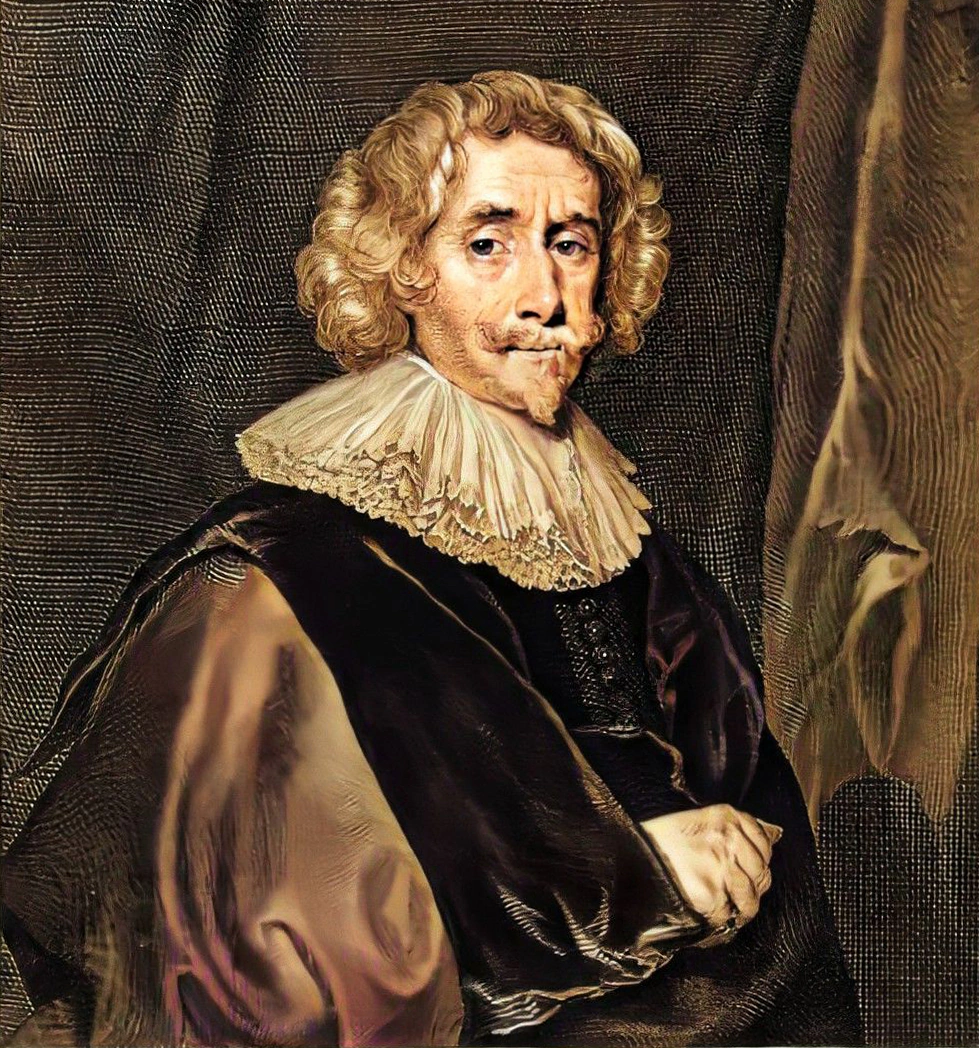
| 19 Quotes | |
| Occup. | Playwright |
| From | England |
| Born | 1578 AC England |
| Died | 1634 AC England |
| Cite | |
Citation Formats
APA Style (7th ed.)
John webster biography, facts and quotes. (2026, February 11). FixQuotes. https://fixquotes.com/authors/john-webster/
Chicago Style
"John Webster biography, facts and quotes." FixQuotes. February 11, 2026. https://fixquotes.com/authors/john-webster/.
MLA Style (9th ed.)
"John Webster biography, facts and quotes." FixQuotes, 11 Feb. 2026, https://fixquotes.com/authors/john-webster/. Accessed 27 Mar. 2026.
Early Life and Background
John Webster was born around 1578 into late-Elizabethan London, a city where plague closures, sermons, apprenticeships, and playhouses competed for the same streets. The evidence for his family is thin but telling: he is widely taken to be the John Webster baptized at St Sepulchre-without-Newgate, the son of a prosperous coachmaker also named John Webster. If so, he grew up near the law courts and the commercial arteries that fed the theater, in earshot of public punishment and public spectacle - the same civic mechanics that his tragedies later anatomized with pitiless intimacy.Webster came of age as the English stage matured from the exuberant violence of the 1590s into the darker Jacobean appetite for inwardness, intrigue, and moral shock. Londoners lived with the texture of sudden reversal - a bad year of disease, a patron lost at court, a charge of recusancy, a riot - and Webster absorbed that atmosphere of brittle security. In his plays, greatness is never stable; rank and rhetoric are only thin armor against appetite, corruption, and mortality.
Education and Formative Influences
No secure record places Webster at university or Inns of Court, yet his drama is saturated with legal language, court procedure, and the lawyerly parsing of motive, suggesting sustained proximity to that world. He entered the theatrical industry as a professional collaborator, writing for a repertory system in which speed mattered and authorship was porous; his early work with Thomas Dekker, including Westward Ho (1604) and Northward Ho (1605), trained him in satiric urban observation, quick scene-making, and the stagecraft of London types. At the same time he inherited the Senecan revenge tradition and the psychological daring opened by Shakespeare and the bleak intelligence of Middleton, translating these influences into a personal tone: compressed, ferocious, and strangely tender toward the spiritually marooned.Career, Major Works, and Turning Points
Webster's decisive artistic turn arrived with his great tragedies for the King's Men: The White Devil (first performed 1612, printed 1612) and The Duchess of Malfi (c. 1613-1614, printed 1623). The White Devil reportedly failed at its initial performance, a setback Webster met with a proud preface blaming the audience and the conditions of production; the failure pushed him toward even sharper clarity in The Duchess of Malfi, where the moral weather is colder, the structure tighter, and the heroine's dignity made a blade against the play's cruelty. He wrote further tragic and tragicomic work, including The Devil's Law-Case (printed 1623), and collaborated late with William Rowley on A Cure for a Cuckold (c. 1624-1625). After the mid-1620s the documentary trail fades; he likely died around 1634, leaving a small canon whose intensity outweighed its size.Philosophy, Style, and Themes
Webster's theater is built on the conviction that power is theatrical and that institutions are moral engines capable of manufacturing sin while remaining outwardly respectable. His lines turn civic realism into metaphysics: “A politician is the devil's quilted anvil; He fashions all sins on him, and the blows are never heard”. The image is psychological as much as political - the self becomes an instrument that can be struck without seeming to bruise, a conscience padded by office, rhetoric, and custom. In The White Devil, the courtroom is a stage and the stage a courtroom; in The Duchess of Malfi, surveillance and ceremony become the grammar of cruelty, with the victims forced to speak inside the language that condemns them.His style fuses barbed aphorism with sudden lyric hush, and his characters think like predators and penitents in the same breath. Desire, in Webster, is seldom romantic; it is a masquerade that insults the intelligence even as it seduces it: “Though lust do masque in ne'er so strange disguise she's oft found witty, but is never wise”. Yet he refuses simple moral bookkeeping. He is fascinated by how people justify themselves - how wit becomes a solvent for shame, how ideology becomes a privacy. Underneath runs a bleak sociology of ambition, the sense that public striving is childish and self-defeating: “In all our quest of greatness, like wanton boys, whose pastime is their care, we follow after bubbles, blown in the air”. That metaphor captures Webster's inner climate: a mind alert to glamour and allergic to its lies, drawn to the moment the bubble flashes, then breaks.
Legacy and Influence
Webster's reputation has moved in cycles - admired by Restoration readers for his "sentences", feared by moralists for his violence, rediscovered by Romantics and later modernists for his psychological darkness and urban truthfulness. The Duchess of Malfi in particular became a touchstone for actresses and directors because it makes integrity audible under pressure and gives tragedy to a woman without making her innocence naive; it also helped shape the modern taste for drama that treats power as a system rather than a villain. Across four centuries, Webster has endured because his plays feel less like period pieces than like case studies in how institutions recruit language, family, and desire into complicity - and how, even then, a single human voice can sound briefly, terrifyingly free.Our collection contains 19 quotes written by John, under the main topics: Witty One-Liners - Ethics & Morality - Wisdom - Justice - Friendship.
Other people related to John: William Rowley (Dramatist), Thomas Middleton (Poet), Tom Cochrane (Musician), Cyril Tourneur (Dramatist)
John Webster Famous Works
- 1654 Appius and Virginia (Play)
- 1625 A Cure for a Cuckold (Play)
- 1623 The Devil's Law-Case (Play)
- 1614 The Duchess of Malfi (Play)
- 1612 The White Devil (Play)
Source / external links