
John Zorn Biography Quotes 25 Report mistakes
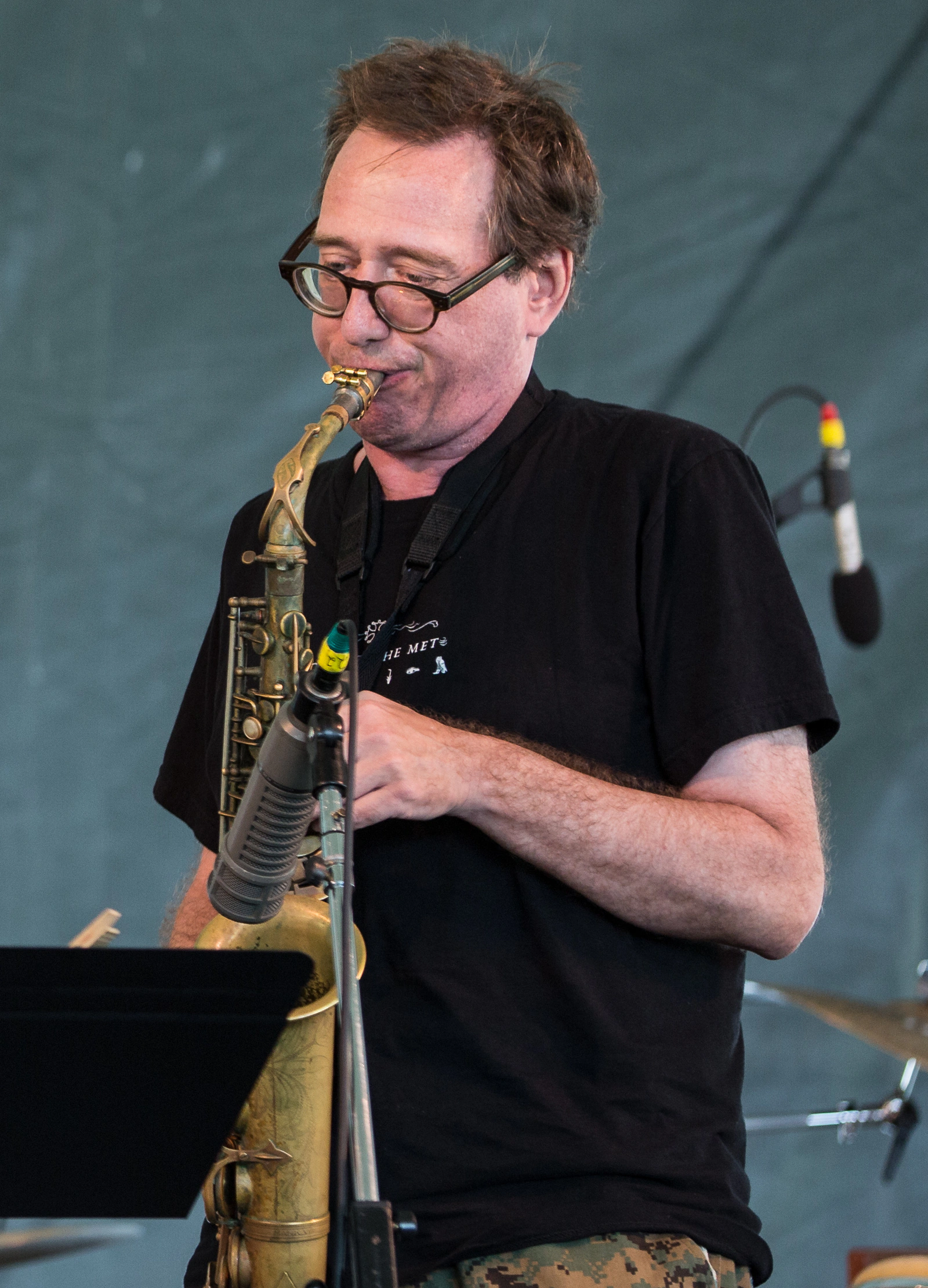
Attr: digboston
| 25 Quotes | |
| Occup. | Composer |
| From | USA |
| Born | September 2, 1953 New York City, New York, USA |
| Age | 72 years |
| Cite | |
Citation Formats
APA Style (7th ed.)
John zorn biography, facts and quotes. (2026, February 11). FixQuotes. https://fixquotes.com/authors/john-zorn/
Chicago Style
"John Zorn biography, facts and quotes." FixQuotes. February 11, 2026. https://fixquotes.com/authors/john-zorn/.
MLA Style (9th ed.)
"John Zorn biography, facts and quotes." FixQuotes, 11 Feb. 2026, https://fixquotes.com/authors/john-zorn/. Accessed 6 Mar. 2026.
Early Life and Background
John Zorn was born on September 2, 1953, in New York City, and grew up in a postwar metropolis where television, street noise, and the afterlife of bebop all competed for the ear. His father worked in the advertising world, his mother was associated with education, and the household absorbed a wide band of mid-century American sound - classical records alongside jazz and popular music - that would later reappear in Zorn's comfort with collage and abrupt stylistic cuts. New York in the 1960s offered two formative lessons: that art could be made anywhere, and that subcultures could become entire worlds.As a teenager he gravitated toward improvisation, graphic scores, and the idea that composition could be a set of rules rather than a finished script. He played several instruments before the alto saxophone became his primary voice, drawn to its physicality and its ability to sound both lyrical and abrasive. Even early on, he treated identity as something to be constructed: the downtown scene he would later help define was not only a musical community but a stance toward institutions, commerce, and the mythology of "proper" careers.
Education and Formative Influences
Zorn studied at Webster College in St. Louis in the early 1970s, where exposure to experimental composition, performance art, and the legacy of John Cage widened his sense of what counted as music; he soon returned to New York and educated himself in public: loft concerts, record stores, and the cross-pollinated circles of improvisers, composers, and noise artists. He absorbed Anthony Braxton's structural thinking, the hardcore economy of punk, film music's instant atmospheres, and the Jewish musical past he would later approach not as nostalgia but as raw material for reinvention.Career, Major Works, and Turning Points
By the late 1970s and 1980s Zorn became a central architect of "downtown" New York through radical game pieces like "Cobra", where cues and hand signals shape volatile group improvisation; he also developed the cut-and-splice intensity of works such as "Naked City" (the band, and the 1990 album), whose hyper-edited genre collisions matched the speed of channel surfing and the violence of modern media. In the 1990s he expanded into long-form composition and producer-curator roles: "Kristallnacht" (1993) confronted Jewish history with stark dramatic force, while "Masada" (from 1993 onward) generated an enormous book of tunes that could be played as standards, vehicles for improvisation, or seeds for recomposition. Founding the Tzadik label in 1995 gave him infrastructure for an ecosystem - releases by his own projects and by hundreds of artists who might otherwise have remained undocumented - and his later decades multiplied ensembles (Electric Masada, The Dreamers, Moonchild, Simulacrum) and commissions, alongside a steady stream of chamber and organ works that insisted he was as much composer as saxophonist.Philosophy, Style, and Themes
Zorn's inner life reads like a tension between obsessive control and a hunger for risk. He is famous for systems that court chaos: game rules, modular forms, and cue-based conduction that keep performers on the edge of decision. The live situation matters because it is where consequence is real, where bodies gamble with failure, and where audience attention becomes part of the piece - “It's a blast to watch. It's a lot more interesting live than it is on record. I mean, it really is a theatrical event. It's a sporting event! Cause you never know what's gonna happen”. That appetite for unpredictability is not mere spectacle; it is a method for escaping habit, for making the present moment audible.At the same time, Zorn is a builder of catalogs, a man who treats composition as both craft and compulsion. He can disappear into precompositional labor - “I'm getting ready to write a piece now, and it's been six months thinking about it, changing the instrumentation, changing the name, doing more reading”. - and he sets self-imposed quotas as a way to outrun comfort - “That was my challenge as a composer. Like with anything, to keep yourself interested in doing what you do, you set yourself challenges. So I said, Okay, I'll try to write a hundred tunes in a year”. Psychologically, the through-line is self-renewal: stylistic plurality as an ethical demand, refusing to let any single success harden into a persona. Themes recur - Jewish identity and rupture, the seductions and terrors of mass culture, ecstatic spirituality, the body under pressure - but they are approached through changing masks: hardcore aggression, cartoon speed, liturgical gravity, or delicate chamber sonorities.
Legacy and Influence
Zorn's enduring influence lies less in a single "sound" than in a model of artistic citizenship: the composer as scene-maker, label-head, collaborator, and archivist of the marginal. He helped legitimize a world where improvisers write, composers improvise, and genre is treated as a toolkit rather than a border. For younger musicians, his example is permission - to be prolific without being careless, to be interdisciplinary without being vague, and to treat community-building as part of the work. In the history of late-20th and early-21st century American music, he stands as a catalytic figure who turned New York's downtown volatility into a durable, globally echoed practice.Our collection contains 25 quotes written by John, under the main topics: Witty One-Liners - Wisdom - Art - Music - Writing.
Other people related to John: Marc Ribot (Musician), Trevor Dunn (Musician), Thurston Moore (Musician), Richard Foreman (Playwright), Fred Frith (Composer), Ikue Mori (Musician), Bill Laswell (Musician), Arto Lindsay (Musician), Eugene Chadbourne (Composer), Derek Bailey (Musician)
Frequently Asked Questions
- What is John Zorn net worth? Not publicly disclosed; online figures are speculative.
- John Zorn art: Avant-garde, genre-blending composer/curator; founder of Tzadik and The Stone.
- John Zorn albums: The Big Gundown, Naked City, Kristallnacht, Masada series (Book of Angels), FilmWorks series, The Dreamers.
- John Zorn band: Notably Naked City, Masada/Electric Masada, Painkiller, and Moonchild.
- John Zorn wife: He keeps his personal life private; no widely confirmed public details about a spouse.
- John Zorn politics: Generally private; known for supporting artistic freedom and organizing benefit/charity events.
- How old is John Zorn? He is 72 years old
Source / external links