
Jonathan Krohn Biography Quotes 7 Report mistakes
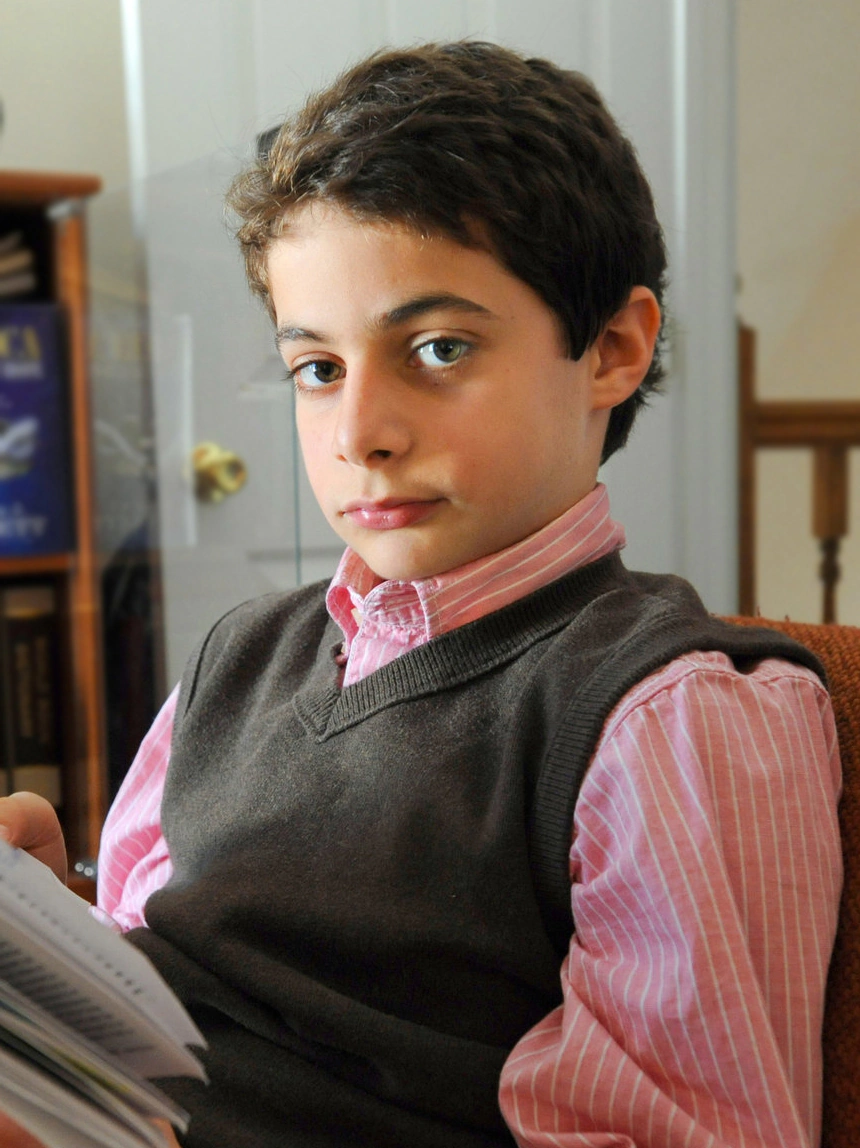
| 7 Quotes | |
| Known as | Jon Krohn |
| Occup. | Author |
| From | USA |
| Born | March 1, 1995 Atlanta, Georgia, USA |
| Age | 30 years |
| Cite | |
Citation Formats
APA Style (7th ed.)
Jonathan krohn biography, facts and quotes. (2026, February 11). FixQuotes. https://fixquotes.com/authors/jonathan-krohn/
Chicago Style
"Jonathan Krohn biography, facts and quotes." FixQuotes. February 11, 2026. https://fixquotes.com/authors/jonathan-krohn/.
MLA Style (9th ed.)
"Jonathan Krohn biography, facts and quotes." FixQuotes, 11 Feb. 2026, https://fixquotes.com/authors/jonathan-krohn/. Accessed 12 Feb. 2026.
Early Life
Jonathan Krohn was born in the mid-1990s in the United States and showed an early fascination with language, public affairs, and the way ideas shape civic life. By his preteen years he had begun following political debates closely, reading speeches, and studying the vocabulary of principle and policy. His family played a central role in encouraging his curiosity, giving him the freedom to read widely and to practice speaking and writing before friendly but candid audiences at home. That support helped him develop confidence and a disciplined routine, even as he remained very young for the seriousness of the conversations he sought to enter.Emergence as a Young Author and Speaker
Still in his early teens, Krohn wrote a short book that attempted to define the core principles of American conservatism as he understood them. The work was notable less for its scholarship than for its conviction that first principles mattered and that policy should be derived from them. Invitations to speak followed, culminating in a brief address at a major national conservative conference in 2009. In a setting typically reserved for seasoned politicians and media personalities, the sight of a 13-year-old articulating a principled framework drew immediate attention. The conference featured marquee figures such as Newt Gingrich and Rush Limbaugh, and sharing the event's stage placed him in the same national conversation, even if only for a few minutes. Video of his remarks circulated widely, transforming him overnight into a symbol of youthful political engagement.National Media Attention
The viral speech prompted a wave of interviews on radio programs and cable news shows, introducing Krohn to a cycle of media production rarely experienced by someone his age. Producers, bookers, and hosts eager for a compelling segment made room for him, while older activists praised his composure and clarity. He spoke about principles, avoided insider gossip, and treated politics as a philosophical exercise, which set him apart in a media environment often driven by tactics and personalities. This sudden visibility also brought criticism and skepticism from commentators who questioned whether any teenager could or should be converted into a mascot for a movement. Navigating compliments and condescension at once, he leaned on his parents and a small circle of advisors who urged him to keep reading and to take time for school and ordinary life.Reassessment and Intellectual Growth
As he moved through high school, the premise of his early book became a starting point rather than a conclusion. He read broadly across traditions, examining arguments about law, rights, religion, culture, and the obligations citizens owe one another. By his late teens he publicly rethought the labels that had made him famous and wrote essays explaining why he no longer identified with the conservative movement as a whole. The pivot drew intense scrutiny: some early admirers felt betrayed, while many journalists and editors encouraged his willingness to revise views in light of new reading and experience. He published reflective pieces in mainstream outlets, describing the distance between partisan identity and the slower, more personal work of philosophy. The episode highlighted how youthful certainty can evolve into a more provisional, inquiry-driven approach.Writing, Reporting, and Photography
Krohn shifted from being a subject of stories to producing his own. He pursued journalism and photography, sometimes covering political events and sometimes stepping away from the campaign trail to focus on culture and everyday life. Editors who had first known him as a curiosity now engaged him as a contributor who could explain how media frames the young, and how public identity can outpace private development. Photographers and reporters he met on assignments became a new circle of colleagues, offering craft advice that complemented the rhetorical training of his earlier years. This move behind the camera and into the byline gave him a measure of control over narrative and tempo that the pundit circuit rarely affords.Education and Craft
Rather than treating politics as a destination, Krohn treated it as a lens for understanding the world, and he invested in the skills required to observe carefully and write clearly. He studied history, criticism, and the mechanics of storytelling, learning to match tone with audience and to distinguish reporting from commentary. Mentors in newsrooms and studios helped him translate curiosity into disciplined work, reinforcing habits such as deep sourcing, close reading, and patient revision. The craft emphasis tempered the impulse to categorize ideas too quickly, and it broadened his interests beyond partisan frames.Public Image and Personal Boundaries
The early notoriety made privacy both valuable and fragile. Krohn learned to set boundaries about what parts of his adolescence were not fodder for public debate. Family remained a steady presence, offering a check on the incentives of attention. Friends and collaborators, many older and more experienced, modeled longer careers in writing and visual work that were less dependent on the adrenaline of daily controversy. Over time he cultivated a profile defined more by the quality of projects and less by the spectacles of youth politics.Continuing Engagement
Even as his positions shifted, Krohn maintained an interest in the ethics of public speech: what it means to argue in good faith, how to acknowledge error, and how to let new evidence revise conclusions. He has described political identity not as a fixed point but as a record of conversations, readings, and encounters. The people around him changed accordingly: from conference organizers and talk-radio hosts to editors, photographers, and fellow writers who valued process over performance. That evolution did not erase his early years; it contextualized them.Legacy and Significance
Jonathan Krohn's path illustrates how an early public role can catalyze lifelong questions rather than foreclose them. His teen speech and book made him a symbol of principle-driven conservatism; his later essays and creative work reflected a commitment to testing those principles against lived experience. The most important figures in his story include his parents, who offered support and perspective; the media hosts and activists who propelled him onto a national stage; and the editors, reporters, and artists who helped him build durable skills. Taken together, those relationships trace a life that moved from certainty to inquiry, from performance to craft, and from being defined by a movement to defining his own work.Our collection contains 7 quotes written by Jonathan, under the main topics: Witty One-Liners - Ethics & Morality - Truth - Freedom - Deep.
Source / external links