
Joseph Pulitzer Biography Quotes 9 Report mistakes
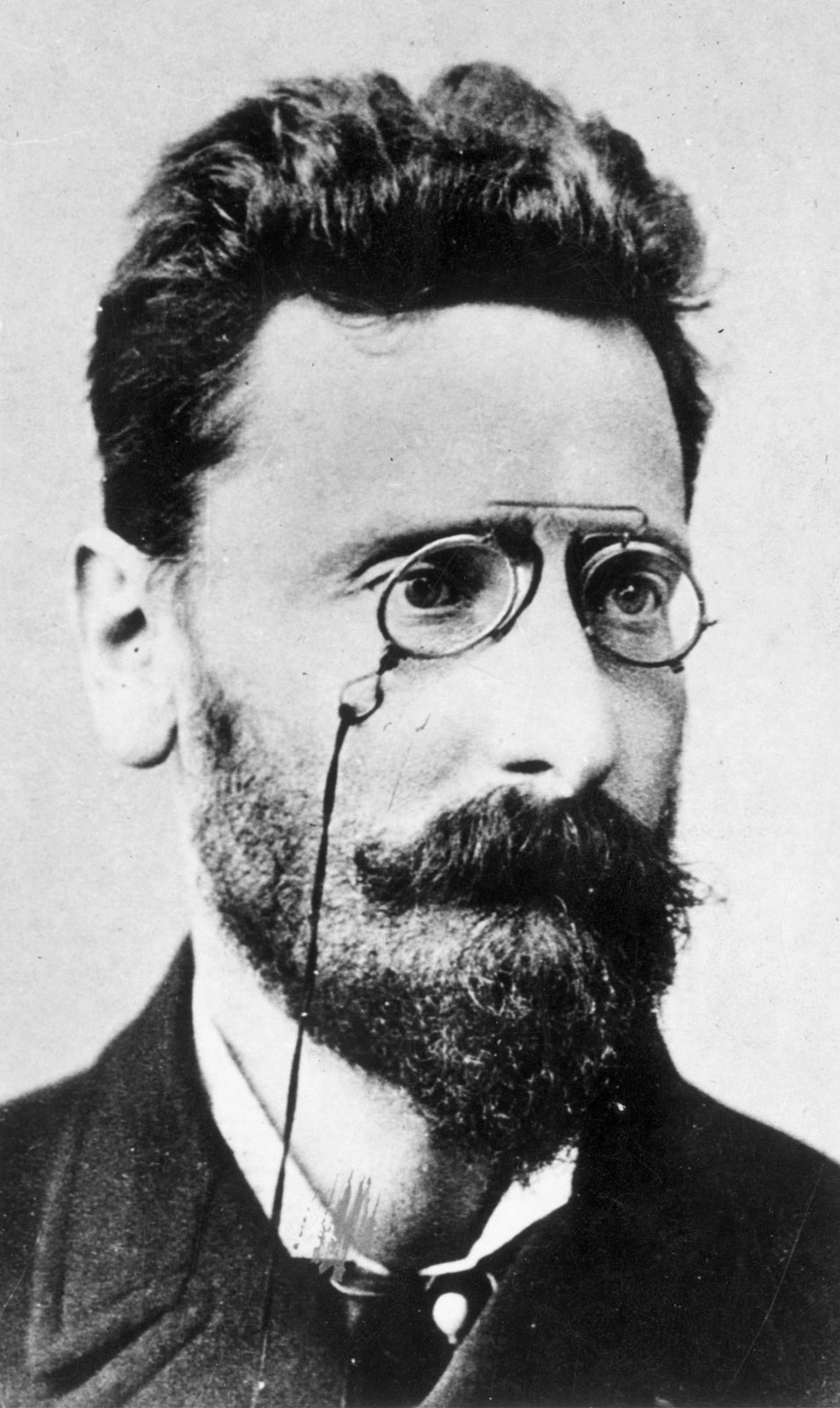
| 9 Quotes | |
| Born as | József Pulitzer |
| Occup. | Publisher |
| From | USA |
| Born | April 10, 1847 |
| Died | October 29, 1911 |
| Aged | 64 years |
| Cite | |
Citation Formats
APA Style (7th ed.)
Joseph pulitzer biography, facts and quotes. (2026, February 11). FixQuotes. https://fixquotes.com/authors/joseph-pulitzer/
Chicago Style
"Joseph Pulitzer biography, facts and quotes." FixQuotes. February 11, 2026. https://fixquotes.com/authors/joseph-pulitzer/.
MLA Style (9th ed.)
"Joseph Pulitzer biography, facts and quotes." FixQuotes, 11 Feb. 2026, https://fixquotes.com/authors/joseph-pulitzer/. Accessed 2 Apr. 2026.
Early Life and Background
Joseph Pulitzer was born Jozsef Pulitzer on April 10, 1847, in Mako, in the Kingdom of Hungary (then within the Habsburg Empire), into a Jewish family negotiating the contradictions of mid-19th-century Central Europe: modernizing commerce alongside entrenched ethnic and religious boundaries. His father, Fulop Pulitzer, prospered as a grain merchant, and the household tasted the precarious social mobility of the era - enough means to imagine a future beyond provincial limits, not enough insulation from political uncertainty and the sudden reversals of business.After his father died, the family fortunes tightened and the young Pulitzer, restless, bookish, and physically frail, looked outward. The revolutionary aftershocks of 1848 still shaped the region's atmosphere: nationalism, censorship, and the lure of emigration. Rejected by several European armies, he ultimately found a passage to the United States in 1864, arriving amid the final year of the Civil War. The immigrant's bargain - reinvention through risk - would become the emotional engine of his life: ambition sharpened by insecurity, and a hunger to matter in a country that rewarded audacity.
Education and Formative Influences
Pulitzer had no long formal schooling; his education was assembled from voracious reading, political argument, and the street-level apprenticeship of an outsider learning American power. He learned English rapidly, absorbed the rhetoric of republican government, and studied newspapers as instruments of status and leverage. Military service in the Union Army's Lincoln Cavalry briefly gave him a stake in the nation; afterward he drifted to St. Louis, where German-language culture, party politics, and the rough commerce of postwar journalism taught him how ideas turned into votes, and how print could turn into authority.Career, Major Works, and Turning Points
Pulitzer entered newspapers through the German press in St. Louis, then rose by combining investigative zeal with a keen sense of mass readership. He acquired and reshaped the St. Louis Post-Dispatch in 1878, branding it with crusades against corruption and with energetic, accessible writing. In 1883 he bought the New York World, transforming it into the era's most influential mass-circulation paper through bold headlines, illustrations, human-interest reporting, and aggressive campaigns against municipal graft. The World helped define the competitive, high-volume metropolitan press of the Gilded Age, sometimes slipping into sensationalism as it fought rivals like William Randolph Hearst, yet also pioneering reporting resources and watchdog tactics that pressured political machines and exposed abuses. By the 1890s and 1900s, as illness and near-blindness pushed him into seclusion, he managed by memorandum and proxy, increasingly obsessed with standards, legacy, and the institutional future of journalism.Philosophy, Style, and Themes
Pulitzer's inner life was a contest between moral mission and market necessity. He understood that a newspaper lived or died on attention, yet he refused to accept attention as an end in itself. At his most idealistic he framed the press as a civic organ: “Our Republic and its press will rise or fall together”. The sentence reads like credo and warning, revealing a man who experienced politics not as abstract philosophy but as a fragile mechanism vulnerable to manipulation - and who wanted his papers to be both catalyst and safeguard.He also believed in the cleansing force of exposure: “Publicity, publicity, publicity is the greatest moral factor and force in our public life”. That insistence helps explain his appetite for campaigns, stunts, and relentless repetition - tools to force hidden dealings into daylight. Yet he paired this with a darker diagnosis of media psychology, acknowledging the feedback loop between publishers and the public: “A cynical, mercenary, demagogic press will in time produce a people as base as itself”. His style doctrine followed from these tensions: write vividly enough to be read by millions, but accurately enough to deserve their trust; mobilize feeling, but aim it at reform rather than mere spectacle. The result was a journalism of pressure - compressed prose, dramatic framing, and moral urgency - that could elevate civic standards or, if unmoored, degrade them.
Legacy and Influence
Pulitzer died on October 29, 1911, aboard his yacht, having become a symbol of American self-invention and of the modern publisher's power to define public reality. His most enduring institutional act was philanthropic: his bequest helped found Columbia University's Graduate School of Journalism (opened 1912) and established the Pulitzer Prizes (first awarded 1917), anchoring his late-life turn toward professionalization and ethical aspiration. The paradox of his influence endures: he accelerated the commercial, attention-driven newspaper, yet also articulated one of the strongest moral arguments for a public-spirited press. In an era still wrestling with sensationalism, propaganda, and the economics of news, his life remains a case study in how ambition, reform, and spectacle can coexist inside a single formidable mind.Our collection contains 9 quotes written by Joseph, under the main topics: Ethics & Morality - Writing - Freedom - Career.
Other people related to Joseph: Nellie Bly (Journalist), Herbert Bayard Swope (Editor), Nicholson Baker (Novelist)
Source / external links