
Juan Ramon Jimenez Biography Quotes 3 Report mistakes
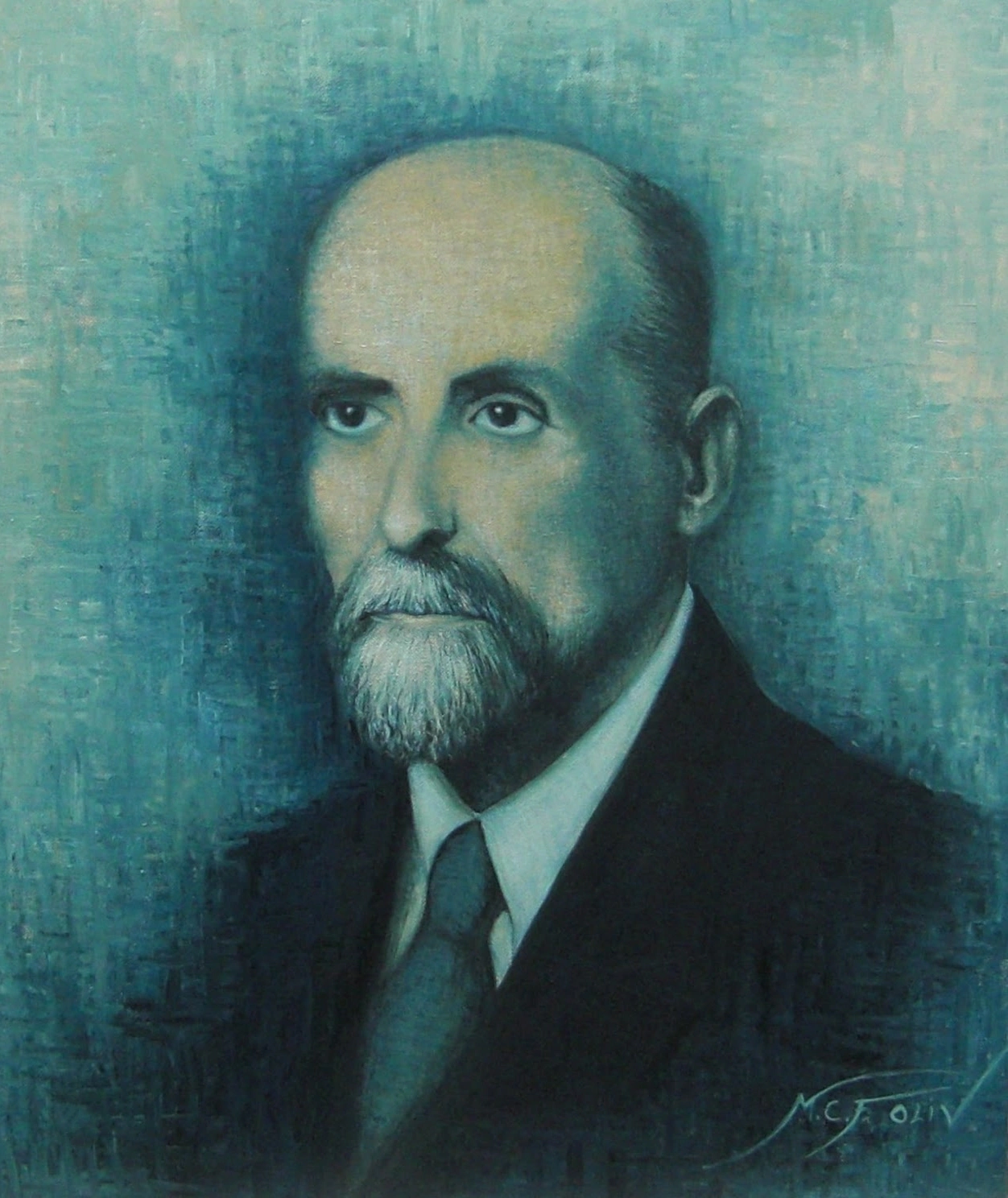
| 3 Quotes | |
| Born as | Juan Ramón Jiménez Mantecón |
| Occup. | Poet |
| From | Spain |
| Born | December 24, 1881 Moguer, Spain |
| Died | May 29, 1958 Santurce, Puerto Rico |
| Aged | 76 years |
| Cite | |
Citation Formats
APA Style (7th ed.)
Juan ramon jimenez biography, facts and quotes. (2026, February 11). FixQuotes. https://fixquotes.com/authors/juan-ramon-jimenez/
Chicago Style
"Juan Ramon Jimenez biography, facts and quotes." FixQuotes. February 11, 2026. https://fixquotes.com/authors/juan-ramon-jimenez/.
MLA Style (9th ed.)
"Juan Ramon Jimenez biography, facts and quotes." FixQuotes, 11 Feb. 2026, https://fixquotes.com/authors/juan-ramon-jimenez/. Accessed 6 Mar. 2026.
Early Life and Background
Juan Ramon Jimenez Mantecon was born on 24 December 1881 in Moguer, a small town in Huelva, Andalusia, into a comfortable bourgeois household tied to commerce and the rhythms of a provincial port economy. The landscape of sand, pines, and whitewashed courtyards - and the intense Andalusian light - became not mere scenery but an inward reservoir he would revisit for decades, turning local sensation into a lifelong pursuit of purity in language. From the beginning he carried an unusually acute sensitivity to beauty and loss, a temperament that could brighten into ecstatic attention and then collapse into despondency.That volatility sharpened at the fin de siglo moment, when Spain was absorbing the shock of imperial decline after 1898 and modernismo was transforming Spanish letters. Jimenez grew up with both the security of home and the first intimations that inner life could be more real than external achievement. Even before national events pressed on him directly, his private battles with depression and anxiety formed an early throughline: the conviction that the self is both instrument and obstacle, and that art must discipline emotion without extinguishing it.
Education and Formative Influences
He was sent to Seville and later to study law in the university setting, but his vocation pulled him toward poetry and the artistic circles of the capital. In Madrid around 1900 he encountered the literary ferment of modernismo and the afterglow of the Generation of 1898, absorbing the musicality of Ruben Dario and the introspective rigor of Spanish tradition. A decisive formative experience came with periods of psychological crisis and treatment, which did not silence him so much as push his writing toward greater exactness, as if the only defense against inner disorder was a line purified of excess.Career, Major Works, and Turning Points
Jimenez published early books such as "Ninfeas" and "Almas de violeta" (1900), then moved through a long arc from ornamented modernista lyric toward what he called "poesia pura" - poetry stripped to essential perception. His fame broadened with "Platero y yo" (1914), the lyrical prose portrait of a donkey and a town that reads as a memoir of sensibility, and with "Diario de un poeta recien casado" (1916), written around his Atlantic crossing and marriage to Zenobia Camprubi, a partnership that became both emotional anchor and literary collaboration. The Spanish Civil War forced exile in 1936; he and Zenobia lived in the United States and later Puerto Rico, where illness and displacement deepened his sense of spiritual homelessness. In 1956 he received the Nobel Prize in Literature, an honor shadowed by Zenobia's death soon after; he died in San Juan on 29 May 1958, his last years marked by grief, frailty, and a still-burning demand for artistic integrity.Philosophy, Style, and Themes
Jimenez built a personal ethic around refusal - refusal of cliché, of received forms, of the easy consolations of literary fashion. The famous defiance, “If they give you ruled paper, write the other way”. , expresses not a casual bohemian pose but a psychological necessity: he needed autonomy the way others need belonging, and he treated language as a space where freedom had to be continually re-won. That insistence could harden into severity, even isolation, yet it also made him one of the great renovators of Spanish lyric, teaching readers to hear silence, pause, and precision as emotional forces.His mature work aims at a kind of luminous exactness - the poem as a distilled act of consciousness - and he spoke of poetry in almost sacramental terms: “Literature is a state of culture, poetry is a state of grace, before and after culture”. The line reveals an inner hierarchy: culture is learned, but grace is visited, and the poet must be worthy of visitation through discipline. At the same time, his mysticism is restless rather than settled; longing and possession coexist in painful simultaneity, as in “Sharp nostalgia, infinite and terrible, for what I already possess”. That paradox describes his recurring emotional weather - the fear that what he loves is always vanishing even while it is present - and it explains the recurring motifs of light, gardens, sea crossings, and the ideal beloved: each image is an attempt to hold the fleeting without lying about its flight.
Legacy and Influence
Jimenez stands as a bridge between Spanish modernismo and later modern lyric, a craftsman whose pursuit of purity helped prepare the ground for poets across Spain and Latin America while resisting easy categorization as either symbolist or realist. His exile turned him into a figure of cultural conscience for many Spanish Republicans abroad, and his notebooks, revisions, and self-critical poetics modeled a life in which art was not a product but a continual moral practice. Read now, he endures not only through "Platero y yo" as a classic of Spanish prose but through the example of a writer who made inner truth - disciplined, radiant, and often wounded - the measure of everything he dared to publish.Our collection contains 3 quotes written by Juan, under the main topics: Motivational - Poetry - Nostalgia.
Other people related to Juan: Antonio Machado (Poet)
Juan Ramon Jimenez Famous Works
- 1957 The Selected Writings of Juan Ramon Jimenez (Poetry Collection)
- 1918 Eternities (Poetry Collection)
- 1916 Diario de un Poeta Recien Casado (Poetry Collection)
- 1914 Platero and I (Novel)
Source / external links