
Judith Rossner Biography Quotes 11 Report mistakes
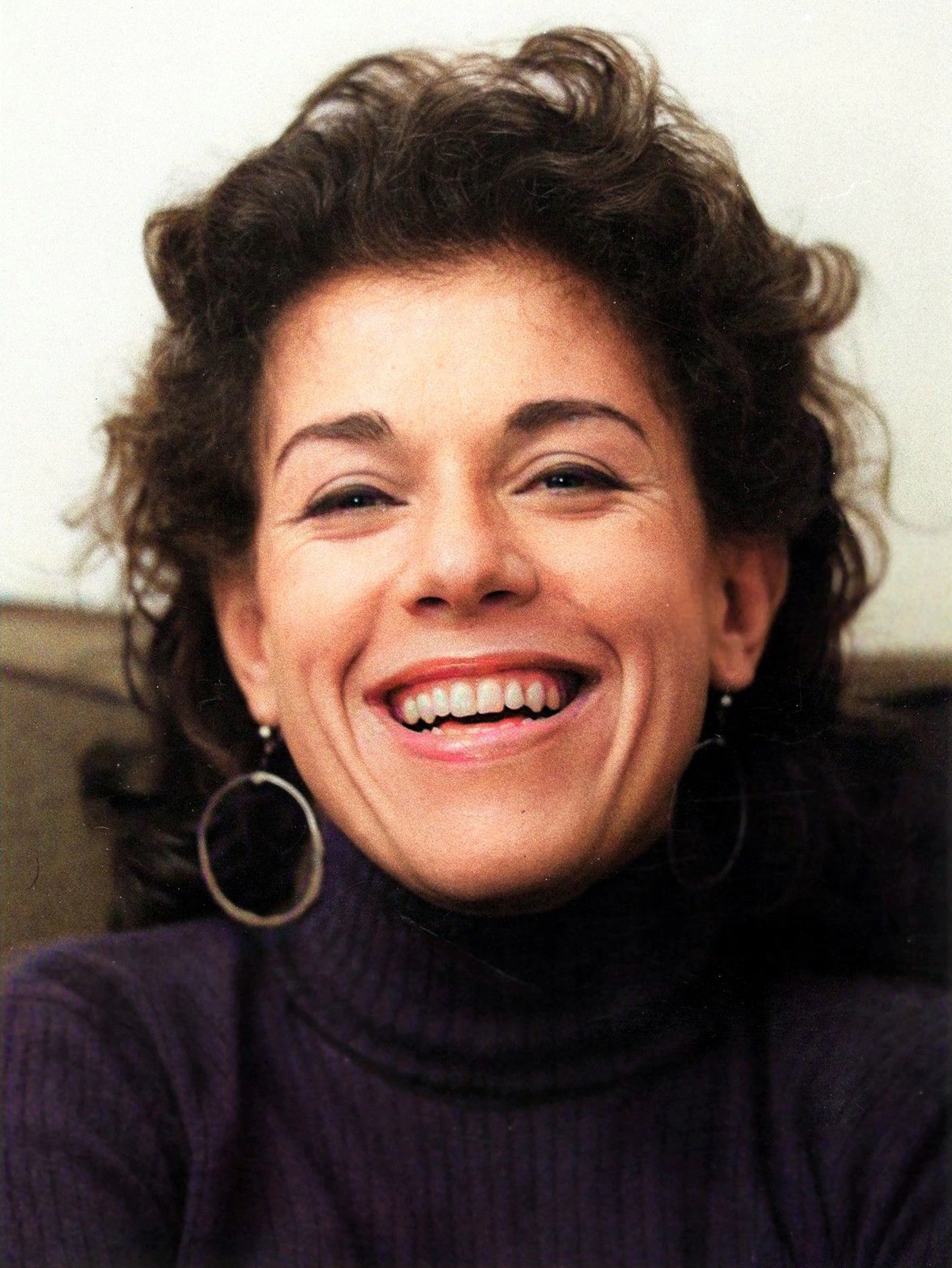
| 11 Quotes | |
| Occup. | Novelist |
| From | USA |
| Born | March 31, 1935 New York City, New York, USA |
| Died | August 9, 2005 New York City, New York, USA |
| Cause | Cancer |
| Aged | 70 years |
| Cite | |
Citation Formats
APA Style (7th ed.)
Judith rossner biography, facts and quotes. (2026, February 11). FixQuotes. https://fixquotes.com/authors/judith-rossner/
Chicago Style
"Judith Rossner biography, facts and quotes." FixQuotes. February 11, 2026. https://fixquotes.com/authors/judith-rossner/.
MLA Style (9th ed.)
"Judith Rossner biography, facts and quotes." FixQuotes, 11 Feb. 2026, https://fixquotes.com/authors/judith-rossner/. Accessed 5 Mar. 2026.
Early Life and Background
Judith Rossner was born on March 31, 1935, in New York City, a Depression-era child who came of age alongside the postwar remaking of American domestic life. She grew up in a Jewish family in the city and then its orbit, absorbing the everyday theater of apartment buildings, marriages, and female friendships - the intimate spaces that would later become her most exacting subject matter. Long before she had a public name, she was a private observer of how people bargain for love, status, and survival.Rossner entered adulthood in an America that promised women security through marriage while quietly rationing their ambition. Those contradictions, lived rather than merely argued, gave her fiction its emotional pressure: a close, unsentimental look at the costs of dependency and the loneliness that can exist inside ordinary arrangements. By the time she began publishing seriously, she was writing not from the margins of experience but from within the social scripts she would anatomize.
Education and Formative Influences
She studied at Wellesley College, graduating in 1955, and later earned an MA at Columbia University. Wellesley sharpened her eye for the politics of female intelligence and competition; Columbia placed her in the literary gravity of New York, where ambition, neurosis, and style were part of the air. Those years helped form her signature approach: psychological realism disciplined by wit, with the city as both stage and pressure cooker.Career, Major Works, and Turning Points
Rossner worked in publishing and journalism before turning fully to fiction, moving through the midcentury world of editorial offices and freelance assignments that trained her ear for voice while leaving her hungry for the deeper freedoms of the novel. Her early books built toward her cultural breakthrough: Looking for Mr. Goodbar (1975), inspired in part by the 1973 murder of Roseann Quinn and adapted into the 1977 film starring Diane Keaton. The novel made Rossner both famous and contested - praised for its candor about female sexuality and urban danger, criticized by some for its bleakness and by others for perceived exploitation. She continued publishing widely read, often unsettling novels and stories, including Attachments (1977), which dramatized the gravitational pull of romance and self-deception, and she remained a chronicler of late-20th-century American intimacy until her death on August 9, 2005, in New York.Philosophy, Style, and Themes
Rossner wrote from an early, almost compulsive sense of vocation: “I was dictating to my mother when I was 5”. That origin story is more than charm - it suggests a child who learned to convert feeling into narrative before she had the adult language for desire, fear, or shame. Her prose stays close to that impulse: direct, observant, impatient with euphemism. She favored tight social frames - dates, apartments, offices, dinner tables - where a character can be exposed by what she tolerates, what she lies about, and what she thinks she is owed.Her central subject was not sex so much as need: the ways people accept bad bargains to avoid emptiness. She could be mordantly clinical about the romantic marketplace, especially for women trained to treat a relationship as proof of worth: “It's astonishing what some women will put up with just to have a warm body. Some of the brightest women I know are just obsessed with that search. It's very sad”. Yet she was equally severe about the conditions of authorship and the thin line between determination and desperation. “Writers are the lunatic fringe of publishing”. , she said, registering her own awareness that to persist at the desk is to choose uncertainty and to risk being misunderstood - by editors, by readers, and by the culture that wants women writers to be either confessional saints or cautionary tales.
Legacy and Influence
Rossner endures as a major American realist of the postwar-to-1970s turn, a novelist who put the private negotiations of women at the center of literary seriousness without prettifying them. Looking for Mr. Goodbar remains a touchstone in conversations about sexual freedom, violence, and the ways mass culture interprets female risk; her broader body of work continues to reward readers seeking unsparing psychological portraits of marriage, longing, and self-invention. If her era often offered women either domestic silence or public spectacle, Rossner made a third space - the lucid sentence that refuses to look away.Our collection contains 11 quotes written by Judith, under the main topics: Love - Writing - Mental Health - Anxiety - Work.
Judith Rossner Famous Works
- 1994 Olivia (Novel)
- 1990 His Little Women (Novel)
- 1983 August (Novel)
- 1980 Emmeline (Novel)
- 1975 Looking for Mr. Goodbar (Novel)
Source / external links