
Jules Renard Biography Quotes 33 Report mistakes
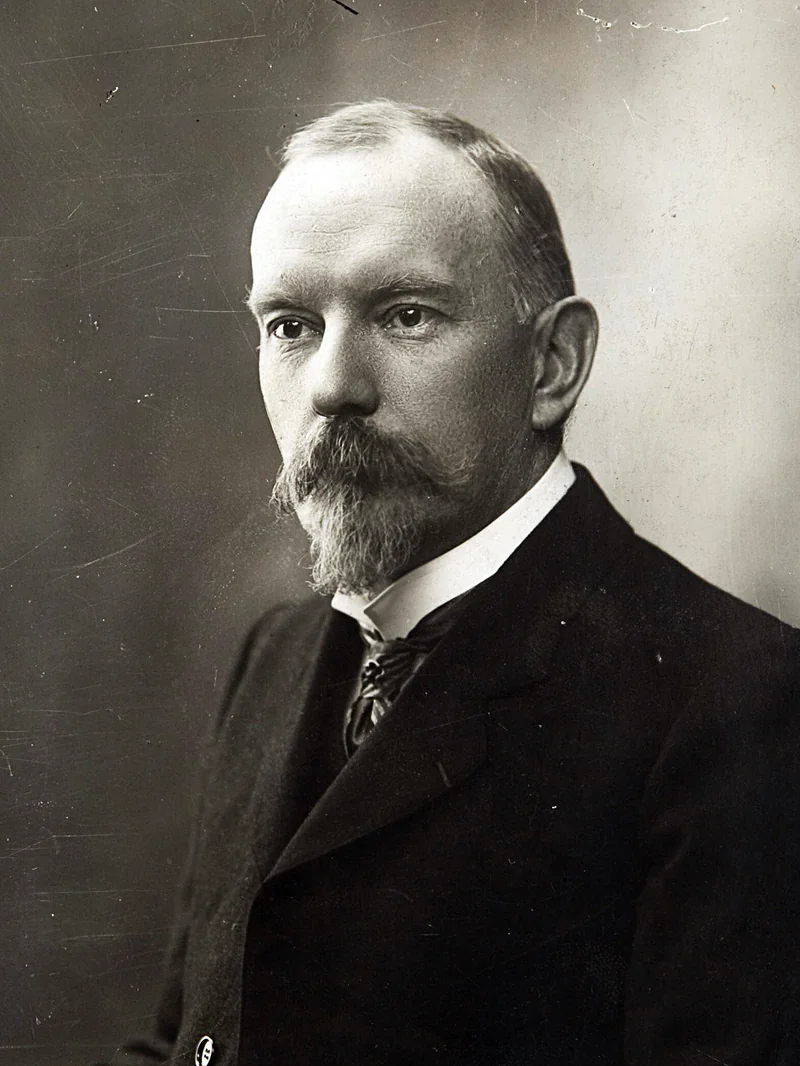
| 33 Quotes | |
| Born as | Pierre-Jules Renard |
| Occup. | Dramatist |
| From | France |
| Born | February 22, 1864 Chalons-du-Maine, France |
| Died | May 22, 1910 Paris, France |
| Aged | 46 years |
| Cite | |
Citation Formats
APA Style (7th ed.)
Jules renard biography, facts and quotes. (2026, February 11). FixQuotes. https://fixquotes.com/authors/jules-renard/
Chicago Style
"Jules Renard biography, facts and quotes." FixQuotes. February 11, 2026. https://fixquotes.com/authors/jules-renard/.
MLA Style (9th ed.)
"Jules Renard biography, facts and quotes." FixQuotes, 11 Feb. 2026, https://fixquotes.com/authors/jules-renard/. Accessed 12 Feb. 2026.
Early Life and Background
Pierre-Jules Renard was born on 22 February 1864 in Chalon-du-Maine, Mayenne, and grew up largely in the small town of Chitry-les-Mines in the Nievre, a province of hedgerows, schoolrooms, and hard seasons that never left his imagination. The son of a contractor, he absorbed rural speech, animal life, and the quiet humiliations of village hierarchies with a precocious exactness. Those early landscapes later became less a setting than a moral weather system: tenderness and cruelty, comedy and meanness, observed at close range.His inner life was sharpened by family tension and a deep ambivalence toward domestic authority, most painfully crystallized by his mother's death (by suicide) while he was still young - an event he transmuted into literature rather than confession. Renard learned early that affection could be conditional, that silence could be weaponized, and that a child could be both witness and accomplice to adult unhappiness. The result was not melodrama but a lifelong discipline of looking: the habit of turning pain into sentence-length clarity.
Education and Formative Influences
Renard studied in Nevers and later in Paris, passing through the channels that produced the Third Republic's literate civil servants and journalists, but he resisted becoming one of them. In the capital he entered the ferment of fin-de-siecle letters, shaped by naturalism after Zola, the precision of the Goncourts, and the newer, terser ironies emerging in the small reviews. He began writing for the press and cultivated friendships in literary circles, learning how Paris could elevate talent while also demanding poses he instinctively distrusted.Career, Major Works, and Turning Points
Renard made his name as a prose stylist and dramatist whose comedy was built from understatement and exact observation. His masterpiece, "Poil de Carotte" (1894), a short novel drawn from childhood experience, anatomized family cruelty with such calmness that it felt scandalous; he later adapted it for the stage, where its clipped dialogue and moral discomfort landed with particular force. He also published the aphoristic "Histoires naturelles" (1896), transforming animals and country life into miniature studies of character, and kept the "Journal" (posthumously famous) in which he dissected writing, vanity, friendship, and despair with surgical candor. A significant turning point came with his increasing public role - including his involvement in the literary establishment (he eventually entered the Academie Goncourt) and municipal life in the Nievre - which tested his suspicion of institutions against his desire for influence and steadier footing.Philosophy, Style, and Themes
Renard's worldview was neither pious nor purely cynical; it was a secular ethics of attention, wary of grand systems and allergic to rhetorical inflation. His famous suspicion of consolation surfaces in the dry joke, "There are moments when everything goes well, but don't be frightened". That line captures his psychological baseline: happiness exists, but it is provisional, and the wise person does not build metaphysics from a good afternoon. Yet his skepticism was not sterile. He could grant fleeting joy without promising permanence: "On earth there is no heaven, but there are pieces of it". In his work, those pieces are tactile - a child's sudden freedom, a clear sentence, a field edge at dusk - and they arrive precisely because he refuses to sentimentalize them.Stylistically, Renard wrote like a man policing himself. His sentences aim to remove excess emotion the way a gardener prunes to expose structure, and his humor is often a defensive clarity that prevents pain from becoming spectacle. His aphorisms about language reveal an artisan's impatience with verbal padding: "Words are the coins making up the currency of sentences, and there are always too many small coins". The same economy drives his drama, where what is unsaid carries the weight of family politics and social shame. Across genres, his themes return to childhood as a battleground, love as a power struggle disguised as warmth, and the moral comedy of everyday life - all rendered with a coolness that is, paradoxically, a form of mercy.
Legacy and Influence
Renard died in Paris on 22 May 1910, but his afterlife has been unusually strong: "Poil de Carotte" remains a touchstone for unsentimental writing about childhood, and the "Journal" has become a manual of modern literary self-scrutiny, admired for its refusal to mythologize the writer's ego. As a dramatist, he helped clear space for a theater of conversational realism and moral discomfort, anticipating later French dialogue-driven stages. More broadly, his compression and exactitude - the sense that a sentence must earn its right to exist - made him a patron saint of the aphoristic, the diarist, and the prose minimalist, and his provincial France endures not as nostalgia but as evidence: the small world, watched honestly, contains the whole.Our collection contains 33 quotes written by Jules, under the main topics: Witty One-Liners - Motivational - Wisdom - Truth - Love.
Other people related to Jules: Tristan Bernard (Playwright), Alphonse Allais (Writer)