
Julie Sweet Biography Quotes 8 Report mistakes
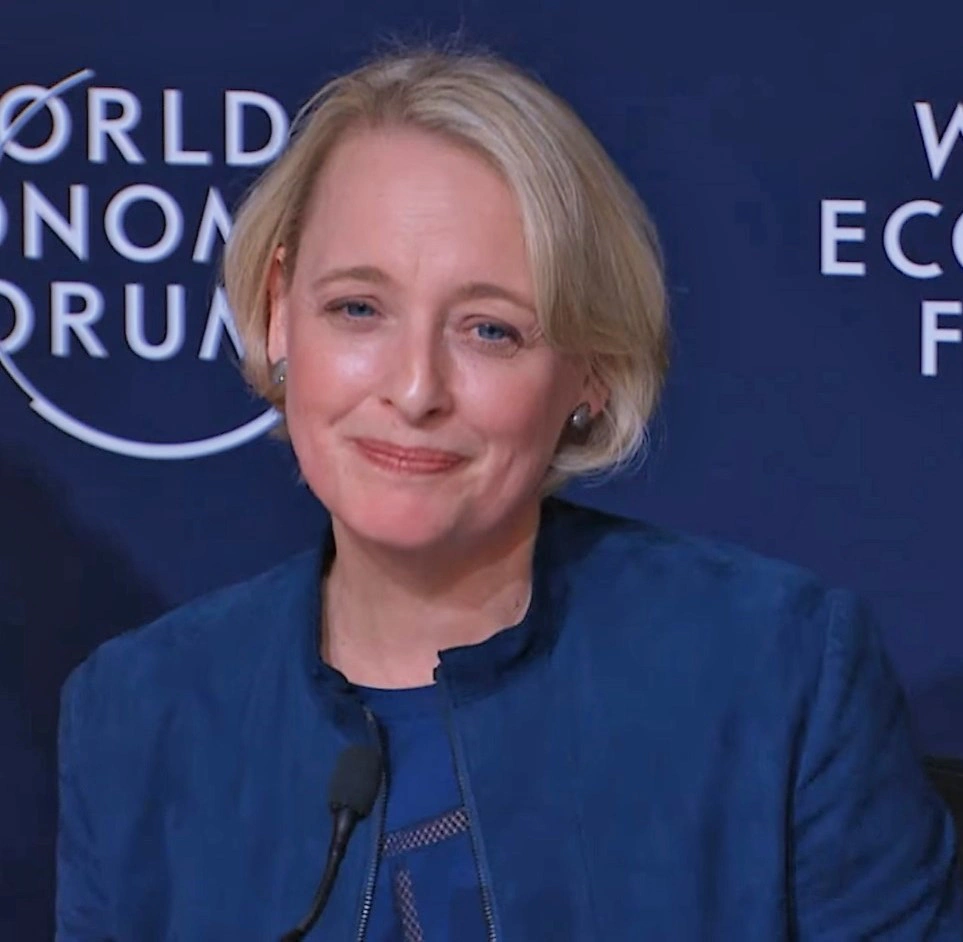
| 8 Quotes | |
| Born as | Julie Terese Sweet |
| Occup. | Businesswoman |
| From | USA |
| Born | January 1, 1967 Tustin, California, USA |
| Age | 59 years |
| Cite | |
Citation Formats
APA Style (7th ed.)
Julie sweet biography, facts and quotes. (2026, February 11). FixQuotes. https://fixquotes.com/authors/julie-sweet/
Chicago Style
"Julie Sweet biography, facts and quotes." FixQuotes. February 11, 2026. https://fixquotes.com/authors/julie-sweet/.
MLA Style (9th ed.)
"Julie Sweet biography, facts and quotes." FixQuotes, 11 Feb. 2026, https://fixquotes.com/authors/julie-sweet/. Accessed 24 Mar. 2026.
Early Life and Background
Julie Terese Sweet was born on January 1, 1967, in the United States, coming of age as American business culture was being remade by globalization, deregulation, and the early rise of information technology. Her formative years unfolded against an increasingly competitive professional landscape that rewarded analytical skill, resilience, and the ability to navigate institutions that were still adjusting to greater expectations for gender equity in leadership.That mix of opportunity and friction helped shape a temperament associated with her later public persona - pragmatic, system-minded, and attuned to the human consequences of corporate decisions. The decades that framed her youth also made visible a new kind of power in the economy: not only what companies built, but how they governed themselves, treated people, and earned legitimacy. That sensibility would become central to Sweet's later career, where operational performance and culture were treated as inseparable.
Education and Formative Influences
Sweet pursued higher education and legal training, preparing for a career that would combine rigorous reasoning with a feel for institutions and incentives. The law offered her an immersion in negotiation, risk, and accountability - disciplines that later translated into executive decision-making. Equally influential was the broader late-20th-century shift toward complex, rules-driven global commerce, which elevated lawyers and advisers into strategic positions and taught future leaders how to build trust across stakeholders.Career, Major Works, and Turning Points
Sweet rose through leadership roles that bridged law, strategy, and corporate management, eventually becoming chief executive officer of Accenture, a global professional services company. Her ascent coincided with a period when consultancies and technology-adjacent firms became central actors in digital transformation, cloud adoption, cybersecurity, and enterprise modernization. As CEO, she navigated the demands of scale, talent, and reputation in a fast-cycling market where clients expected both technical execution and principled governance. Under her stewardship, Accenture emphasized large-scale change programs, workforce development, and an outward-facing stance on responsible business, positioning the firm as a key intermediary between legacy enterprises and the emerging digital economy.Philosophy, Style, and Themes
Sweet's leadership philosophy rejects the myth of immaculate control in favor of disciplined self-awareness and learning. “There is no such thing as a perfect leader”. Read psychologically, this is less humility-as-brand than a refusal of the brittle ego that collapses under scrutiny - a mindset well suited to advisory work, where credibility depends on admitting uncertainty while still providing direction. Her style is often described as clear-eyed and direct, but it is paired with an insistence that modern authority must be credible, not merely positional, especially in knowledge-work organizations where talent can disengage quietly long before it quits.A second throughline is her focus on culture as a strategic engine rather than a soft afterthought. “Inclusion and diversity are fundamental to innovation”. For Sweet, diversity is not a moral accessory tacked onto growth - it is a practical method for widening problem-solving bandwidth, reducing blind spots, and adapting faster than competitors. That belief is reinforced by a view of trust as an operational asset in a surveillance-capable, misinformation-prone era: “Trust is the new currency in business”. The psychological subtext is that performance without legitimacy is unstable; reputational capital, employee belief, and client confidence are all forms of liquidity that determine how far a firm can move when conditions turn.
Legacy and Influence
Sweet's influence sits at the intersection of executive leadership and the modern professional-services model: she helped define what it means for a global advisory-and-technology firm to compete on talent, values, and execution simultaneously. Her tenure reflects a broader historical transition in which CEOs are judged not only by earnings and growth, but by how they govern culture, manage social risk, and sustain trust across employees, clients, regulators, and the public. For aspiring leaders, her story offers a template for power that is procedural as well as personal - grounded in systems, accountability, and a belief that long-term advantage comes from combining decisive action with institutional credibility.Our collection contains 8 quotes written by Julie, under the main topics: Leadership - Learning - Equality - Business - Decision-Making.
Source / external links
- TIME: Interview with Julie Sweet (Accenture CEO)
- Forbes: Julie Sweet profile
- Center for Strategic & International Studies (CSIS): Julie Sweet (Trustee profile)
- World Economic Forum (author/profile page): Julie Sweet
- Britannica Money: Julie Sweet
- X (Twitter): @julie_sweet
- LinkedIn: Julie Sweet
- Wikipedia: Julie Sweet