
June Jordan Biography Quotes 22 Report mistakes
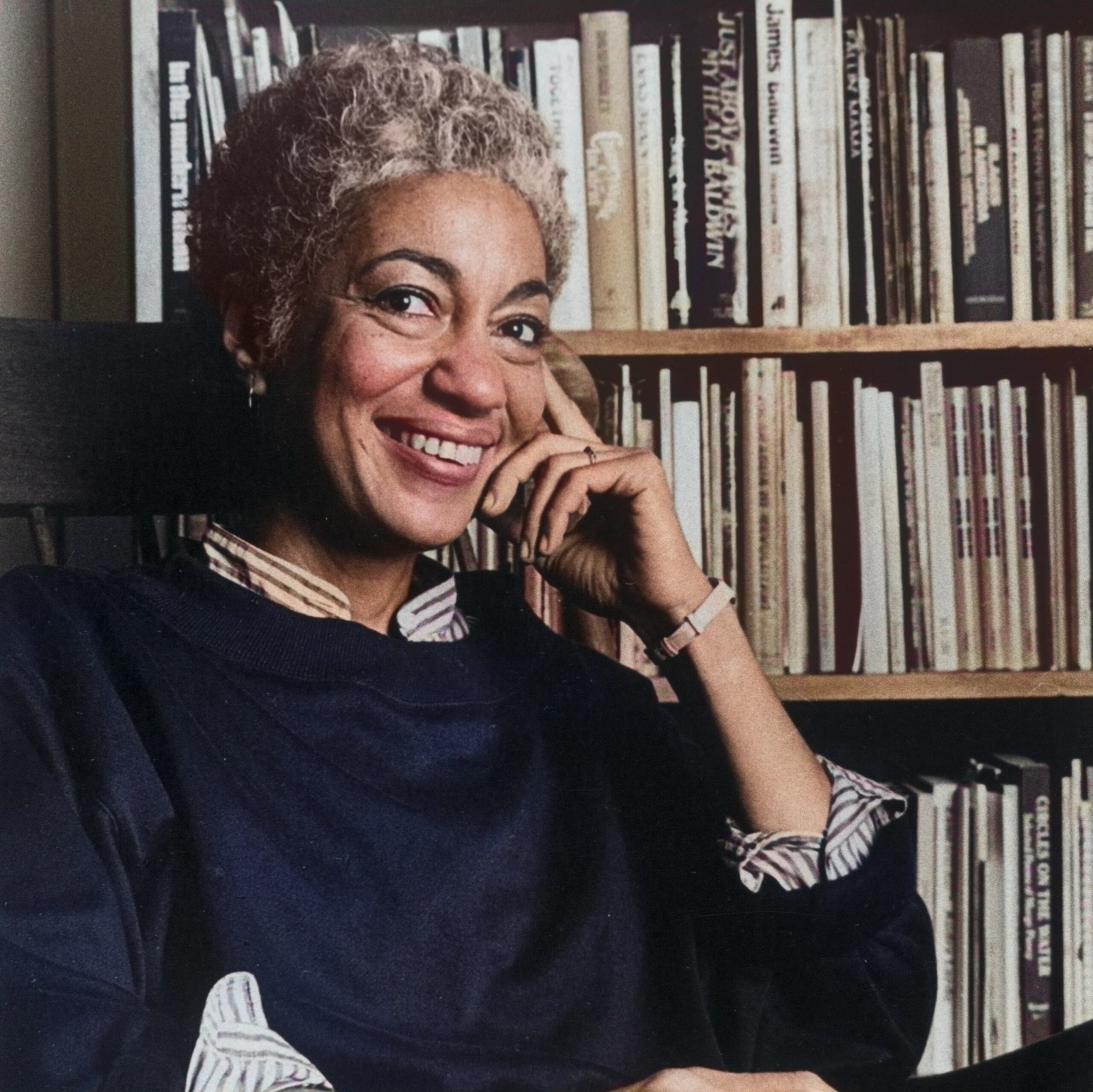
| 22 Quotes | |
| Born as | June Millicent Jordan |
| Occup. | Writer |
| From | USA |
| Born | July 9, 1936 Harlem, New York City, New York, USA |
| Died | June 14, 2002 Berkeley, California, USA |
| Cause | Breast cancer |
| Aged | 65 years |
| Cite | |
Citation Formats
APA Style (7th ed.)
June jordan biography, facts and quotes. (2026, February 11). FixQuotes. https://fixquotes.com/authors/june-jordan/
Chicago Style
"June Jordan biography, facts and quotes." FixQuotes. February 11, 2026. https://fixquotes.com/authors/june-jordan/.
MLA Style (9th ed.)
"June Jordan biography, facts and quotes." FixQuotes, 11 Feb. 2026, https://fixquotes.com/authors/june-jordan/. Accessed 12 Feb. 2026.
Early Life and Background
June Millicent Jordan was born on July 9, 1936, in Harlem, New York City, the only child of Jamaican immigrants. Her father, Granville Ivanhoe Jordan, worked for the U.S. Postal Service and carried the expectations of an Old World disciplinarian; her mother, Mildred Maud Jordan, nurtured her intellectual ambition. The household sat at the fault line of race, migration, and aspiration in mid-century America, where the promise of New York competed with the daily humiliations of segregation-by-custom, constrained housing, and the pressure to be "exceptional" just to be safe.From early on, Jordan experienced language as both refuge and battlefield. She read voraciously, wrote as a child, and registered - with an unusually sharp ear - how authority sounded: in classrooms, in churches, in the public diction of "proper" English. That sensitivity, formed amid Harlem's vitality and the wider nation's anti-Black climate, became the emotional engine of a life devoted to truth-telling, intimacy, and political clarity.
Education and Formative Influences
Jordan attended the prestigious Northfield Mount Hermon School in Massachusetts, an experience that sharpened her awareness of isolation and tokenism while expanding her access to literature and debate; she later studied at Barnard College before leaving without a degree. In these years she absorbed canonical English poetry even as she questioned who it was for, and she began to trust her own ear for vernacular speech, Caribbean inflection, and Black American cadence - the raw materials she would later elevate into a public art.Career, Major Works, and Turning Points
By the 1960s Jordan was writing into, and against, the era's upheavals: civil rights struggles, antiwar dissent, and the rise of Black Power and second-wave feminism. She published poetry, essays, and children's books, and became widely recognized after volumes such as Who Look at Me (with photographer Alice Springfield) and later collections including Some of Us Did Not Die, Passion, and Haruko/Love Poems; her nonfiction expanded her range, from the teaching-focused essay collection On Call to essays of witness and argument. A crucial turning point was her move from the page to the street and classroom: activism, public speaking, and teaching fused into a single vocation. She taught at several institutions, most lastingly at the University of California, Berkeley, where she founded "Poetry for the People", a program built on the radical premise that ordinary citizens could master poetic craft and use it to speak back to power.Philosophy, Style, and Themes
Jordan treated poetry as civic action rather than ornament. "Poetry is a political act because it involves telling the truth". For her, truth was not a posture but a practice that demanded attention to the lived facts of racism, misogyny, homophobia, state violence, and war - and also to love, parenting, erotic joy, and grief. She insisted that the personal was not merely personal: the self was a site where history landed, and where resistance had to begin, because the state could police bodies but could not finally own language that had been reclaimed.That reclamation required confronting the coercions embedded in "correct" speech. "Language is political. That's why you and me, my Brother and Sister, that's why we supposed to choke our natural self into the weird, lying, barbarous, unreal, white speech and writing habits that the schools lay down like holy law". Her style answered that coercion with precision and velocity: direct address, conversational lineation, declarative moral force, and an ear for the music of Black English and Caribbean-inflected rhythms. The psychological core was self-respect as survival and method: "I am a feminist, and what that means to me is much the same as the meaning of the fact that I am Black: it means that I must undertake to love myself and to respect myself as though my very life depends upon self-love and self-respect". In poem after poem, the voice refuses both silence and purity tests, striving instead for honest witness that could hold rage without surrendering tenderness.
Legacy and Influence
Jordan died on June 14, 2002, leaving a body of work that continues to shape American letters, feminist thought, and movement culture. She helped legitimize a poetry of direct political address without sacrificing lyric intelligence, and she modeled a pedagogy that treated art as a public resource rather than an elite possession. Her influence runs through spoken word and slam, through Black feminist and queer writing that insists on the authority of lived experience, and through classrooms where "Poetry for the People" remains a blueprint for democratic craft: rigorous, vernacular, and unafraid to name the world in order to change it.Our collection contains 22 quotes written by June, under the main topics: Truth - Justice - Friendship - Writing - Freedom.
Frequently Asked Questions
- June Jordan essay: June Jordan's essays, like those in 'Civil Wars,' discuss issues of race, gender, and social justice.
- June Jordan poems love: Her poetry often explored themes of love intertwined with social and political issues.
- June Jordan short poems: June Jordan's short poems often address themes of identity, race, and social justice.
- June Jordan poems book: Her poetry collection 'Directed by Desire: The Collected Poems of June Jordan' is widely acclaimed.
- June Jordan famous Poems: Some of her famous poems include 'Poem about My Rights' and 'A Poem About Intelligence for My Brothers and Sisters.'
- June Jordan poems: June Jordan was known for her powerful and socially-charged poetry.
- How old was June Jordan? She became 65 years old
June Jordan Famous Works
- 2005 Directed by Desire: The Collected Poems of June Jordan (Poetry Collection)
- 2002 Some of Us Did Not Die (Essay Collection)
- 2000 Soldier: A Poet's Childhood (Autobiography)
- 1989 Naming Our Destiny (Essay Collection)
- 1971 His Own Where (Novel)
Source / external links