
Kate Millett Biography Quotes 31 Report mistakes
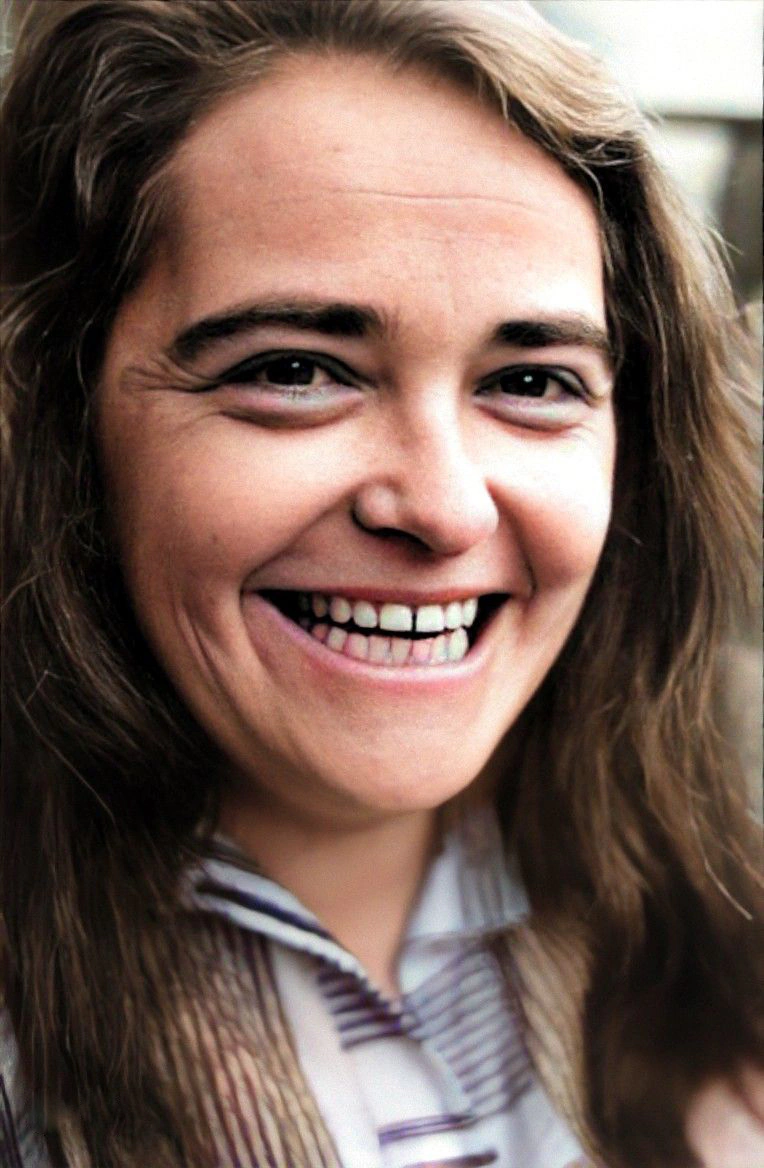
| 31 Quotes | |
| Born as | Katherine Murray Millett |
| Occup. | Activist |
| From | USA |
| Spouse | Fumio Yoshimura (1965–1985) |
| Born | September 14, 1934 St. Paul, Minnesota |
| Died | September 6, 2017 Paris, France |
| Cause | Cardiac arrest |
| Aged | 82 years |
| Cite | |
Citation Formats
APA Style (7th ed.)
Kate millett biography, facts and quotes. (2026, February 11). FixQuotes. https://fixquotes.com/authors/kate-millett/
Chicago Style
"Kate Millett biography, facts and quotes." FixQuotes. February 11, 2026. https://fixquotes.com/authors/kate-millett/.
MLA Style (9th ed.)
"Kate Millett biography, facts and quotes." FixQuotes, 11 Feb. 2026, https://fixquotes.com/authors/kate-millett/. Accessed 12 Feb. 2026.
Early Life and Background
Katherine Murray Millett was born on September 14, 1934, in St. Paul, Minnesota, into a Catholic, Irish American household shaped by the Great Depression and by a father whose instability and eventual absence left lasting marks. Her father, James Albert Millett, an engineer, struggled with alcoholism and left the family; her mother, Helen Feely Millett, held the household together and pressed her daughters toward accomplishment. In Millett's later accounts, the private drama of family authority and vulnerability became an early tutorial in how power can feel intimate, arbitrary, and gendered.Growing up with sisters in a culture of mid-century respectability, she learned how femininity was policed by everyday expectations and by the church's moral language. The postwar United States offered women a narrow script - domesticity presented as destiny, sexual ignorance framed as virtue - while the Cold War rewarded conformity and punished dissent. That tension between the life assigned and the life imagined would harden into her central question: who benefits when women are trained to call obedience "normal"?
Education and Formative Influences
Millett studied English literature at the University of Minnesota, then traveled on scholarship to St Hilda's College, Oxford, where the shock of British class codes and an old-boy academic culture sharpened her sense that patriarchy was institutional, not merely personal. Back in New York City, she earned an MFA in sculpture at Columbia University, moving between art studios and political argument as the civil rights movement, antiwar organizing, and emergent second-wave feminism remade the city's intellectual weather. The mix of literary training and visual discipline mattered: she would write like a critic attentive to form, while thinking like an artist who understood space, bodies, and the politics of display.Career, Major Works, and Turning Points
By the late 1960s Millett was teaching and making art while becoming visible in feminist circles, and in 1970 she detonated a new public vocabulary with "Sexual Politics", a book that treated patriarchy as a political system rather than a private misfortune, reading authors like D H Lawrence, Henry Miller, and Norman Mailer as symptoms of a culture that eroticized domination. The book's success brought celebrity and backlash in equal measure, and her openness about bisexuality and her refusal to soften her claims made her a target even within movements that wanted palatable spokespeople. In the 1970s and 1980s she expanded into memoir and testimony - including "Flying" and later "The Loony-Bin Trip" - and invested herself in activist art-making, most notably on her upstate New York farm, a women's space that fused community, labor, and the daily practice of liberation. Her later years were marked by periodic psychiatric hospitalization, public critique of coercive treatment, and continued advocacy until her death on September 6, 2017.Philosophy, Style, and Themes
Millett's core insight was that sex is not merely personal behavior but a political arrangement, taught through culture until it feels like nature. She wrote with the bracing certainty of someone mapping a system that had long hidden in plain sight, insisting that women's subordination was reproduced through art, education, marriage, and law. That is why she could speak in collective terms without slipping into abstraction: "We are women. We are a subject people who have inherited an alien culture". The sentence is both diagnosis and confession - a portrait of an inner split in which women are asked to live inside meanings authored against them, then blamed for not feeling at home.Her feminism also refused to segregate oppressions for the sake of respectability, linking gender hierarchy to sexual regulation and to the state's control over bodies. "A sexual revolution begins with the emancipation of women, who are the chief victims of patriarchy, and also with the ending of homosexual oppression". That line reveals her psychological consistency: she distrusted any liberation that required scapegoats or silence, because she had watched how quickly a movement can mimic the exclusions it claims to resist. Just as crucial was her suspicion of institutions that convert dissent into pathology, a theme sharpened by her experiences of involuntary treatment. "The involuntary character of psychiatric treatment is at odds with the spirit and ethics of medicine itself". In her work, psychiatric power rhymed with marital and cultural power - a mechanism for enforcing "normality" by redefining rebellion as illness.
Legacy and Influence
Millett helped make "patriarchy" a mainstream analytic term and legitimized the idea that novels, films, and sexual mythologies are political evidence, not decorative entertainment. "Sexual Politics" became a cornerstone of feminist literary criticism and gender studies, while her later writings on psychiatric coercion anticipated contemporary debates about consent, disability rights, and carceral medicine. Admired and contested in equal measure, she remains influential precisely because she kept the argument tied to lived experience - the interior cost of enforced roles, the public machinery that enforces them, and the hard, unfinished work of imagining relations beyond domination.Our collection contains 31 quotes written by Kate, under the main topics: Ethics & Morality - Art - Justice - Equality - Health.
Source / external links