
Kenny Cunningham Biography Quotes 10 Report mistakes
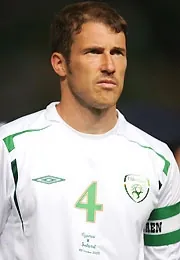
| 10 Quotes | |
| Occup. | Athlete |
| From | Ireland |
| Born | June 28, 1971 |
| Age | 54 years |
Kenneth Edward Cunningham was born in 1971 in Dublin, Ireland, and grew up in a city where football animated local parks and schoolyards. From an early age he showed a calm temperament and tidy technique, traits that would become the signature of his profession. Spotted by English scouts while still a teenager, he took the well-trodden path of Irish players moving to Britain, trading the comfort of home for the competitive environment of the English league system. Those who worked with him early on often remarked on his composure, his willingness to learn, and an uncommon maturity for a young defender.
Millwall: Establishing a Professional Footing
Cunningham began his senior career with Millwall, making the transition from promising prospect to reliable first-team defender. At The Den he learned the nuances of organizing a back line: timing in the tackle, positioning, and communication. The club's demanding supporters appreciated his consistency, and so did his managers, who trusted him across multiple seasons. These years hardened him for top-flight football and drew attention from Premier League recruiters who valued defenders who could read the game as much as win duels.
Wimbledon: Premier League Stalwart
His move to Wimbledon in 1994 placed him at the heart of one of the Premier League's most distinctive teams. Under manager Joe Kinnear, and later with coaches such as Egil Olsen and Terry Burton, Cunningham became a cornerstone of a side celebrated for resilience and togetherness. While the "Crazy Gang" identity was rooted in an earlier era, the spirit lingered: a tight-knit dressing room featuring players like Robbie Earle, Marcus Gayle, and later John Hartson fostered an unpretentious, hard-working culture. Cunningham thrived amid those demands, bringing clarity to the defensive line and a steadying influence during seasons when Wimbledon punched above their weight in the top division.
Birmingham City: Leadership in the Premier League
In 2002 he joined Birmingham City, newly promoted under manager Steve Bruce. Cunningham's arrival coincided with the club's push to consolidate its Premier League status. Playing alongside figures such as Matthew Upson and Robbie Savage, and sharing a dressing room that also featured the charismatic Christophe Dugarry and, later, Emile Heskey, he offered organization and experience. His ability to marshal the defense, make the right interception, and keep standards high was central to Birmingham's survival efforts. Teammates and coaches alike valued his voice on the training ground and his habit of doing the simple things to a very high level.
Sunderland and the Final Playing Chapter
Cunningham moved to Sunderland in 2006 at a time of transition, with Niall Quinn assuming a leadership role at the club and Roy Keane soon taking charge as manager. Sunderland surged to promotion from the Championship that season, and even as injuries limited Cunningham's impact, his professionalism and example were cited within a youthful squad learning how to win consistently. He closed his club career after that campaign, stepping away from playing with a reputation for dependability and quiet authority.
Republic of Ireland: International Career and Captaincy
For the Republic of Ireland, Cunningham emerged in the mid-1990s and earned over seventy caps, a testament to the trust successive managers placed in him. Under Mick McCarthy he played through a period of renewal that culminated in qualification for the 2002 FIFA World Cup. The build-up to that tournament is remembered for the dramatic split between Roy Keane and McCarthy, but once in Japan and South Korea, Ireland's squad, guided on the field by senior figures like Steve Staunton and anchored by Shay Given in goal, remained impressively focused. Cunningham's blend of calm defending and clear communication suited the pressure of tournament football.
After McCarthy's departure, Brian Kerr took charge of the national team and made Cunningham captain. In that role he partnered with defenders such as Richard Dunne and Gary Breen, organizing a back line that also drew on the energy of full-backs and the work rate of midfielders like Kevin Kilbane. Up front, the presence of Robbie Keane and, earlier, Niall Quinn provided Ireland with goals and an outlet under pressure. Cunningham's captaincy was marked by diligence rather than drama: he set standards in training, managed in-game details, and represented the squad's interests with a level head. He retired from international duty in the mid-2000s having served as a dependable leader through qualifying campaigns that demanded stability.
Style of Play and Professional Traits
Cunningham was the archetype of the intelligent defender. He excelled in reading situations early, stepping in to intercept rather than diving into reckless challenges. A natural organizer, he kept lines compact, shifted teammates into better positions, and simplified the game with crisp passing into midfield. Managers appreciated his reliability; teammates appreciated that he made others' jobs easier. He was not flashy, yet his durability and decision-making turned tight matches in his teams' favor.
Life After Playing
Following retirement, Cunningham remained close to the sport. He moved into punditry and analysis with Irish and British broadcasters, offering measured insight grounded in first-hand experience of Premier League and international football. He also devoted time to coaching education and youth development initiatives, sharing defensive principles and leadership lessons with the next generation. In these roles, he continued to work alongside figures he knew from his playing days and maintained ties with the communities that had supported him, particularly in Dublin.
Legacy
Kenny Cunningham's career is remembered for its substance: a Dublin-born defender who carved out a long presence in the Premier League, captained his country, and navigated eras of change at club and international level. The managers around him, Joe Kinnear, Mick McCarthy, Brian Kerr, Steve Bruce, and Roy Keane, trusted him because he delivered consistency and clarity. The teammates around him, Shay Given, Steve Staunton, Richard Dunne, Robbie Keane, Matthew Upson, and others, valued him as a partner who steadied games when tension mounted. His legacy is not a single headline moment but a body of work that exemplifies professionalism, leadership, and the enduring value of doing the fundamentals exceptionally well.
Our collection contains 10 quotes who is written by Kenny, under the main topics: Sports - Letting Go - Work - Confidence - Career.
Source / external links