
Kin Hubbard Biography Quotes 53 Report mistakes
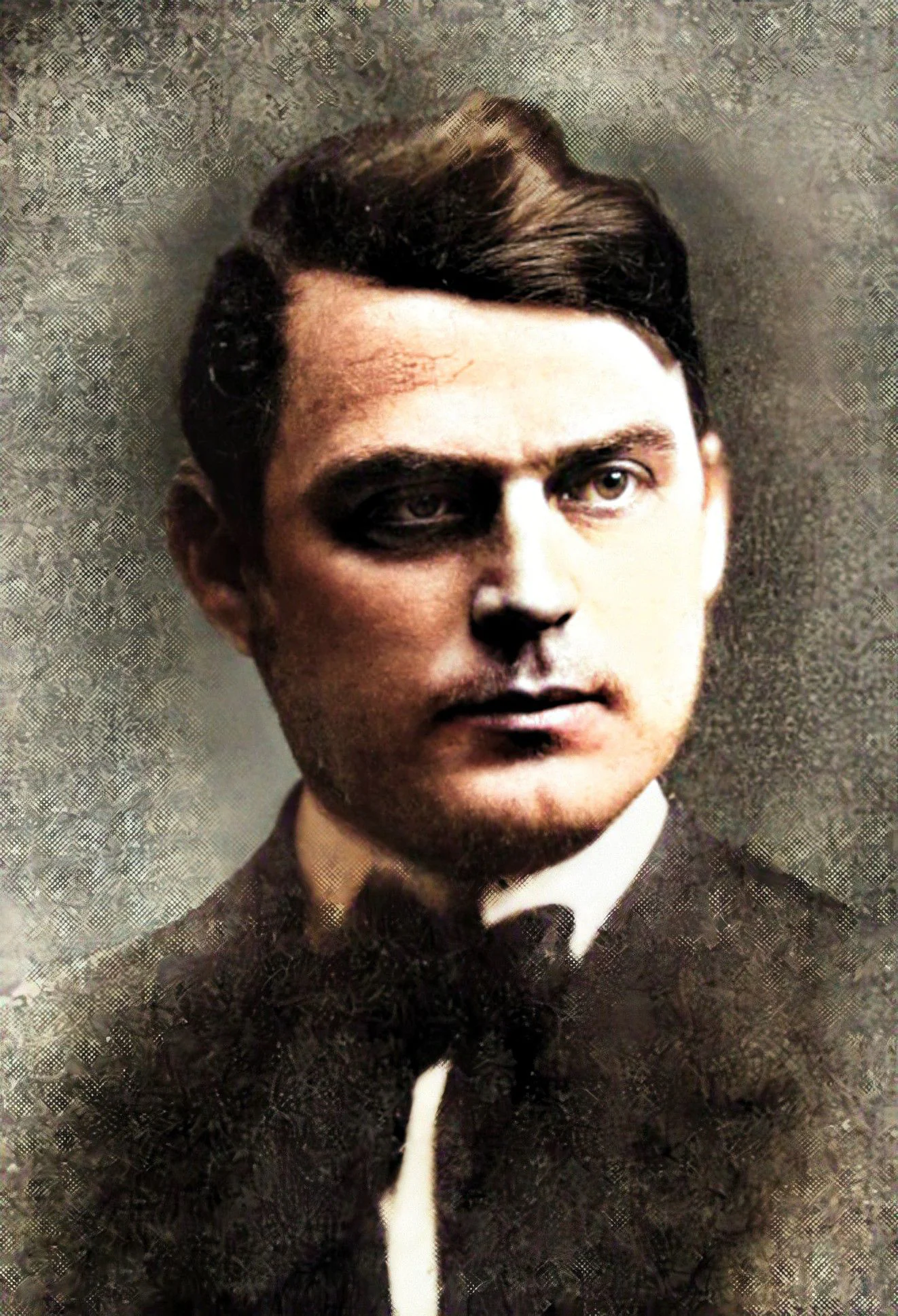
| 53 Quotes | |
| Born as | Frank McKinney Hubbard |
| Occup. | Journalist |
| From | USA |
| Spouse | Mabel Hubbard |
| Born | September 1, 1868 Indiana, USA |
| Died | December 26, 1930 Columbus, Ohio, USA |
| Cause | Heart Attack |
| Aged | 62 years |
| Cite | |
Citation Formats
APA Style (7th ed.)
Kin hubbard biography, facts and quotes. (2026, February 2). FixQuotes. https://fixquotes.com/authors/kin-hubbard/
Chicago Style
"Kin Hubbard biography, facts and quotes." FixQuotes. February 2, 2026. https://fixquotes.com/authors/kin-hubbard/.
MLA Style (9th ed.)
"Kin Hubbard biography, facts and quotes." FixQuotes, 2 Feb. 2026, https://fixquotes.com/authors/kin-hubbard/. Accessed 27 Mar. 2026.
Early Life and Background
Frank McKinney Hubbard was born on September 1, 1868, in Bellefontaine, Ohio, a railroad-and-courthouse town shaped by the post-Civil War Midwest: small enough for everyone to be known, busy enough for ambition to feel plausible. His father, also named Kin Hubbard, ran a newspaper, and the younger Hubbard grew up around type, deadlines, and the local ecosystem of politics, merchants, preachers, and boosters. That early proximity to public talk and private motives became his lifelong subject, rendered not as sermon but as grin.Childhood and adolescence coincided with the Gilded Age's hard shine - rising cities, widening inequality, and a culture that prized hustle while fearing loss of face. Hubbard learned, early, how status could be worn like a new suit and how quickly it could fray. The experience left him skeptical of grand statements and fond of the short, sideways line that exposes the bargain behind a principle.
Education and Formative Influences
He attended local schools in Bellefontaine but did not follow a long formal academic route; his education was essentially a newsroom apprenticeship in an era when print was the main civic stage. Typesetting, headline writing, and the constant need to capture character in a few words trained his compression. He absorbed the rhythms of small-town speech, the cadences of political persuasion, and the deadpan logic of rural storytelling, while also watching the national press professionalize and grow more illustrated - conditions that later made his hybrid of aphorism and cartoon feel inevitable.Career, Major Works, and Turning Points
Hubbard worked as a reporter and illustrator in Ohio before settling into the Indiana press, where his career matured at the Indianapolis News. There he created the daily cartoon-and-quip feature "Abe Martin", set in the fictional town of Brown County, Indiana, and quickly made it a national staple through syndication. The strip's turning point was its discovery of an enduring form: not plot-driven humor but a steady stream of observations delivered with homespun authority, as if wisdom had wandered in from the feed store. Collections of "Abe Martin" sayings circulated widely, and Hubbard became one of the defining American newspaper humorists of the early 20th century, shaping the sound of Midwestern common sense in a modern mass medium until his death on December 26, 1930, in Indianapolis.Philosophy, Style, and Themes
Hubbard's philosophy was less a doctrine than a practiced alertness to self-deception. He wrote as if the primary human activity were rationalizing desire, and his humor works by snapping the elastic band between what people claim and what they want. “When a fellow says, 'It ain't the money but the principle of the thing, ' it's the money”. The line is funny because it is specific - not about greed in general, but about the social performance of virtue - and it reveals Hubbard's steady interest in the moral masks ordinary people wear to protect pride.His style is spare, vernacular, and engineered for quick recognition: a few words, a turn, a sting, and then silence. He distrusted both sentimentality and the pretense of permanent conversion, and he treated social rituals as temporary weather. “Next to a circus there ain't nothing that packs up and tears out faster than the Christmas spirit”. That cynicism is not cruelty so much as a refusal to lie about how fleeting communal feeling can be under economic pressure and personal grievance. Underneath, Hubbard implied an ethic of modest expectations and wary self-knowledge, warning that error often comes disguised as certainty: “It's what a fellow thinks he knows that hurts him”. In an age of booming advertising and confident reform programs, he offered the counter-music of doubt.
Legacy and Influence
Hubbard left behind a model of American humor that fused cartooning, aphorism, and sociological observation into a daily habit for millions of readers. "Abe Martin" helped define the voice later claimed by columnists, radio comics, and screenwriters who aimed to sound plainspoken while remaining sharp, and it preserved a record of Midwestern speech and outlook during the transition from horse-and-buggy life to the modern consumer republic. His best lines endure because they do not flatter the audience; they invite readers to recognize themselves - their bargains, their vanities, their brief enthusiasms - and to laugh without pretending the laugh solves anything.Our collection contains 53 quotes written by Kin, under the main topics: Witty One-Liners - Wisdom - Puns & Wordplay - Sarcastic - Honesty & Integrity.
Kin Hubbard Famous Works
- 1934 Abe Martin's Barbed Wire (Book)
- 1926 Abe Martin's Primer (Book)
- 1925 Abe Martin's Wise Cracks (Book)
- 1923 Abe Martin's Broadcast (Book)
- 1906 Abe Martin's Almanack (Book)
Source / external links