
Laura Miller Biography Quotes 16 Report mistakes
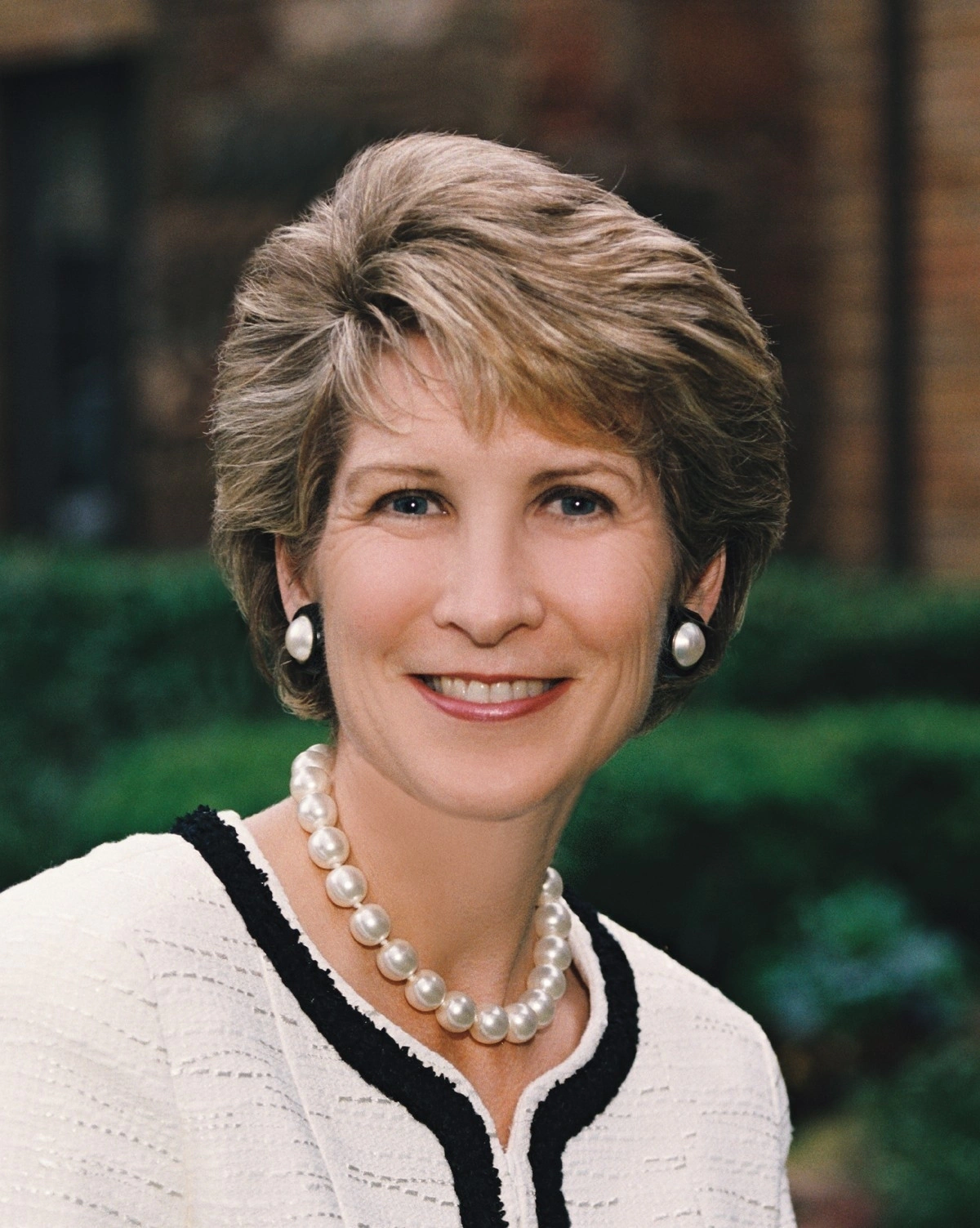
| 16 Quotes | |
| Occup. | Politician |
| From | USA |
| Born | November 18, 1958 Baltimore, Maryland |
| Age | 67 years |
| Cite | |
Citation Formats
APA Style (7th ed.)
Laura miller biography, facts and quotes. (2026, February 11). FixQuotes. https://fixquotes.com/authors/laura-miller/
Chicago Style
"Laura Miller biography, facts and quotes." FixQuotes. February 11, 2026. https://fixquotes.com/authors/laura-miller/.
MLA Style (9th ed.)
"Laura Miller biography, facts and quotes." FixQuotes, 11 Feb. 2026, https://fixquotes.com/authors/laura-miller/. Accessed 6 Mar. 2026.
Early Life and Background
Laura Miller was born on November 18, 1958, in the United States and came of age as Texas cities were being reshaped by late-20th-century growth - booming development alongside deepening debates over public trust, neighborhood identity, and the basic bargain between taxes paid and services delivered. Those pressures, particularly visible in Dallas, formed the civic atmosphere that would later define her political persona: a reformer oriented less toward ideology than toward measurable performance and the ethics of stewardship.Long before she became a headline figure at City Hall, Miller cultivated a temperament suited to urban politics in a fast-moving Sun Belt metropolis - impatient with procedural fog, alert to the way insider networks can harden into habit, and unusually attuned to the moral language of budgeting. In a city where expansion could mask mismanagement, she framed civic life as a household obligation scaled up: public money as something earned by families and owed back to them in safety, streets, and honest administration.
Education and Formative Influences
Specific details of Miller's schooling and early professional training are not reliably established in the public record available here, but her formative influences are legible in the kind of politics she practiced: the post-Watergate expectation that government must be auditable, the 1980s-1990s emphasis on managerial competence in city services, and the late-1990s reform mood that treated transparency as a prerequisite for growth. She absorbed the era's skepticism toward closed-door governance and translated it into a local crusade for rules, enforcement, and culture change rather than symbolic rhetoric.Career, Major Works, and Turning Points
Miller built her public career in Dallas municipal politics, ultimately serving as mayor, where her major "works" were institutional rather than literary: ethics policy, oversight mechanisms, and a sustained push to redirect City Hall toward neighborhood basics and taxpayer accountability. A central turning point in her tenure was the decision to make ethics and spending practices a first-order agenda item rather than a background concern - forcing confrontations with entrenched interests, widening the meaning of "reform" from individual scandal to systemic incentives, and turning municipal procedure into a public argument about who government is for.Philosophy, Style, and Themes
Miller's governing philosophy fused civic optimism with prosecutorial scrutiny. She spoke about Dallas as a place where momentum was a moral asset - “Dallas is a positive, get-it done city”. That confidence was not boosterism for its own sake; it was a standard she used to shame dysfunction. If the city could build, attract, and innovate, then it could also keep clean books, enforce its own rules, and deliver basics without excuses.Her signature theme was stewardship: public money as intimate, not abstract. She narrated budgeting in domestic terms to collapse the distance between taxpayer and institution: “The city has to do what any citizen or family does, when you have a dream. You tighten your belt. You sacrifice some luxuries. Above all, you don't waste a dime”. Psychologically, this rhetoric reveals a leader who treated waste as both fiscal error and ethical insult - a violation of reciprocity between residents and the state. It also shows her style: direct, concrete, and deliberately populist, positioning the public as the injured party and reform as restoration. That same instinct animated her relentless focus on corruption and conflicts of interest as practical barriers to civic greatness, not just legal problems: “In the year since we brought things into the open with a clean breath of fresh air at City Hall, we have learned about corrupt spending practices and unethical conflicts of interest that waste your money... and keep Dallas from being the great city of our dreams”. The dream city, in her telling, was not primarily a skyline - it was a trust relationship.
Legacy and Influence
Miller's enduring influence rests in how she helped normalize ethics reform and fiscal accountability as central measures of municipal success in Dallas, shaping expectations for transparency, oversight, and the public language of budgeting. By treating ethics codes, commissions, and open governance as everyday infrastructure - as essential as streets and sanitation - she contributed to a broader American city-hall trajectory in the early 21st century: reform not as a single purge, but as institutional design aimed at preventing backsliding. Her legacy is therefore less a single project than a durable civic argument - that the legitimacy of growth depends on who benefits, who pays, and whether City Hall can prove it is looking outward rather than inward.Our collection contains 16 quotes written by Laura, under the main topics: Ethics & Morality - Justice - Leadership - Honesty & Integrity - Servant Leadership.
Source / external links