
Laurence J. Peter Biography Quotes 40 Report mistakes
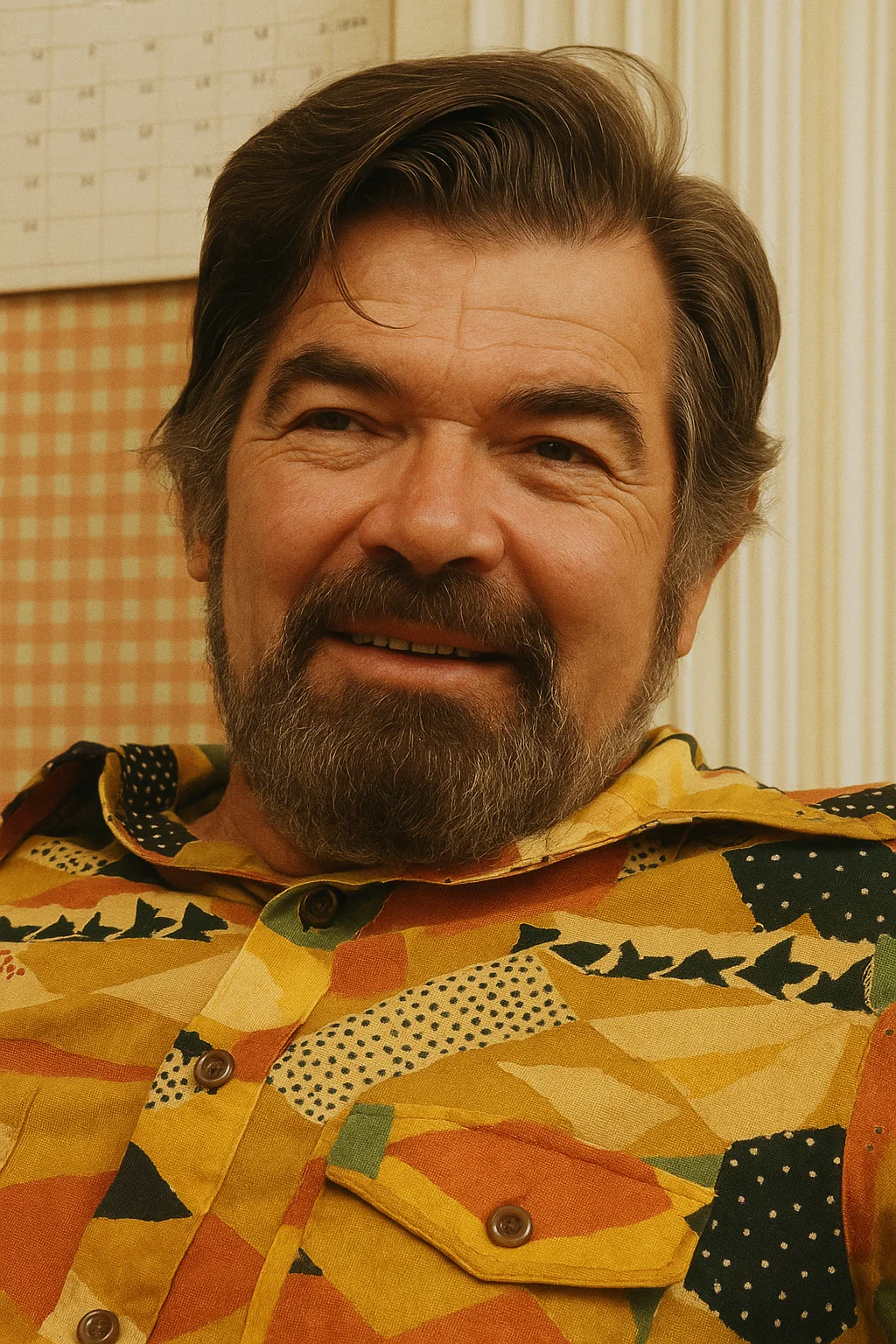
| 40 Quotes | |
| Born as | Laurence Johnston Peter |
| Occup. | Writer |
| From | Canada |
| Spouses | Nancy M. Peter Irene Peter |
| Born | September 16, 1919 Vancouver, British Columbia, Canada |
| Died | January 12, 1990 Palos Verdes Estates, California, USA |
| Aged | 70 years |
| Cite | |
Citation Formats
APA Style (7th ed.)
Laurence j. peter biography, facts and quotes. (2026, February 2). FixQuotes. https://fixquotes.com/authors/laurence-j-peter/
Chicago Style
"Laurence J. Peter biography, facts and quotes." FixQuotes. February 2, 2026. https://fixquotes.com/authors/laurence-j-peter/.
MLA Style (9th ed.)
"Laurence J. Peter biography, facts and quotes." FixQuotes, 2 Feb. 2026, https://fixquotes.com/authors/laurence-j-peter/. Accessed 5 Mar. 2026.
Early Life and Background
Laurence Johnston Peter was born on September 16, 1919, in Vancouver, British Columbia, into a Canada still shadowed by the First World War and headed toward the economic dislocations of the Depression. The city he grew up in was outward-looking and port-driven, but also socially stratified in ways a sharp observer could not miss. Peter developed early the habit that would define his public voice: treating institutions not as abstractions, but as everyday machines whose small frictions revealed their true design.That sensibility was more than mere skepticism. Friends and later readers recognized a temperament both humane and wary - someone drawn to the ordinary person caught in systems that pretended to be rational. He carried an immigrant-city pragmatism and a Pacific Coast plainspokenness into adulthood, and his comedy would always keep one foot planted in real workplaces, schools, and bureaucracies rather than in purely literary satire.
Education and Formative Influences
Peter trained as an educator and psychologist, earning degrees that culminated in a doctorate, and he spent formative years inside the very organizations he would later anatomize. Mid-20th-century North America prized expertise, credentials, and managerial method; Peter absorbed that language and then learned to hear its evasions. The postwar expansion of public schooling and corporate administration supplied him with both his laboratory and his cast of characters: competent teachers made to report to incompetent supervisors, committees replacing judgment, and promotion systems confusing loyalty with talent.Career, Major Works, and Turning Points
He worked in education and in training roles, including consulting in organizational and educational settings, before becoming internationally known as a writer and public speaker. The turning point came with The Peter Principle (1969), written with Raymond Hull, which named a pattern many experienced but could not quite articulate: in hierarchies, employees tend to rise to their level of incompetence. The book landed in an era of swelling corporations and technocratic government, when faith in rational administration was high but daily frustration with management was higher. Peter followed with further titles that extended his satirical sociology of modern life, including The Peter Prescription (1972) and a stream of essays, talks, and media appearances that made him a household name synonymous with deadpan organizational truth.Philosophy, Style, and Themes
Peter wrote as a clinician of systems using the tools of a humorist. His style is compact, proverb-like, and diagnostic: each line performs an autopsy on a comforting story people tell themselves about merit, progress, and professionalism. Under the jokes sits a moral stance - not cynicism for its own sake, but indignation on behalf of the capable person trapped under performative authority. When he quipped, “Expert: a man who makes three correct guesses consecutively”. he was not simply mocking specialists; he was pricking the prestige economy that turns uncertainty into credentials and then punishes dissent as ignorance. The laugh is a release, but also an instruction to distrust slogans that claim inevitability.His themes return obsessively to misdirection - the gap between stated purpose and real outcome. “If you don't know where you're going, you will probably end up somewhere else”. reads like a bumper-sticker, yet it is also his theory of institutional drift: organizations confuse motion with direction, metrics with meaning, promotion with competence. Even his remarks about education bite from within: “Education is a method whereby one acquires a higher grade of prejudices”. This is the voice of an educator who has seen schooling elevate conformity into virtue, mistaking polished bias for critical thought. Psychologically, Peter appears less like a misanthrope than a disappointed idealist - someone who believed people could do better if they stopped rewarding the wrong behaviors.
Legacy and Influence
Peter died on January 12, 1990, but the phrase "the Peter Principle" remains a durable shorthand in management, sociology, and everyday complaint, invoked in boardrooms and break rooms alike. His lasting influence lies in giving the public a language for a common injury: being judged by systems that cannot recognize competence, only its theater. In an age of ever-thickening bureaucracy, performance indicators, and credentialism, Peter endures because he made institutional failure legible, funny, and slightly shameful - a combination that still invites readers to examine not only their bosses, but also their own complicity in the rituals of hierarchy.Our collection contains 40 quotes written by Laurence, under the main topics: Witty One-Liners - Motivational - Wisdom - Friendship - Sarcastic.
Laurence J. Peter Famous Works
- 1969 The Peter Principle: Why Things Always Go Wrong (Book)
Source / external links