Lee Iacocca Biography Quotes 32 Report mistakes
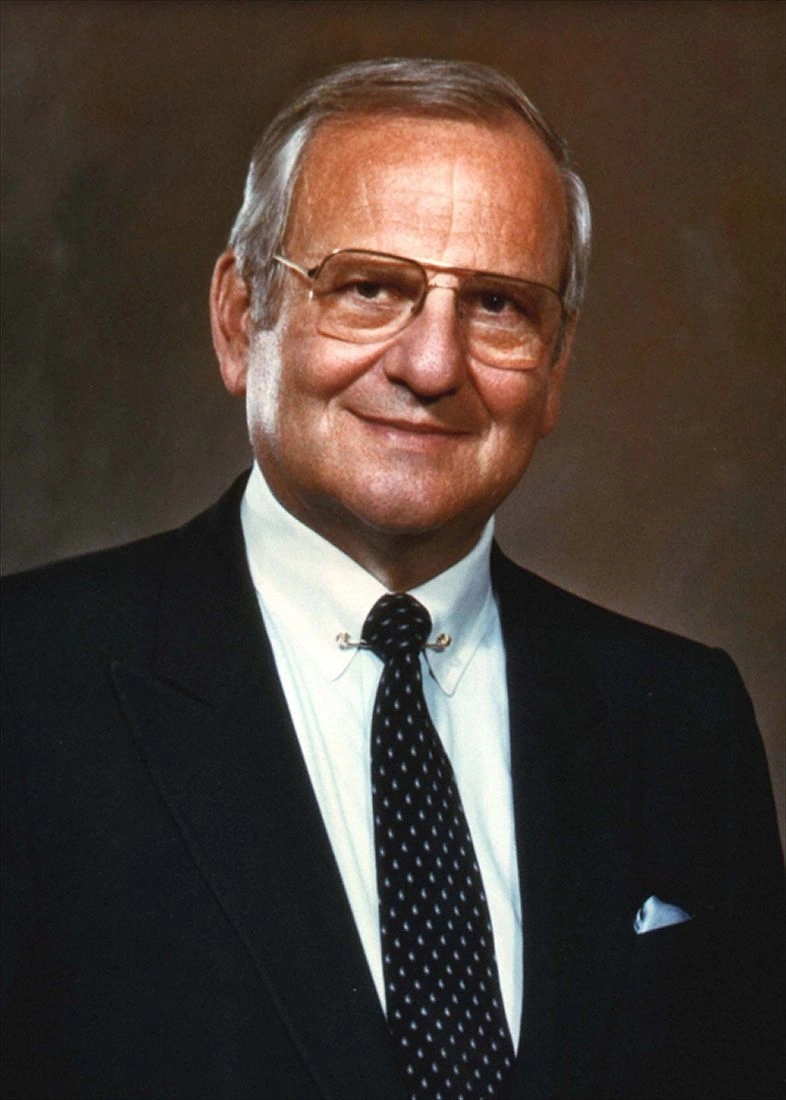
| 32 Quotes | |
| Born as | Lido Anthony Iacocca |
| Occup. | Businessman |
| From | USA |
| Born | October 15, 1924 Allentown, Pennsylvania, U.S. |
| Age | 101 years |
Lido Anthony Lee Iacocca was born on October 15, 1924, in Allentown, Pennsylvania, to Italian immigrant parents. Growing up in a tight-knit community during the Great Depression, he absorbed lessons about thrift, persistence, and the value of customer service from his father, who ran local businesses. A strong student, he graduated from Allentown High School and attended Lehigh University, where he studied industrial engineering and developed an early interest in the intersection of technology and markets. He then earned a graduate engineering degree at Princeton University on a prestigious fellowship, an experience that sharpened his analytical skills and introduced him to a broader network of mentors and peers. A youthful bout of illness kept him from military service during World War II, but it also focused his energies on contributing to peacetime industry.
Joining Ford and Early Rise
Iacocca joined the Ford Motor Company in 1946 as an engineer, quickly realizing that his talents lay more in understanding customers than in drafting blueprints. He moved into sales and marketing, where his intuition for consumer psychology and financing innovation set him apart. In 1956, he devised the now-famous "56 for 56" plan, which offered low monthly payments on 1956 Fords and boosted showroom traffic across the country. By the early 1960s, he had risen to general manager of the Ford Division and then to vice president, working alongside figures such as Robert McNamara (briefly Ford's president before entering government) and reporting up to Henry Ford II, whose personal and executive style would shape Iacocca's own leadership approach in complex ways.
The Mustang and Product Leadership
Iacocca's name became inseparable from the Ford Mustang, introduced in 1964. He championed a car that would be affordable, stylish, and highly customizable, appealing to a rising generation of buyers. Working closely with product leaders like Donald Frey and designers and planners around him, including Hal Sperlich, he pushed the program forward under tight deadlines and a strict cost target. The Mustang's launch was a watershed, generating unprecedented publicity and sales. At the same time, Iacocca backed other important products, such as the Lincoln Continental Mark III and the Mercury Cougar, and he emphasized disciplined market segmentation. He also presided over the development of the Ford Pinto, a subcompact aimed at international competition, reflecting his belief that responsiveness to market trends was essential for survival, even as the industry later debated aspects of that car's safety record.
President of Ford and Departure
In 1970, Iacocca was named president of Ford Motor Company. His tenure saw continued attention to product cycles, cost control, and dealer relations. Yet his relationship with Henry Ford II, though productive at times, grew increasingly strained over strategy, autonomy, and personality. Despite strong operating results in several years, the conflict culminated in Iacocca's dismissal in 1978. The firing was one of the most talked-about corporate ousters of its era, and it instantly transformed Iacocca from a well-known industry figure into a national business personality. The episode also set the stage for one of the most consequential comebacks in American corporate history.
Chrysler Turnaround
Iacocca joined Chrysler Corporation in 1978 at a moment of crisis. The company was strapped for cash, burdened by outdated products, and exposed to energy shocks. He recruited former colleagues, notably Hal Sperlich, and embarked on a comprehensive rescue: negotiating with banks, suppliers, and dealers; cutting costs and closing facilities; and seeking concessions from labor. United Auto Workers leader Doug Fraser cooperated in ways that were unusual for the era, even taking a seat on Chrysler's board as part of the recovery plan. Iacocca appeared before Congress to advocate for federal loan guarantees, ultimately securing support that allowed Chrysler to restructure its debt and invest in new products. He later worked with the Carter administration and subsequent officials to ensure the program's success.
The recovery hinged on product and marketing. Iacocca accelerated the front-wheel-drive K-cars, notably the Dodge Aries and Plymouth Reliant, which delivered efficiency and affordability. He and Sperlich also championed the minivan concept, long resisted elsewhere: the Dodge Caravan and Plymouth Voyager, launched in the mid-1980s, effectively created a new market segment and became runaway successes. Leaders such as Bob Lutz, Tom Gale, and Francois Castaing helped revitalize Chrysler's engineering and design culture, and the Jeep brand, later acquired through the purchase of American Motors in 1987, broadened the company's portfolio in sport-utility vehicles. Chrysler repaid its government-backed loans ahead of schedule in 1983, turning a symbol of distress into a case study in pragmatic leadership.
Advertising Persona and Public Image
Iacocca became a household name through his direct, plain-spoken television advertisements. Looking into the camera, he vouched for quality and value with lines like "If you can find a better car, buy it". The spots were more than marketing: they conveyed accountability and personal responsibility in an era of skepticism about corporate America. His public visibility extended to philanthropic leadership, notably chairing the fundraising effort to restore the Statue of Liberty and Ellis Island in the 1980s, after being asked to help spearhead the private campaign. The project galvanized corporate and individual donors and further cemented his profile as a civic-minded executive.
Books, Philanthropy, and Thought Leadership
In 1984, he published Iacocca: An Autobiography with writer William Novak, offering an accessible account of his life, his management views, and the Chrysler turnaround; it became a bestseller. He followed with Talking Straight in 1988, written with Sonny Kleinfield, and later with Where Have All the Leaders Gone? in 2007, written with Catherine Whitney, expressing concerns about leadership standards in business and public life. After the death of his first wife, Mary, from complications related to diabetes, he established the Iacocca Family Foundation to support diabetes research, a cause that remained central to his philanthropy. He also supported initiatives at his alma mater, Lehigh University, encouraging global, entrepreneurial education through programs that bore his name.
Later Career and Counsel
Iacocca retired as Chrysler's chairman in 1992, with Robert Eaton succeeding him. He remained a sought-after advisor and commentator on competitiveness, corporate governance, and trade. In the mid-1990s he briefly aligned with investor Kirk Kerkorian in a bid related to Chrysler, an episode that underscored his continued engagement with the company's future. Even in retirement, he spoke plainly about executive accountability and the need for consistent investment in engineering and manufacturing. His views were shaped by decades alongside colleagues and adversaries who tested his convictions in real markets and boardrooms.
Personal Life
Iacocca married three times. His first marriage, to Mary McCleary, brought him two daughters and a partnership that anchored his most intense professional years; her passing in 1983 deeply influenced his philanthropic focus. He later married Peggy Johnson and then Darrien Earle; both marriages ended in divorce. Known for a disciplined work ethic and for expecting the same from those around him, he balanced a demanding career with a private life that he largely kept out of the spotlight, aside from his advocacy for medical research and education.
Legacy and Death
Lee Iacocca's legacy rests on a rare combination of marketing acuity, manufacturing pragmatism, and an ability to rally disparate constituencies, from union leaders like Doug Fraser to designers like Tom Gale and financiers skeptical of industrial risk. He demonstrated that product vision, financial discipline, and forthright communication could rescue a failing enterprise without abandoning the workforce or the customer. He influenced generations of managers who studied the Mustang's launch, the minivan's category creation, and the choreography of the Chrysler turnaround.
Iacocca died on July 2, 2019, in Bel Air, Los Angeles, at the age of 94. Tributes from across industry and public life emphasized his resilience, his candor, and his insistence that leadership is ultimately measured by results. For many Americans, he personified the idea that a company's fate could be changed by ideas well executed, by teams empowered to build, and by a leader willing to take responsibility in public view.
Our collection contains 32 quotes who is written by Lee, under the main topics: Witty One-Liners - Motivational - Friendship - Love - Leadership.
Other people realated to Lee: Bill Lear (Inventor), Carroll Shelby (Designer), Leonard Woodcock (Activist), Coleman Young (Politician)
Lee Iacocca Famous Works
- 2007 Where Have All the Leaders Gone? (Book)
- 1988 Talking Straight (Book)
- 1984 Iacocca: An Autobiography (Book)
Source / external links